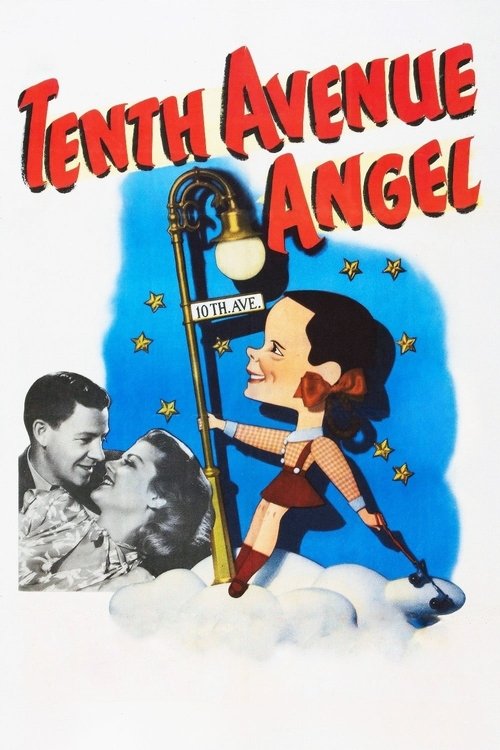
Tenth Avenue Angel
1948
No user ratings available yet
Representation score: 0.5 out of 10
No Poster Available
Representation Score
Minimal
1954
ApprovedDirector
William Beaudine
Runtime
44 minutes
Average Rating
No ratings yetNew Showbiz Analysis
City Story is a conventional mid-century drama that prioritizes institutional stability and religious authority. While the female protagonist offers a critique of social coldness, her input ultimately strengthens existing community structures rather than challenging them. The film lacks complexity in representing multiple aspects of identity and fails to provide real power to underrepresented groups. Instead, it follows a standard 1950s trajectory where social problems are solved through traditional leadership and moral cohesion. Ultimately, the narrative structure reinforces the status quo, focusing on the reform of established institutions rather than challenging systemic power dynamics.
Category Breakdown
The film does not include any characters with LGBTQ+ identities or non-cisgender identities. It adheres to traditional social structures typical of mid-century cinema.
June Kinney serves as the catalyst for the plot, but the ultimate resolution is driven by a male authority figure. This reinforces a hierarchy where a woman's actions prompt male-led institutional reform.
The narrative focuses on a localized church congregation with no mention of a diverse or non-Anglo-Saxon cast. It reflects the homogeneous social norms of 1954.
The story centers on reforming a traditional Western religious institution from within. It promotes community service through established moral frameworks rather than critiquing the institution itself.
There is no mention of characters with visible or invisible disabilities. The narrative does not address neurodivergence or mental health conditions.
Present on Screen
Limited or Absent
Official Synopsis
When teen-ager June Kinney is arrested, Warner Anderson, the pastor of a local church she once attended, has her released in his charge. She tells the pastor she doesn't come to church because the congregation is too cold and unfriendly. Realizing that she has spoken the truth, the pastor tries to inject new life into the church and brings up the idea of widened community services before the church board. There is opposition, at first because of the cost, but they vote to give the new plan a chance.
1948

1938

1947

1943
1951

1945
1950
1951
No reviews yet. Be the first to share your thoughts on this movie!
Use the rating form above to leave a star rating and optional review.