The Garden of Eden
1928
No user ratings available yet
Representation score: 2.1 out of 10
Representation Score
Minimal
2011
PG-13Director
Michel Hazanavicius
Runtime
100 minutes
Average Rating
No ratings yetNew Showbiz Analysis
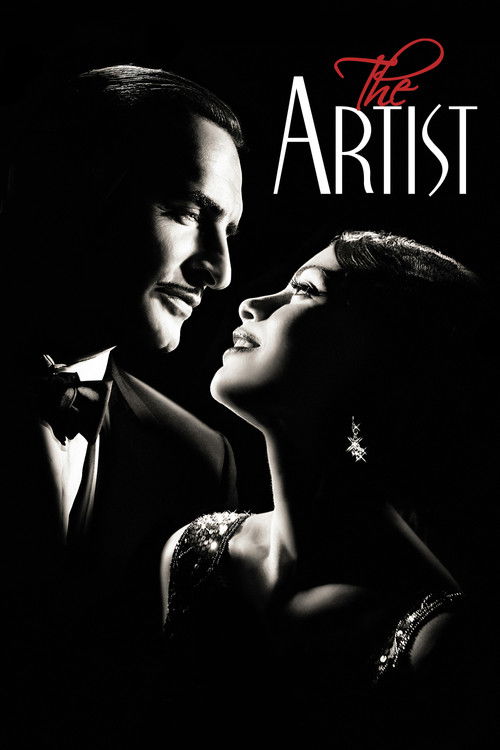
The Artist pays homage to the silent film era, emphasizing historical authenticity and aesthetic respect. Its dedication to period accuracy results in limited characters who reflect more than one aspect of diversity across various social categories. Despite a lack of racial and LGBTQ+ diversity, the film successfully challenges traditional gender power structures. Peppy Miller's professional journey undermines patriarchal norms by shifting power from the male lead to the female lead. Overall, the film's focus on the romanticized history of the film industry restricts its engagement with modern social identities or diverse cultural perspectives.
Category Breakdown
The film focuses on a traditional heterosexual relationship between the main characters. There is no indication of LGBTQ+ identities or queer themes in the story.
Peppy Miller's role shifts significantly, evolving from a supporting character to a powerful industry leader. Her rise to prominence overshadows the declining influence of the male lead.
The cast is largely uniform, reflecting the limited diversity of 1920s Hollywood. The film does not incorporate diverse ethnic backgrounds or use color-blind casting.
The film upholds a traditional view of success within the Hollywood studio system, celebrating its evolution through a classic narrative structure. It does not critique Western institutions or traditions.
The film does not feature characters with visible or invisible disabilities. Disability is not used as a central theme or narrative element.
Present on Screen
Limited or Absent
Official Synopsis
Hollywood, 1927: As silent movie star George Valentin wonders if the arrival of talking pictures will cause him to fade into oblivion, he sparks with Peppy Miller, a young dancer set for a big break.
1928
2000
2022
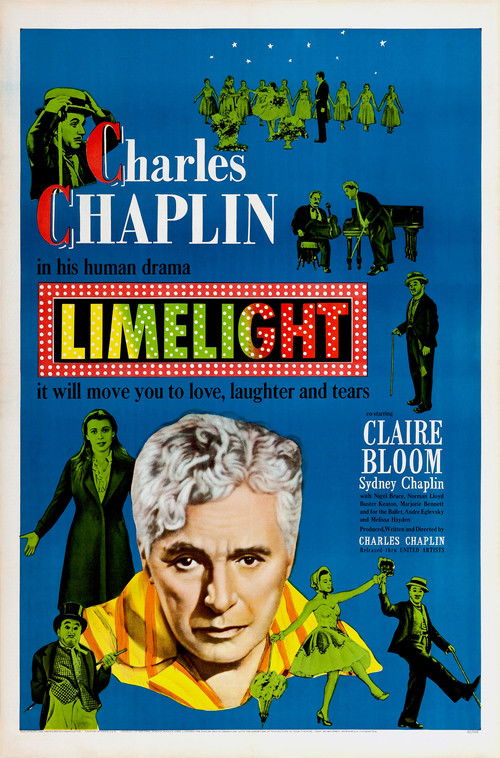
1952
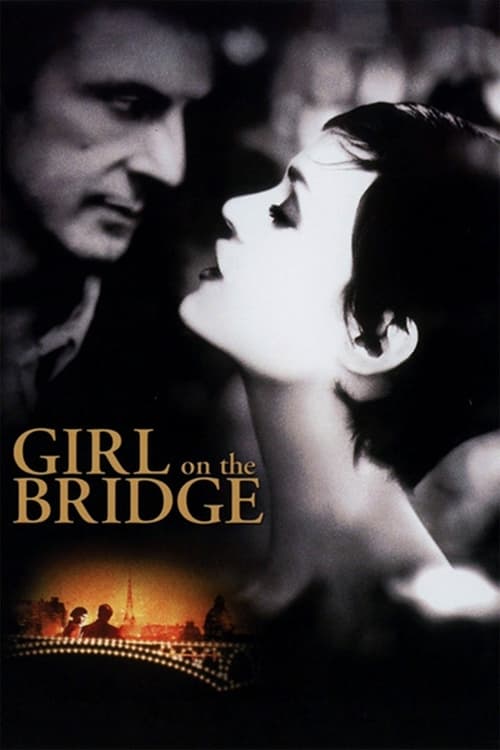
1999
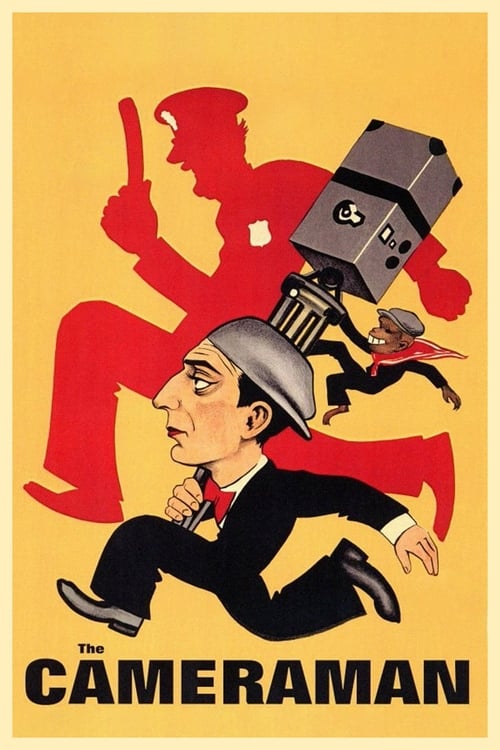
1928
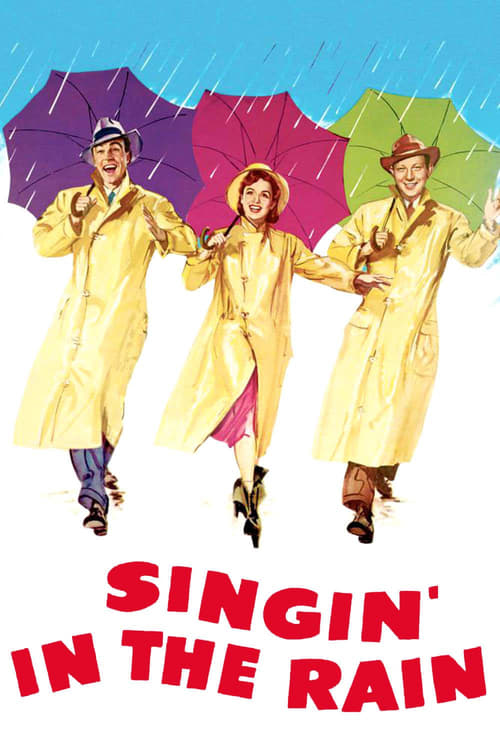
1952

1923
No reviews yet. Be the first to share your thoughts on this movie!
Use the rating form above to leave a star rating and optional review.