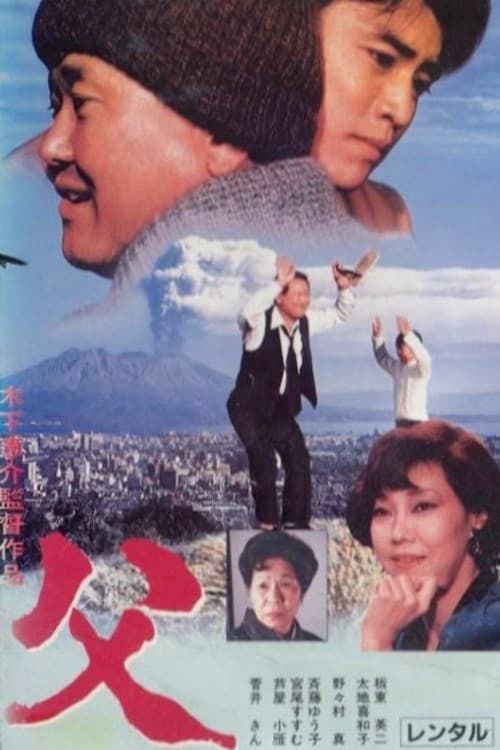
Father
1988
No user ratings available yet
Representation score: 6.7 out of 10

Representation Score
Good
1986
Director
Keisuke Kinoshita
Runtime
129 minutes
Average Rating
No ratings yetNew Showbiz Analysis
Keisuke Kinoshita’s drama excels as a character study by emphasizing female perspectives within a historical context. The film moves beyond stereotypes to delve into the internal lives and actions of women facing social constraints. However, the work is constrained by its historical setting, which results in a lack of LGBTQ+ representation and racial diversity. The narrative focuses on a culturally specific environment that prioritizes historical accuracy over broader representation. Ultimately, the film stands out for its nuanced exploration of gender and social dynamics, even though it falls short in terms of demographic breadth.
Category Breakdown
The film follows the historical setting's assumption that everyone is straight or cisgender. There are no visible non-binary gender identities or same-sex romantic narratives.
The narrative challenges traditional gender roles by focusing on the intellectual and emotional independence of young women. It explores the complexities of womanhood within strict social structures.
The cast reflects the homogeneous ethnic makeup of rural Edo-period Japan. This cultural specificity limits broader racial representation.
The film offers a realistic portrayal of family and community life rather than idealized traditions. It examines the struggles of individuals within established social hierarchies.
There is no prominent focus on visible or invisible disabilities. Characters operate within the typical physical and cognitive norms of the era's storytelling.
Present on Screen
Limited or Absent
Official Synopsis
A lighthouse keeper and his family follow work from town to town, each time making new friends and receiving a visit from his troublesome father.
1988

1960

1959
1961

1962
1946

1956

1951
No reviews yet. Be the first to share your thoughts on this movie!
Use the rating form above to leave a star rating and optional review.