Death Rides a Horse
1967
No user ratings available yet
Representation score: 0.6 out of 10
Representation Score
Fair
1968
Director
Mario Lanfranchi
Runtime
90 minutes
Average Rating
No ratings yetNew Showbiz Analysis
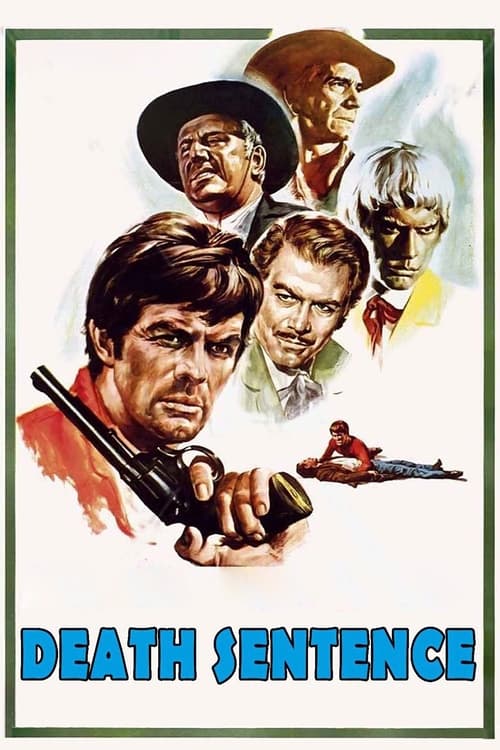
Death Sentence is a classic Spaghetti Western that emphasizes hyper-masculinity and traditional genre clichés. The plot is driven by a male-centric revenge cycle, leaving little room for diverse perspectives or women's ability to drive the story. While the film lacks meaningful representation for LGBTQ+ or female characters, it offers some depth through its moral ambiguity. By depicting a priest as a despotic antagonist, the film challenges institutional sanctity and explores situational ethics. Ultimately, the film focuses on vengeance and corruption rather than a progressive social narrative, relying on established archetypes that favor uniformity over layered representation.
Category Breakdown
The film adheres to the conventions of the 1968 Western genre, which assume everyone is straight or cisgender. There is no representation of non-traditional gender identities or same-sex relationships.
The story revolves around male-driven conflicts and lacks female characters who play significant roles in driving the plot. This reinforces traditional gender hierarchies.
The main conflict centers on typical roles that don't explicitly include characters from different racial backgrounds. The film reflects the genre's preference for uniformity over diversity.
The inclusion of a tyrannical priest suggests a critique of religious authority. This portrayal frames a traditional institution as corrupt and oppressive.
An albino character is present, but seems to serve as a symbol for eccentricity rather than a nuanced representation. This appears to be a character cliché.
Present on Screen
Limited or Absent
Official Synopsis
Four men killed Django's brother a long time ago. A withdrawn rancher, a notorious card player, a despotic priest and a crazy albino with an obsession for gold. The relentless Django seeks for revenge and hunts them down without mercy.
1967
1966
1968
1956

1966
1967
1971

1958
No reviews yet. Be the first to share your thoughts on this movie!
Use the rating form above to leave a star rating and optional review.