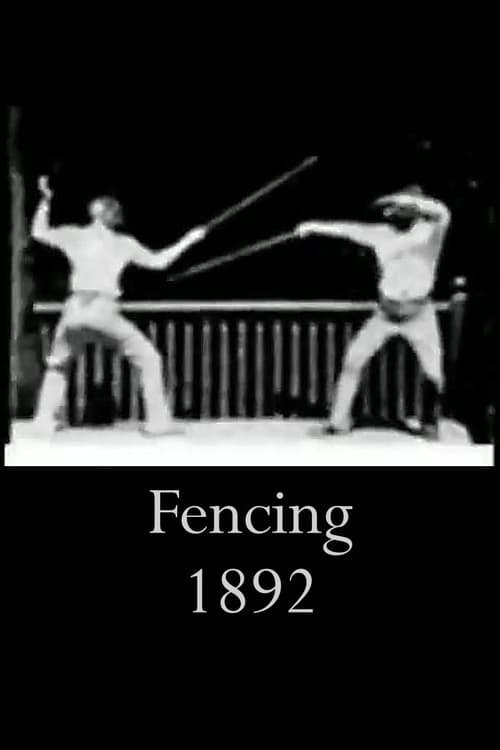
Fencing
1892
No user ratings available yet
Diversity score: 1.1 out of 10
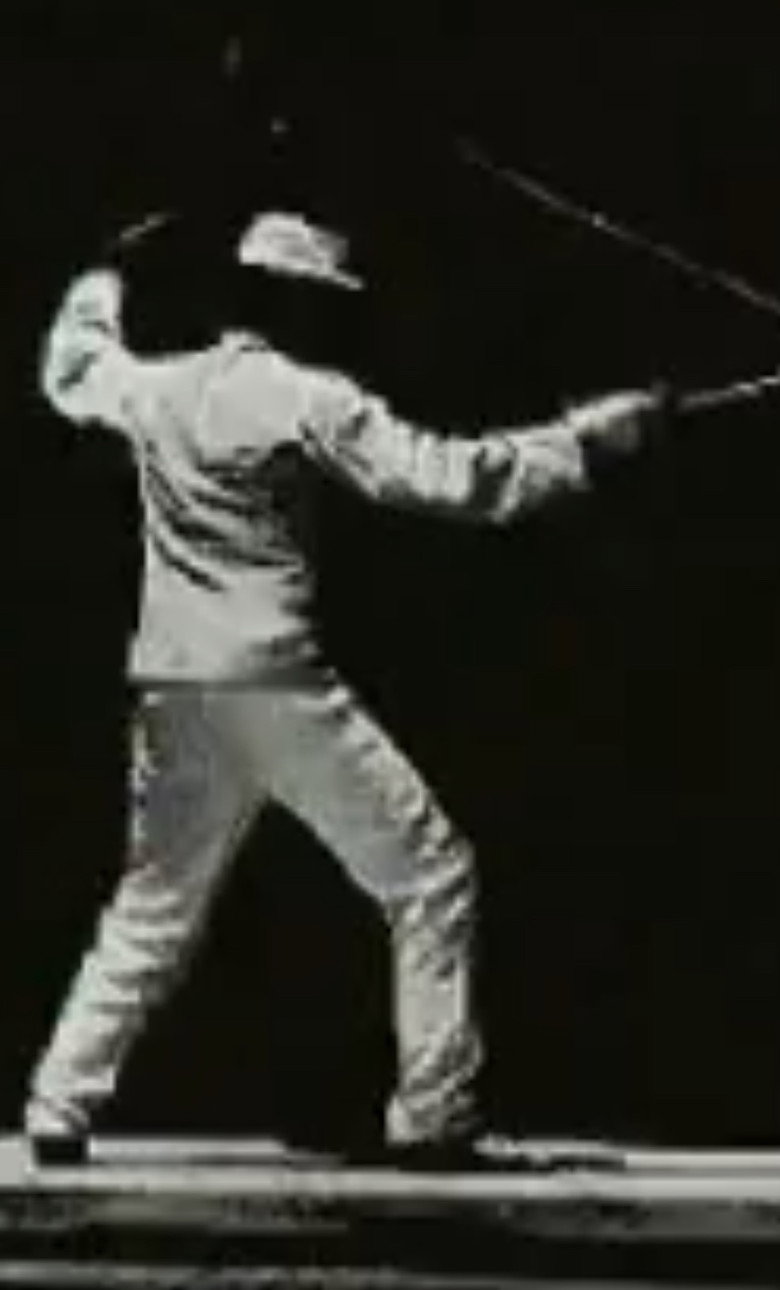
1891
Runtime
1 minutes
Average Rating
No ratings yetSynopsis
Short film of two men fencers
Overall Score
Minimal
Category Breakdown
LGBTQ+ Representation
The film functions as a clinical study of motion between two male subjects. It contains no depictions of same-sex intimacy or non-cisnormative identities.
Gender Representation
The cast is exclusively male, operating within a traditional and gender-homogeneous framework. There is no presence of female agency or subversion of gender hierarchies.
Racial & Ethnic Diversity
The subjects appear to be of European descent, reflecting the demographic context of 19th-century French science. The film lacks diverse casting or non-white representation.
Religious & Cultural Diversity
As a non-narrative scientific inquiry, the work does not engage with religious or political institutions. It remains neutral by avoiding social or moral commentary.
Disability Representation
The footage focuses strictly on athletic coordination and physical mechanics. There is no representation of neurodivergence or physical disability.
Strengths
Areas for Improvement
AI Analysis
Two Fencers is a technical artifact of chronophotography rather than a narrative film. Because its purpose is the empirical documentation of movement, it lacks the structural capacity to address identity or social hierarchies. The film is characterized by extreme homogeneity. The subjects are male, European, and physically able-bodied, reflecting the specific scientific context of late 19th-century France. Ultimately, the work's lack of diversity is a byproduct of its scientific intent. It does not seek to represent human experience, but rather to capture the mechanics of human motion.
1892
1901
1894

1940
1896
1894
1898

1897
1892
1896
1894

1938
No reviews yet. Be the first to share your thoughts on this movie!
Use the rating form above to leave a star rating and optional review.