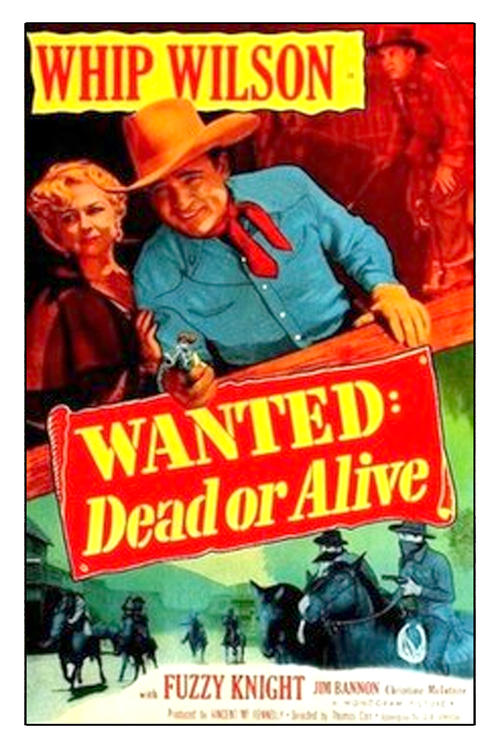
Wanted: Dead or Alive
1951
No user ratings available yet
Representation score: 0.3 out of 10

Representation Score
Limited
1971
PG-13Director
Giuseppe Vari
Runtime
95 minutes
Average Rating
No ratings yetNew Showbiz Analysis
This Spaghetti Western adheres strictly to the genre conventions of the 1970s, emphasizing tension and archetypal conflicts over character development. The plot revolves around a heist and a perilous journey through the desert, focusing on themes of greed and deceit. The film does not intentionally explore social hierarchies or progressive identity narratives. Instead, it serves as a traditional examination of survival in a lawless frontier, driven by masculine-centric archetypes and transactional relationships.
Category Breakdown
The film follows a typical Western framework that assumes everyone is straight and cisgender. There are no narratives that question the assumption that everyone is straight or cisgender.
The cast is predominantly male, focusing on roles such as outlaws, guides, and lawmen. Female characters do not have significant roles or challenge traditional gender hierarchies.
Despite the setting involving a journey toward Mexico, the film does not feature a diverse cast. It follows a conventional storyline of outlaws versus lawmen.
The story uses standard Western clichés of frontier justice and individual survival. It does not prioritize critiques of Western institutions or specific cultural identities.
The narrative does not include characters facing physical, sensory, or neurodivergent challenges.
Present on Screen
Limited or Absent
Official Synopsis
Dan Hogan and his gang have held up a bank for $100,000 in gold bars. They meet up at Jackal's Ranch, a weigh station for stage coaches. While waiting for the gold to arrive they encounter a stranger, John Webb, who wants half the gold in exchange for guiding them safely to Mexico. Reluctantly, Dan agrees and they set across the brutal desert for a race to the border with the Rangers hot on their tail. Is John who he says he is? Is he really after the gold or does he have an ulterior motive?
1951
1967

1947
1962
1975
1973
1971
1961
No reviews yet. Be the first to share your thoughts on this movie!
Use the rating form above to leave a star rating and optional review.