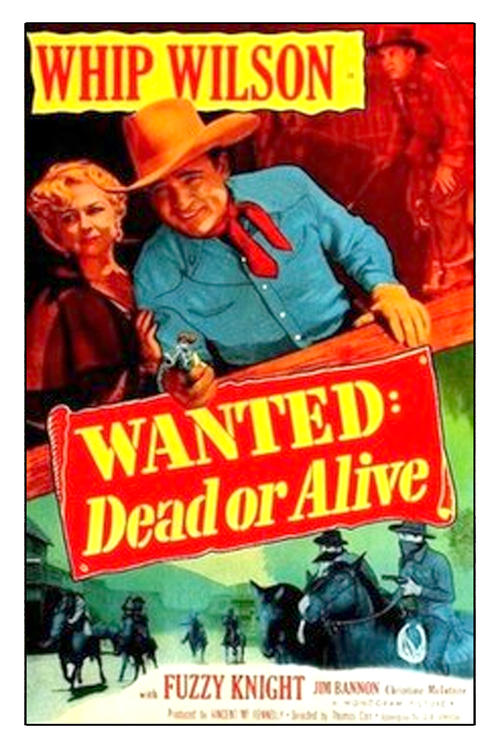
Wanted: Dead or Alive
1951
No user ratings available yet
Representation score: 0.3 out of 10
Representation Score
Minimal
1971
PGDirector
Blake Edwards
Runtime
136 minutes
Average Rating
No ratings yetNew Showbiz Analysis
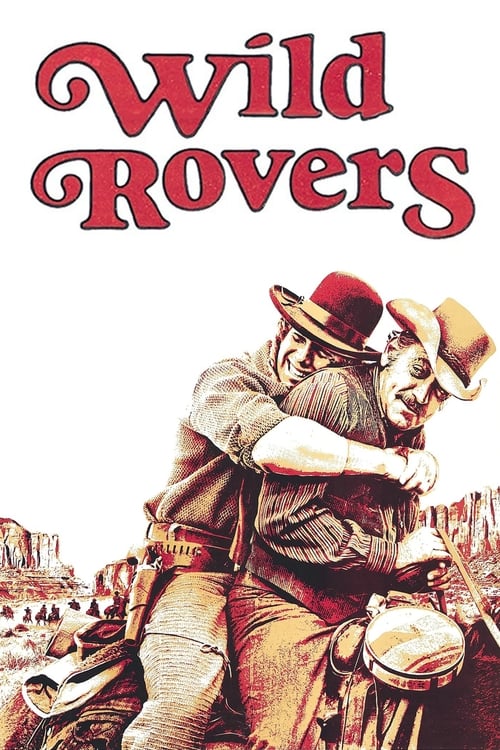
Wild Rovers functions as a revisionist Western that prioritizes character nuance and the deconstruction of the hero myth over demographic variety. It uses moral relativism to challenge the absolute authority of Western institutional progress, offering a more complex view of the frontier than traditional genre entries. However, the film remains heavily tied to the demographic and gendered norms of 1970s cinema. The narrative structure is designed to explore the obsolescence of the individual against systemic order, rather than expanding the spectrum of human representation.
Category Breakdown
The film focuses solely on the fraternal bond between the two male protagonists. There are no visible LGBTQ+ identities or narratives that question the assumption that everyone is straight or cisgender.
The story revolves around a traditional masculine framework centered on outlaw archetypes. Women are limited to peripheral roles that do not challenge established patriarchal hierarchies.
The cast is primarily white and Anglo-Saxon, reflecting early 1970s Westerns. The film lacks significant minority character arcs or diverse representation within the central plot.
The narrative explores the tension between individual control over their lives and encroaching societal rigidity. It uses moral relativism to disrupt the traditional binary of good versus evil.
There are no prominent depictions of visible or invisible disabilities. Characters are defined by their socioeconomic status as drifters rather than physical or neurodivergent identities.
Present on Screen
Limited or Absent
Official Synopsis
Ross Bodine and Frank Post are cowhands on Walt Buckman's R-Bar-R ranch. Bodine is older and broods a bit about how he will get along when he's too old to cowboy. Post is young and rambunctious and ambitious for a better life than wrangling cows. When one of their fellow cowboys is killed in a corral accident, Post suggests a way into a better life for himself and his friend: robbing a bank. Bodine reluctantly joins in the plan and the two contrive to rob the local bank. They make good their escape initially, but Walt Buckman and his two sons, John and Paul, are incensed at this betrayal by their own trusted employees. John and Paul set out to bring Bodine and Post to justice.
1951
1973
1941
1968
1968

1939
1955
1967
No reviews yet. Be the first to share your thoughts on this movie!
Use the rating form above to leave a star rating and optional review.