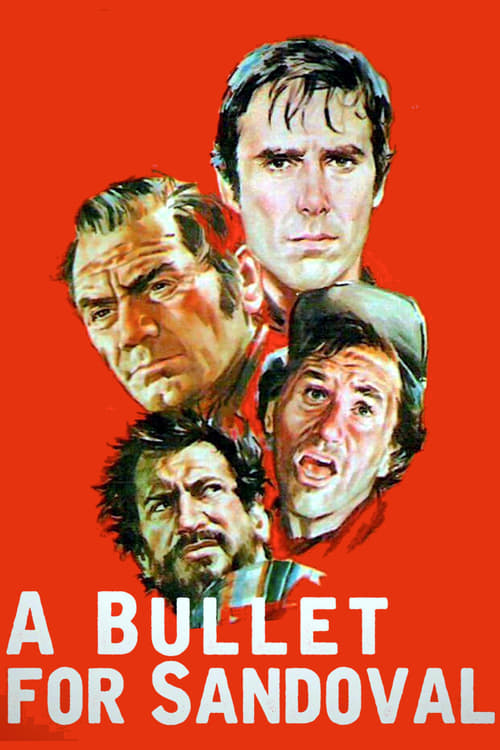
A Bullet for Sandoval
1969
No user ratings available yet
Representation score: 1.2 out of 10
Representation Score
Minimal
1975
PGDirector
Antonio Margheriti
Runtime
103 minutes
Average Rating
No ratings yetNew Showbiz Analysis
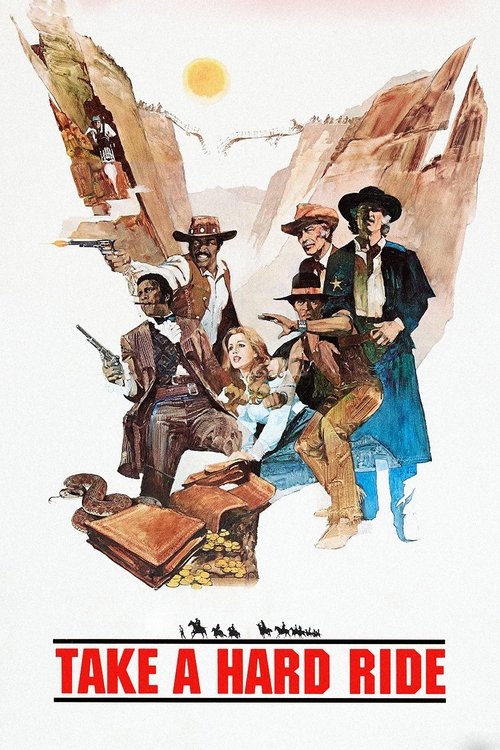
Take a Hard Ride adheres closely to the traditional masculine archetypes of 1970s Italian action cinema. The film focuses on conflict and authority rather than social commentary. It does not intentionally address diverse representation or challenge social hierarchies. Instead, it presents a straightforward portrayal of the outlaw subculture and urban chaos of the time. Overall, the film reflects the limitations of its era, offering minimal progressive social or cultural critique.
Category Breakdown
The film does not include any LGBTQ+ characters or representations of non-straight relationships. It focuses solely on heterosexual relationships typical of 1970s action cinema.
The narrative emphasizes masculine bravado and male-dominated action. Women do not hold positions of intellectual or physical authority, reinforcing traditional gender roles.
The Mexican setting serves primarily as a backdrop for the plot rather than delving into the experiences of Mexican characters. There is no indication of a predominantly non-white cast.
The film reflects the moral ambiguity common in Italian crime cinema. It does not critically examine capitalism, religion, or institutional structures.
There are no characters with physical or neurodivergent disabilities featured in the story.
Present on Screen
Limited or Absent
Official Synopsis
After his cattle rancher boss dies, right-hand man Pike is given the job of returning $86,000 to some families who live across the border in Sonora, Mexico. Honest Pike is joined on the trip through the wilderness by a dishonest gambler named Tyree.
1969
1973
1947
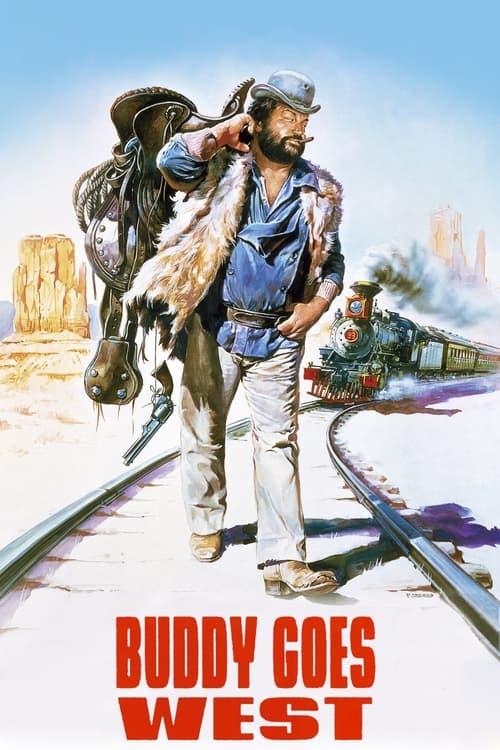
1981
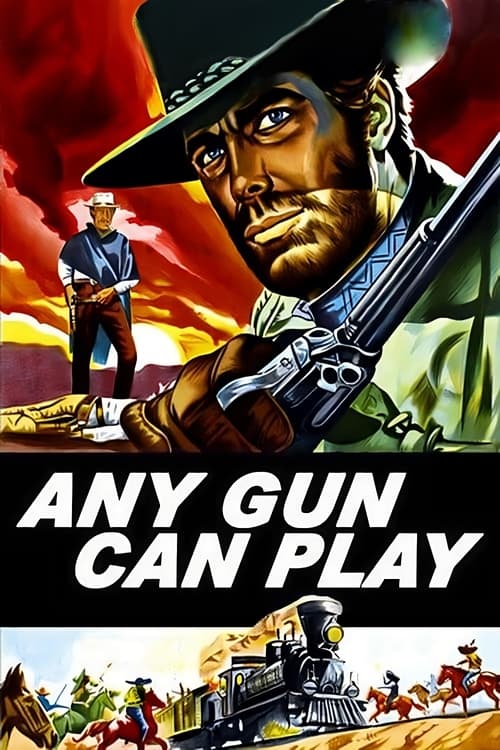
1967
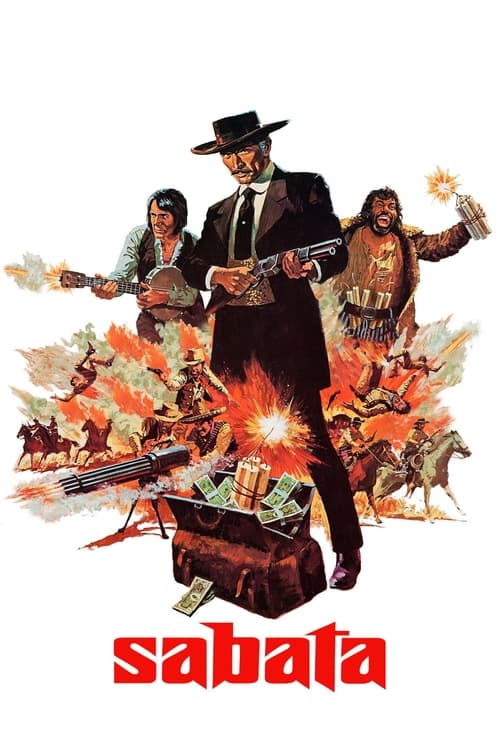
1969
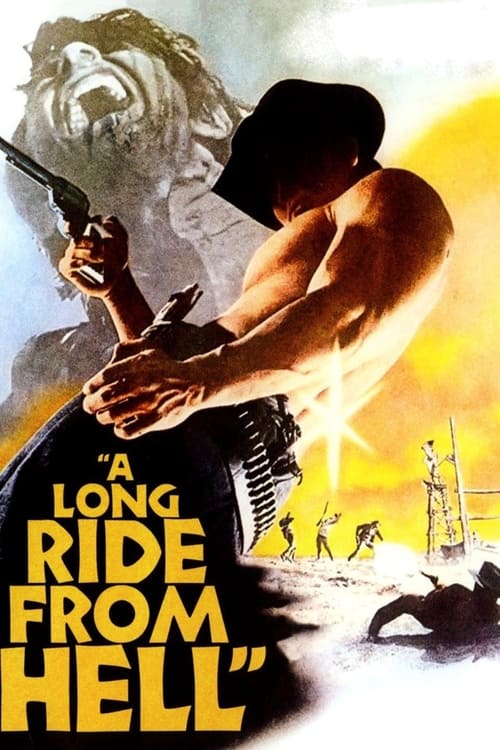
1968
1959
No reviews yet. Be the first to share your thoughts on this movie!
Use the rating form above to leave a star rating and optional review.