
Raiders of Ghost City
1944
No user ratings available yet
Representation score: 1.1 out of 10
Representation Score
Minimal
1952
NRDirector
Roy Huggins
Runtime
81 minutes
Average Rating
No ratings yetNew Showbiz Analysis
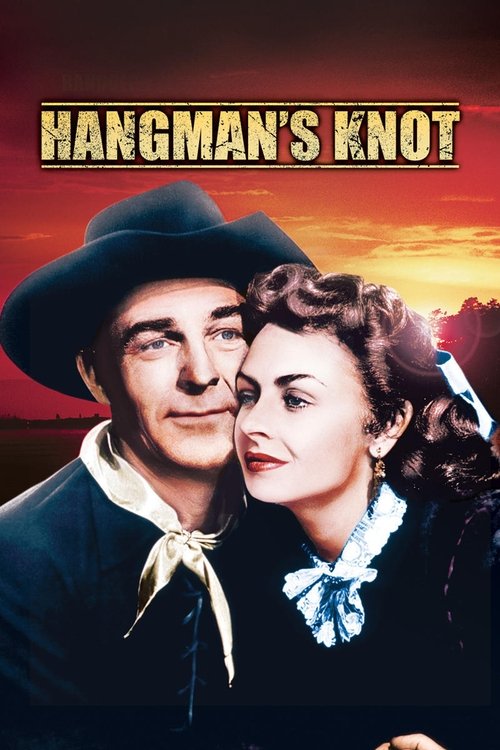
Hangman's Knot is a mid-century Western that emphasizes psychological tension and moral ambiguity over broad demographic representation. The story centers on the erosion of institutional authority and the rise of mob-driven vigilantism among a group of men. While the film provides a sophisticated look at human behavior and the flaws in the legal system, it remains tied to the social structures of its time. It relies on traditional masculine stereotypes and lacks a multi-layered approach to diversity. The film’s strength lies in its deconstruction of the heroic lawman rather than its depiction of a diverse society.
Category Breakdown
The film does not feature any LGBTQ+ characters or stories. It sticks to traditional roles without exploring queer identities.
The story focuses mainly on male characters and their power dynamics. Female characters and their ability to act are completely absent.
The cast is mostly white, following the conventions of Western films from the 1950s. It lacks diverse casting and non-white protagonists.
The film looks at moral relativism by comparing legal systems with vigilante justice. It explores situational ethics without critiquing Western institutions.
There are no characters with visible or invisible disabilities. The narrative does not address neurodivergence or physical disabilities.
Present on Screen
Limited or Absent
Official Synopsis
In 1865, a troop of Confederate soldiers led by Major Matt Stewart attack the wagon of gold escorted by Union cavalry and the soldiers are killed. The only wounded survivor tells that the war ended one month ago, and the group decides to take the gold and meet their liaison that knew that the war ended but did not inform the troop. The harsh Rolph Bainter kills the greedy man and the soldiers flee in his wagon driven by Major Stewart. When they meet a posse chasing them, Stewart gives wrong information to misguide the group; however, they have an accident with the wagon and lose the horses. They decide to stop a stagecoach and force the driver to transport them, but the posse returns and they are trapped in the station with the passenger. They realize that the men are not deputies and have no intention to bring them to justice but take the stolen gold.
1944
1969
1951
1966
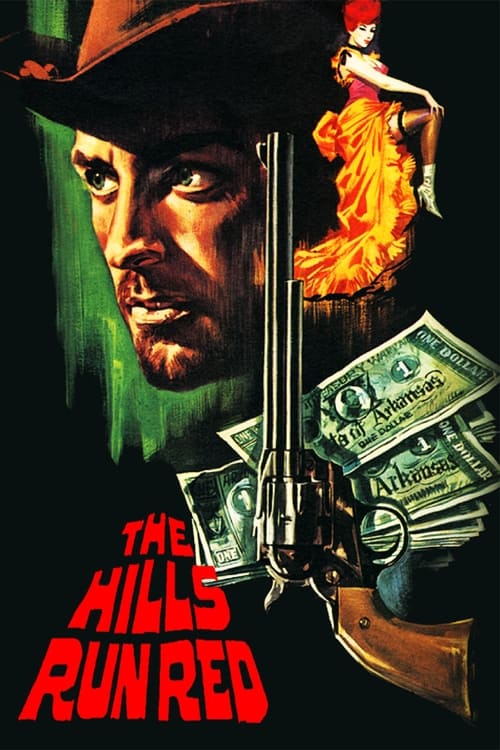
1966
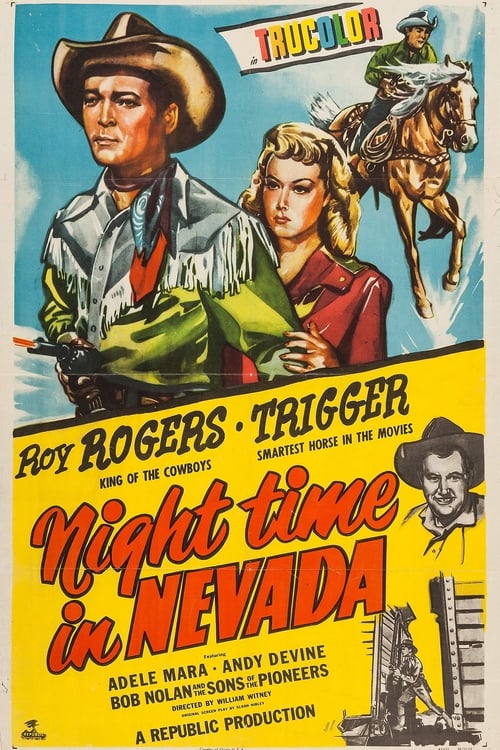
1948
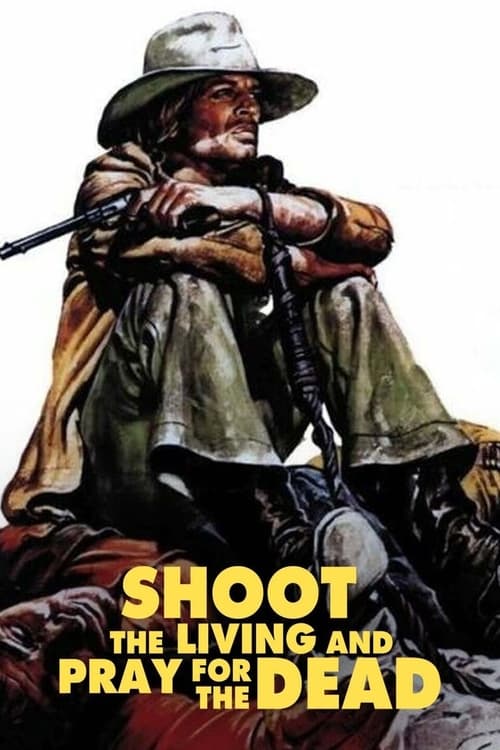
1971
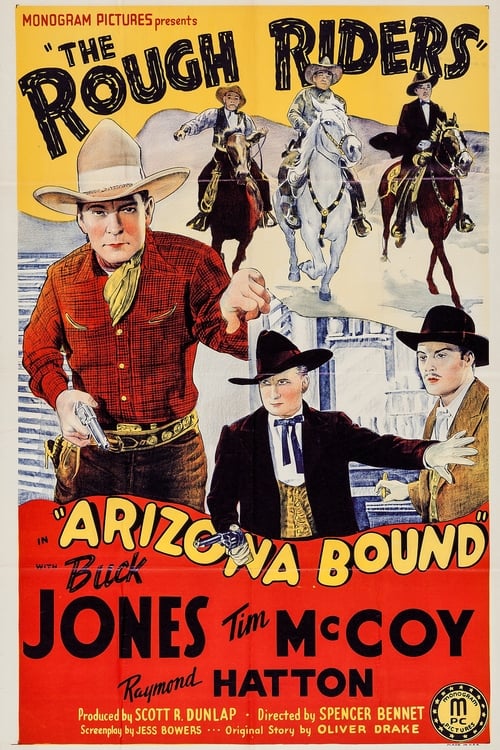
1941
No reviews yet. Be the first to share your thoughts on this movie!
Use the rating form above to leave a star rating and optional review.