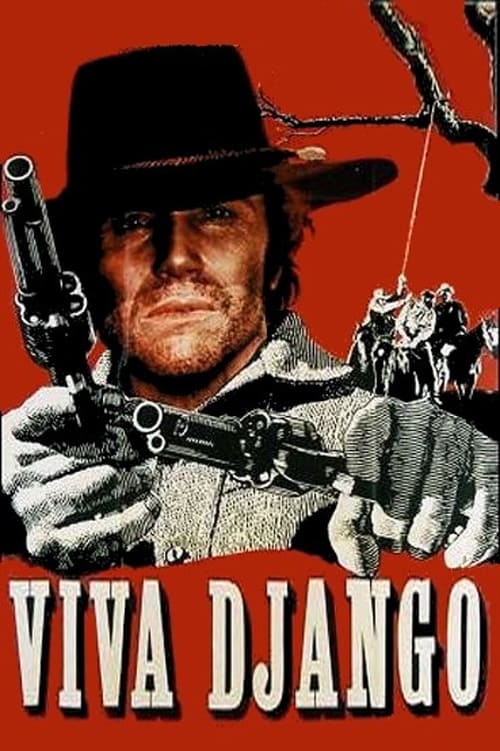
Viva! Django
1971
No user ratings available yet
Representation score: 2.6 out of 10
Representation Score
Minimal
1974
PGDirector
Antonio Margheriti
Runtime
107 minutes
Average Rating
No ratings yetNew Showbiz Analysis
The film operates as a conventional genre piece that upholds the social norms of its time. It leans heavily on established clichés rather than attempting to challenge them. While the inclusion of Chinese characters adds some ethnic variety, the narrative remains centered on Western frontier dynamics. The most pressing issue is the portrayal of women as mere plot devices rather than fully realized characters. Overall, the film prioritizes action and the pursuit of wealth over nuanced or diverse character development.
Category Breakdown
The film does not include any representation of non-binary genders or same-sex relationships. The storyline focuses solely on a traditional treasure hunt driven by male characters.
Women are portrayed as passive tools used by the male protagonists. The plot depends on the objectification of widows, who act as literal guides for a treasure hunt.
Characters of Chinese descent such as Wang and Ho bring ethnic diversity to the predominantly Western setting. However, these roles rely on outdated Orientalist stereotypes typical of 1970s genre films.
The story adheres to conventional Spaghetti Western themes of lawlessness and individualistic violence. It emphasizes inheritance and wealth without critiquing Western social structures.
There is no indication of the portrayal of physical or neurodivergent disabilities in this film.
Present on Screen
Limited or Absent
Official Synopsis
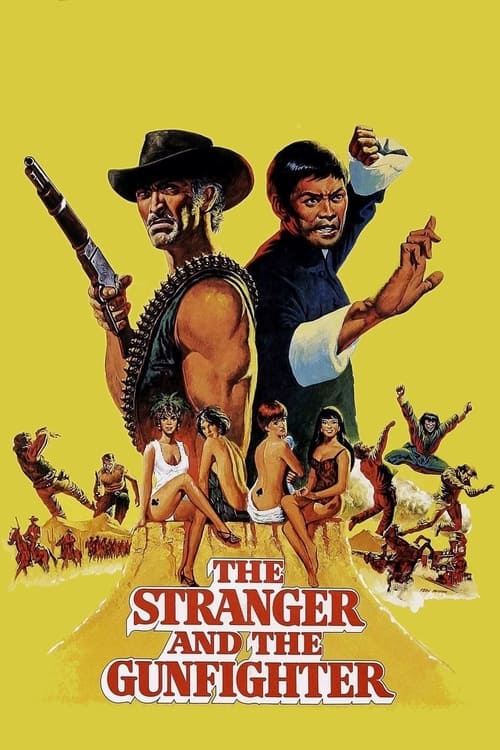
During a hold-up in the Wild West, Dakota kills a rich old Chinese man, Wang. Later, he is captured, sentenced, and is about to be hanged - and he never profitted from Wang's death, has he buried him with the photographs of his four widows, and a few worthless papers. Meanwhile, Ho comes to America in search of his uncle's fortune, and must get Dakota free, as he his the only man who can lead him to Wang's tomb. They open the tomb, retaking the pictures of Wang's widows. It happens he reads the papers and knows that Wang had one quarter of a map tattooed in each of his women's buttocks. Now, the difficult part will really start... Treasure hunt.
1971
1962
1958
1969
1968
1973
1968
1981
No reviews yet. Be the first to share your thoughts on this movie!
Use the rating form above to leave a star rating and optional review.