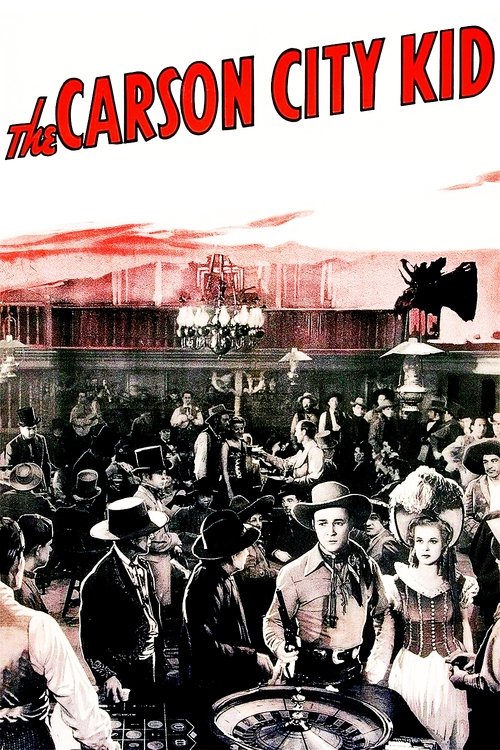
The Carson City Kid
1940
No user ratings available yet
Representation score: 0.5 out of 10
Representation Score
Minimal
1934
NRDirector
Harry L. Fraser
Runtime
53 minutes
Average Rating
No ratings yetNew Showbiz Analysis
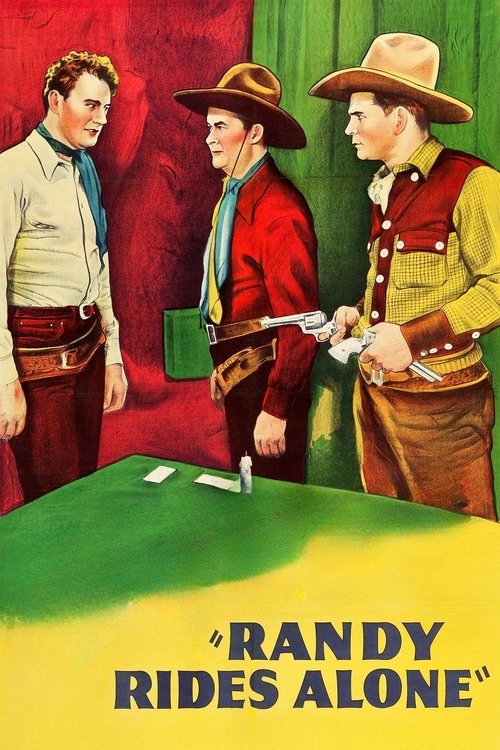
Randy Rides Alone is a classic 1930s B-movie Western that emphasizes genre conventions over social complexity. The story revolves around male-driven conflicts of justice and criminality, typical of Harry L. Fraser's work. The film lacks depth in representing multiple aspects of identity, relying on traditional hierarchies. While a female character supports the hero, she lacks independent ability to act, and the racial landscape appears homogeneous, reflecting the era's casting practices. Ultimately, the film operates as a standard genre piece, reinforcing the status quo of the frontier without challenging or expanding upon the social roles of its time.
Category Breakdown
The film does not include any LGBTQ+ characters or non-cisgender identities. It follows the traditional heterosexual norms of 1930s Western cinema.
The story is driven by male conflicts between Randy Bowers and Matt the Mute. The female character serves as a supportive catalyst for the protagonist’s escape.
The setting highlights Anglo-Saxon archetypes without showing diverse ethnic groups. There is no indication of high ability to act among non-white characters.
The plot upholds traditional social institutions like law and order. It uses conventional frontier clichés without critiquing the social frameworks.
The character 'Matt the Mute' is mentioned, but it is unclear if this represents a physical disability. It remains uncertain if the trait is a characterization or a narrative shorthand.
Present on Screen
Limited or Absent
Official Synopsis
Bandits lead by Matt the Mute enter a bar and kill multiple people. Randy Bowers comes to town and is framed by Matt the Mute, who is working with the sheriff (who doesn't know Matt is really a criminal). Randy escapes with the help of the niece of the dead owner of the bar. Bowers ends up running from the sheriff, and ends up in the cave in which the bandits have their hide-out…
1940
1934
1935
1938

1942

1934

1938
1941
No reviews yet. Be the first to share your thoughts on this movie!
Use the rating form above to leave a star rating and optional review.