A Modern Marriage
1950
No user ratings available yet
Diversity score: 2.2 out of 10
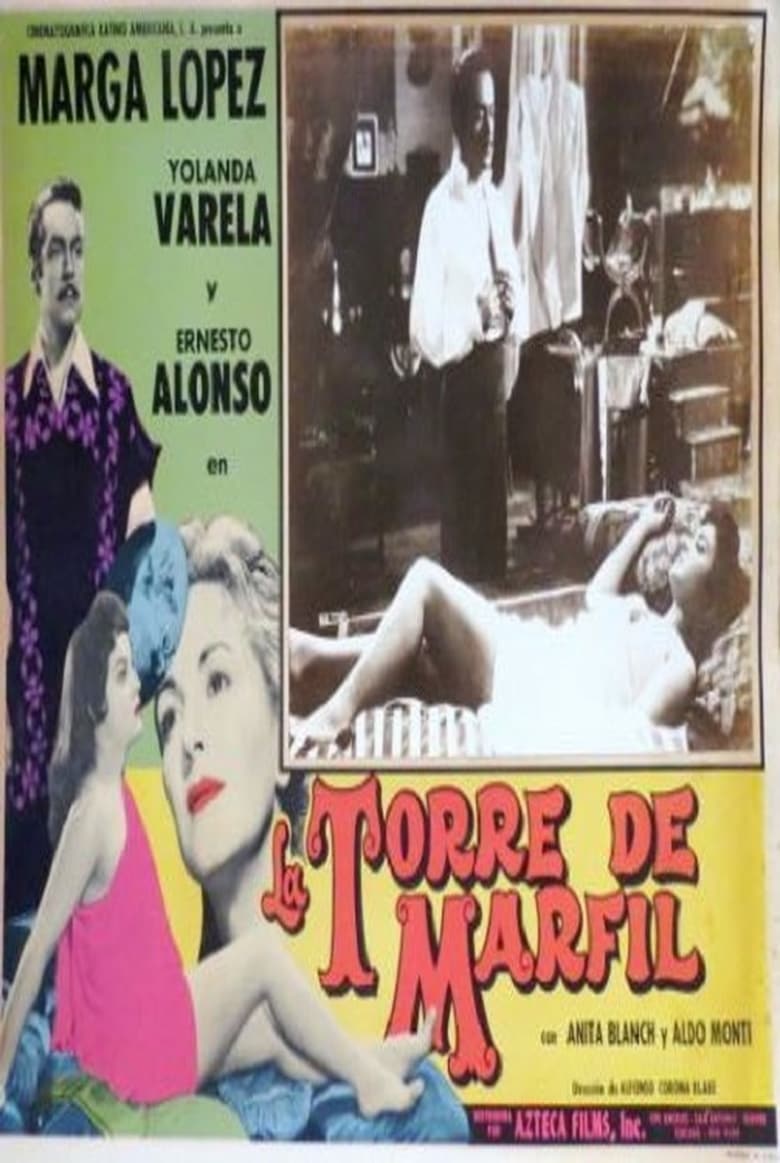
1958
Director
Alfonso Corona Blake
Runtime
100 minutes
Average Rating
No ratings yetSynopsis
Philandering husband drives wife to the brink of suicide.
Overall Score
Fair
Category Breakdown
LGBTQ+ Representation
The film operates within the traditional sexual and gendered frameworks of 1950s Mexican melodrama. There is no evidence of non-cisnormative identities or narratives designed to critique heteronormativity.
Gender Representation
The story centers on a woman's psychological descent following her husband's infidelity. While it explores female interiority, it risks reinforcing the 'suffering woman' trope rather than granting her agency.
Racial & Ethnic Diversity
The production features a predominantly Mexican cast, reflecting the era-appropriate ethnic homogeneity of the domestic film industry. It serves as a culturally specific representation of Mexican identity.
Religious & Cultural Diversity
The asylum setting provides a space where social norms fracture, yet the narrative focuses on personal trauma. It lacks a broader systemic critique of religion or Western institutions.
Disability Representation
Mental health and neurodivergence are central to the narrative. The film engages with the thin line between sanity and insanity, focusing on the lived experience of psychological struggle.
Strengths
Areas for Improvement
AI Analysis
La torre de marfil is a period-specific psychological melodrama that prioritizes individual tragedy over systemic critique. It succeeds in placing mental health at the center of its narrative, offering a meaningful look at psychological struggle through its asylum setting. However, the film remains tethered to the social hierarchies of the late 1950s. The gender dynamics lean heavily on patriarchal transgressions and the trope of the suffering female protagonist, limiting the scope of its social commentary. Ultimately, the film is a character study of emotional fragility. While it provides a platform for exploring female interiority and mental health, it does not challenge the traditional cultural or sexual norms of its era.
1950
1960
1971
1928
1984
1950
1955
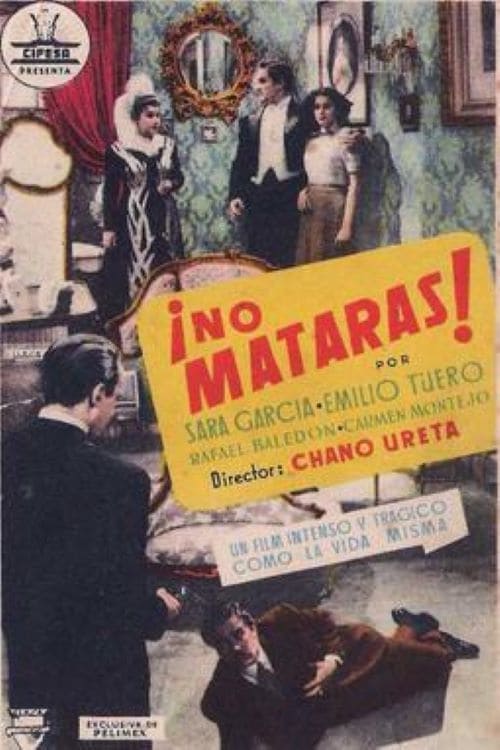
1943
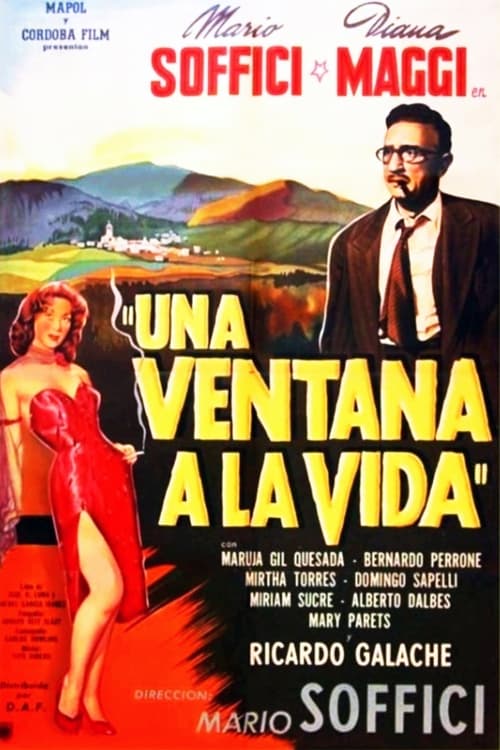
1953
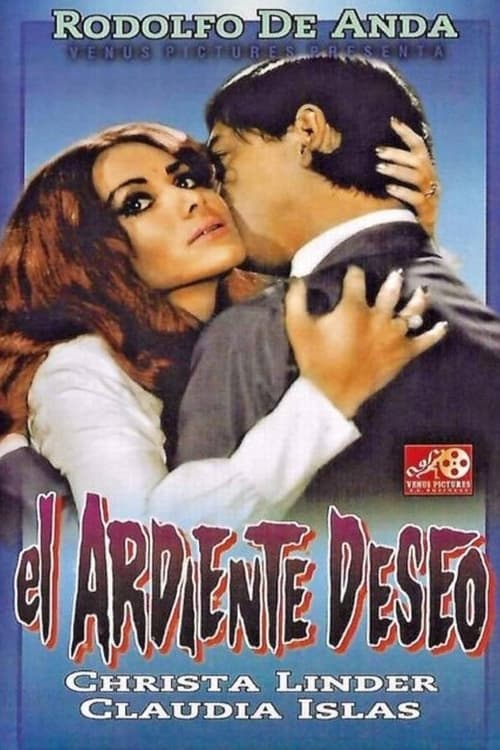
1971
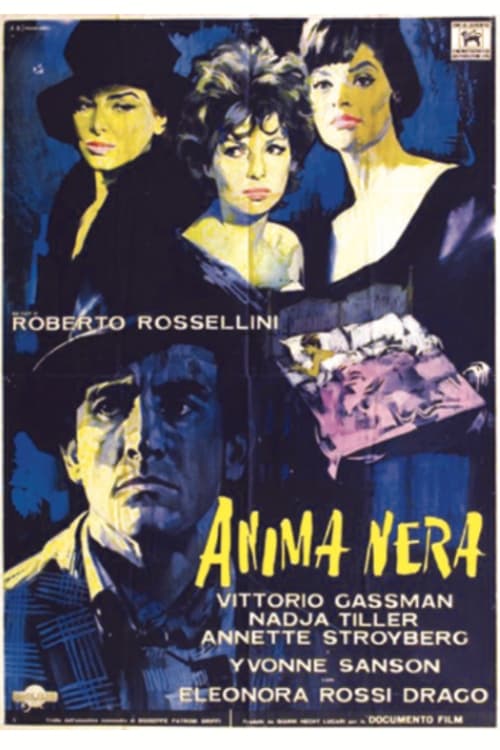
1962
1956
No reviews yet. Be the first to share your thoughts on this movie!
Use the rating form above to leave a star rating and optional review.