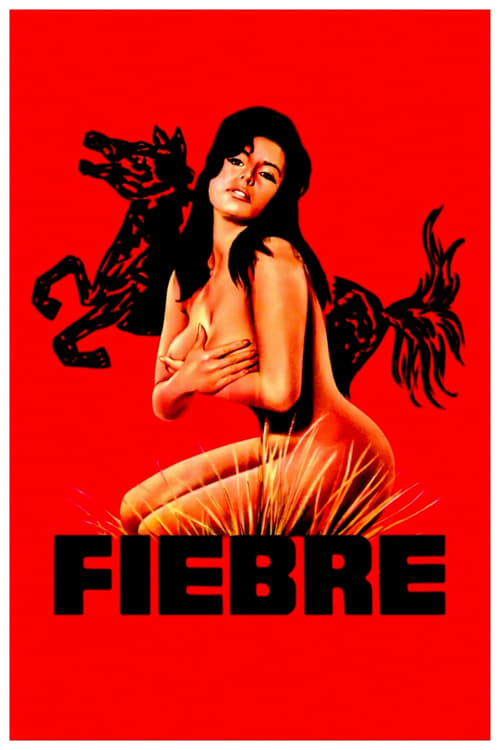
Fever
1971
No user ratings available yet
Representation score: 2.6 out of 10
Representation Score
Limited
1971
Director
Raúl de Anda Jr.
Runtime
85 minutes
Average Rating
No ratings yetNew Showbiz Analysis
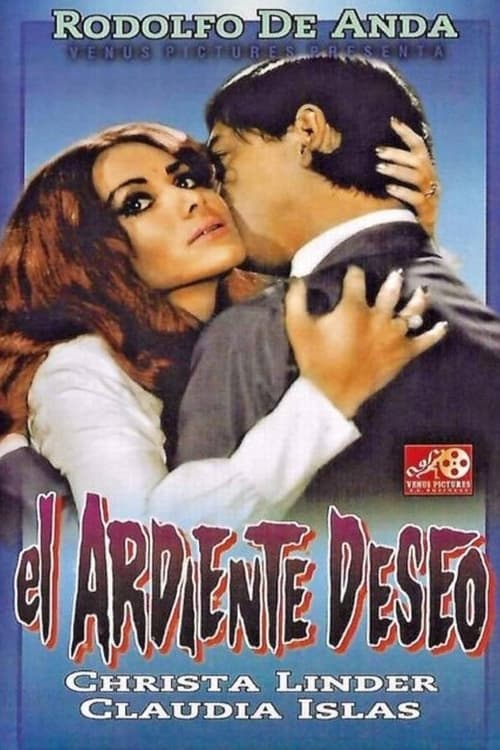
El ardiente deseo is a period-specific drama that follows the conventional melodramatic structures of 1970s Mexican commercial cinema. The film centers on an adulterous love triangle, a premise that historically reinforces established social mores rather than challenging them. The production reflects the demographic norms of its era and region without attempting to disrupt systemic hierarchies. It functions as a traditional dramatic work that operates within the moral frameworks of its time. Because the narrative focuses on a central conflict of infidelity, it lacks the structure necessary for progressive representation or the subversion of traditional social roles.
Category Breakdown
The film adheres to the assumption that everyone is straight or cisgender, typical of 1970s melodrama. There is no representation of LGBTQ+ identities or critiques of the assumption that everyone is straight or cisgender.
The narrative likely relies on traditional gender clichés, such as female passion and male consequence. Without specific character arcs, it appears to follow conventional gender dynamics.
As a Mexican production, the film features a non-Anglo-Saxon cast. However, it lacks multi-layered blending or the subversion of ethnic hierarchies.
The tragic love triangle aligns with traditional moralizing structures. The story emphasizes the consequences of breaking social or familial bonds.
No information is available regarding the depiction of physical or neurodivergent characters.
Present on Screen
Limited or Absent
Official Synopsis
Adulterous love triangle ends in tragedy.
1971

2015
1981

2012

1972
1980
1971
1976
No reviews yet. Be the first to share your thoughts on this movie!
Use the rating form above to leave a star rating and optional review.