
Shadows of Adultery
1961
No user ratings available yet
Diversity score: 5.9 out of 10
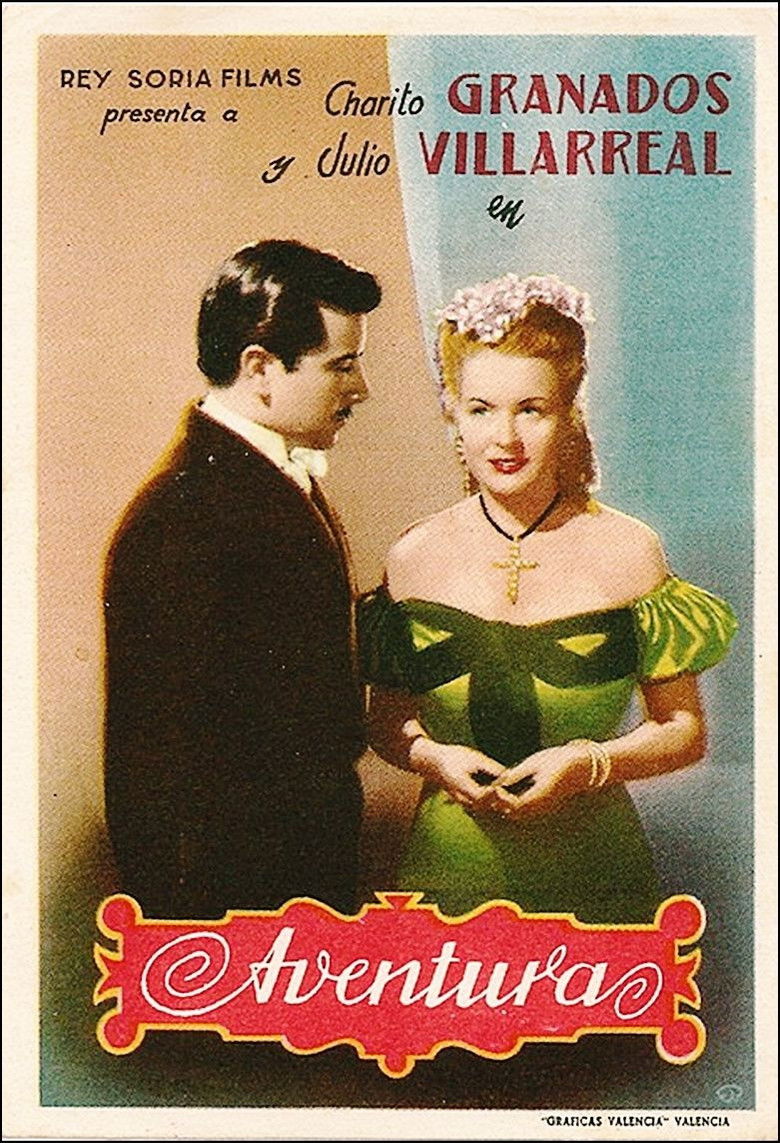
1945
Director
José Díaz Morales
Runtime
90 minutes
Average Rating
No ratings yetSynopsis
Man commits suicide over his wife's infidelity. His father spends the rest of his life trying to figure out which of son's two children is illegitimate.
Overall Score
Fair
Category Breakdown
LGBTQ+ Representation
The film lacks explicit LGBTQ+ characters or non-heteronormative identities. The story centers on infidelity within a traditional marital structure.
Gender Representation
The narrative deconstructs the submissive female archetype by making infidelity the catalyst for family collapse. However, female agency is tied to a destructive arc.
Racial & Ethnic Diversity
The drama appears centered on a homogeneous social unit. There is no evidence of a multi-ethnic cast or the subversion of racial hierarchies.
Religious & Cultural Diversity
The film challenges the sanctity of the bloodline and Western domestic ideals. It prioritizes moral relativism over traditional tales of redemption or justice.
Disability Representation
There is no evidence of characters with visible or invisible disabilities within the narrative.
Strengths
Areas for Improvement
AI Analysis
Adultery (1945) functions as a psychological study of the breakdown of the nuclear family. It avoids the moralistic tropes common to mid-century cinema by focusing on the existential crisis triggered by infidelity and the subsequent obsession with illegitimacy. While the film lacks modern intersectional markers, it provides a foundational disruption of social hierarchies by portraying the family unit as a source of torment rather than stability. The narrative architecture favors ambiguity over traditional justice. Ultimately, the film's diversity is limited by its era and its focus on a homogeneous domestic setting, though it succeeds in deconstructing patriarchal lineage through its central conflict.
1961

1965
1975
1953
1959
1958

2000
1960
1981
1934

1966
1949
No reviews yet. Be the first to share your thoughts on this movie!
Use the rating form above to leave a star rating and optional review.