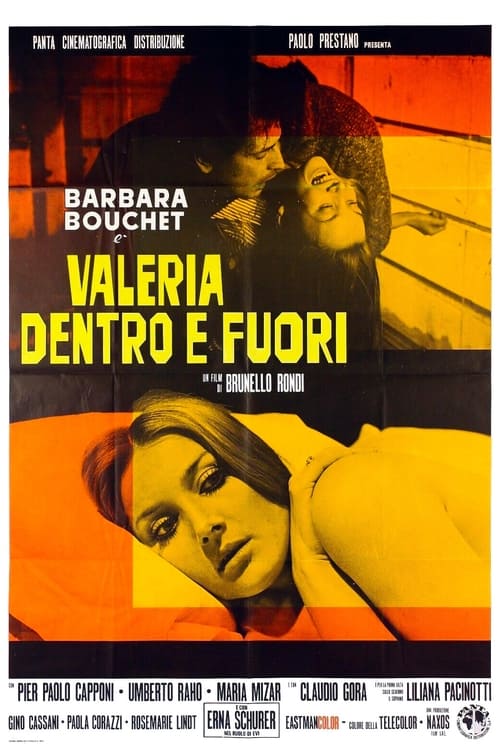
Valerie Inside Outside
1972
No user ratings available yet
Representation score: 4.8 out of 10
Representation Score
Limited
1972
Director
René Cardona Jr.
Runtime
85 minutes
Average Rating
No ratings yetNew Showbiz Analysis
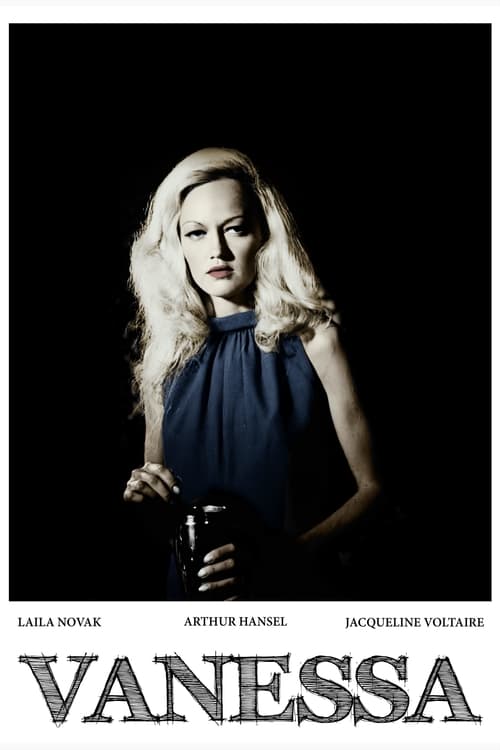
Vanessa functions as a transitional piece of 1970s cinema that questions traditional domesticity. It moves away from standard straight-centered structures by focusing on a woman's pursuit of fulfillment through another woman. While the film challenges the submissive female archetype, it lacks the documented intentionality of modern storytelling that considers multiple aspects of identity. The narrative focuses on interpersonal rebellion rather than systemic social critique. Ultimately, the film occupies a space of moderate representation, utilizing themes of infidelity and personal ability to act to disrupt conventional social expectations of the era.
Category Breakdown
The film explores a woman seeking fulfillment outside her marriage through another woman. It introduces non-traditional relationship themes, though it remains unclear if the story offers nuanced queer identity or relies on era-specific melodrama.
The narrative centers on a woman's dissatisfaction with marital stability and prioritizes her desires over domestic expectations. This disrupts the cliché of the submissive wife.
There is no information available regarding the racial or ethnic composition of the cast. Consequently, the film's approach to racial diversity cannot be assessed.
The story deconstructs the nuclear family by prioritizing individual emotional truth over traditional social institutions. However, it lacks evidence of broader systemic or religious critiques.
The provided context contains no evidence of characters with physical or neurodivergent disabilities. No representation in this area is documented.
Present on Screen
Limited or Absent
Official Synopsis
A woman is dissatisfied with her husband and resorts to another woman.
1972

1965
1970

1965

1987

1989

1965
1976
No reviews yet. Be the first to share your thoughts on this movie!
Use the rating form above to leave a star rating and optional review.