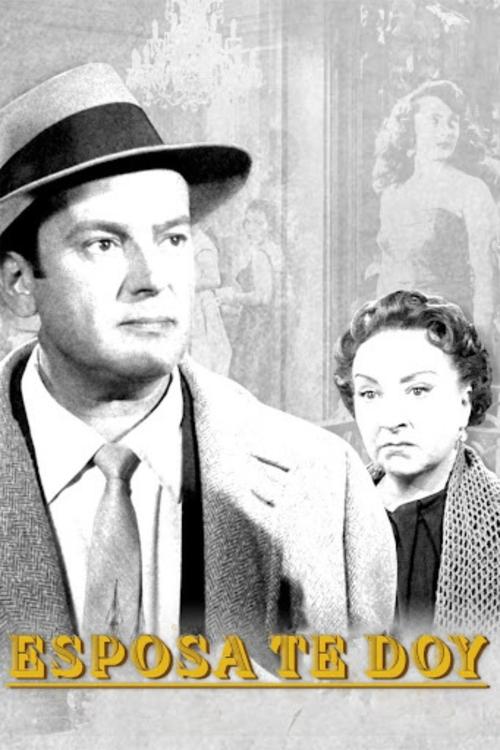
Esposa te doy
1957
No user ratings available yet
Representation score: 3.3 out of 10
Representation Score
Limited
1952
Director
Alberto Gout
Runtime
90 minutes
Average Rating
No ratings yetNew Showbiz Analysis
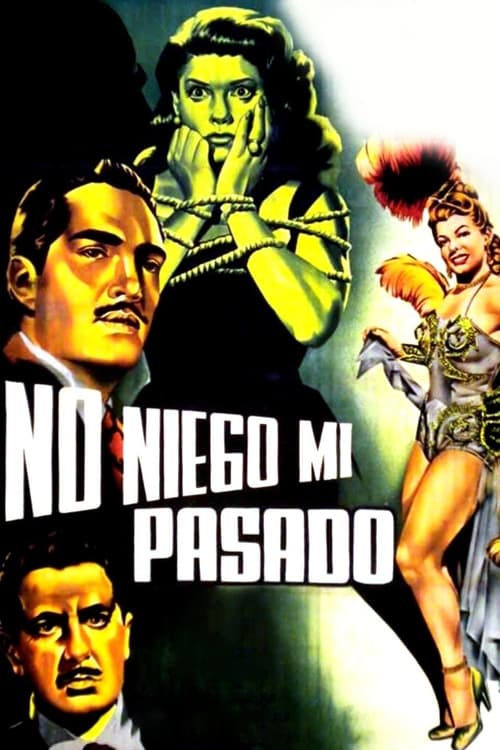
No niego mi pasado is a product of the Golden Age of Mexican cinema, adhering to the domestic melodramas typical of its era. The story prioritizes traditional moral conflicts and the sanctity of the nuclear family over progressive social exploration. The film's structure reinforces mid-century social hierarchies. While the female protagonist drives the emotional tension, the power dynamics remain heavily skewed toward patriarchal control and conventional romantic transgressions. Ultimately, the work functions as a culturally specific period piece. It reflects the standard social norms of 1950s Latin American studio systems rather than challenging them through diverse lenses.
Category Breakdown
The film focuses on a heterosexual marriage crisis and does not include any queer narratives or non-cisgender identities.
Susana is central to the emotional conflict, but the narrative reinforces patriarchal hierarchies. The husband's threat of lethal violence highlights rigid masculine dominance.
The film reflects the ethnic landscape of 1952 Mexico. It likely features a Mestizo cast consistent with the era's demographic norms and production context.
The story centers on the breakdown of marriage, a cornerstone of traditional social structures. It operates within the moral constraints of the 1950s.
There is no mention of characters with visible or invisible disabilities in the narrative.
Present on Screen
Limited or Absent
Official Synopsis
This is a film by Alberto Gout that deals with the story of a marriage in crisis. It all starts when Leonardo surprises his wife Susana with her lover and threatens him with death for stealing her.
1957
1955

1949
1953
1953
1956
1954
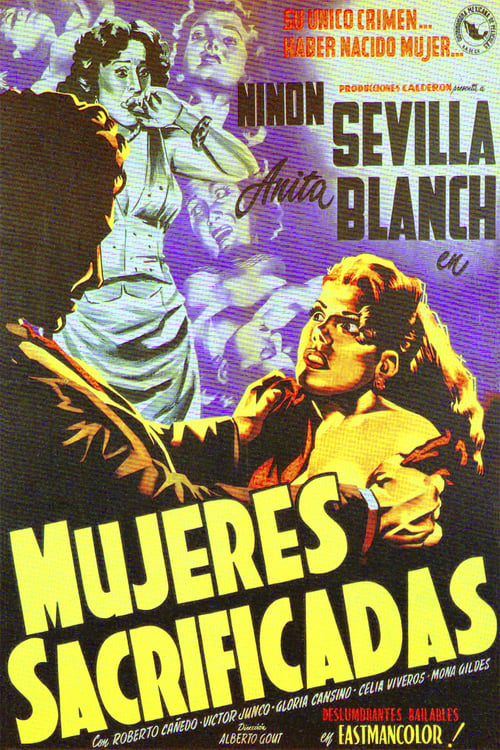
1952
No reviews yet. Be the first to share your thoughts on this movie!
Use the rating form above to leave a star rating and optional review.