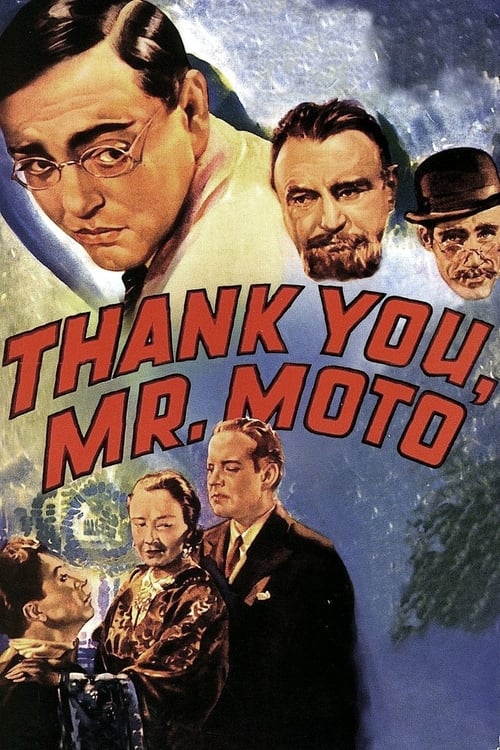
Thank You, Mr. Moto
1937
No user ratings available yet
Representation score: 0.7 out of 10
Representation Score
Minimal
1938
ApprovedDirector
Norman Foster
Runtime
62 minutes
Average Rating
No ratings yetNew Showbiz Analysis
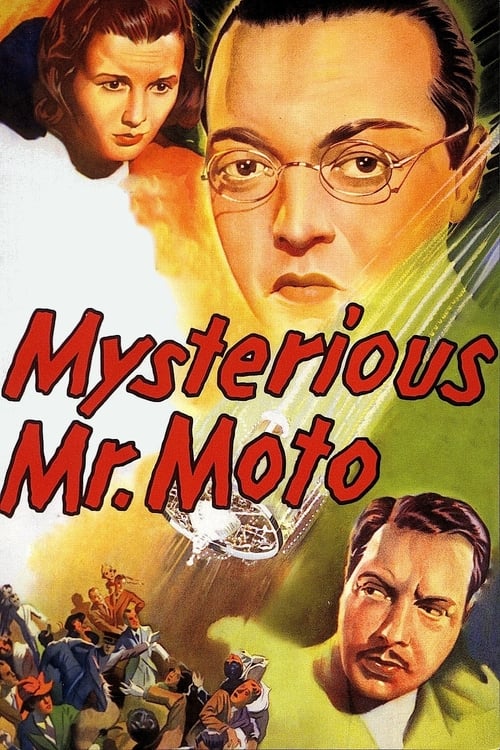
Mysterious Mr. Moto adheres closely to the social and cultural norms of the late 1930s. Although the lead role offers a minor departure from the era’s typical Anglo-centric casting, the film lacks depth in representing diverse identities. The narrative centers around traditional gender roles and Western institutions. It functions as a straightforward mystery procedural without substantial social commentary or character-driven subversion. Overall, the film’s adherence to conventional storytelling and its reliance on familiar clichés results in a representation that is not particularly progressive.
Category Breakdown
The film does not include any characters with LGBTQ+ identities. The character dynamics follow the conventional social structures of the 1930s.
Female characters play supporting roles or act as plot catalysts. The male protagonist holds the intellectual authority and investigative control.
The main character is a Japanese detective, but the role is filled by a Hungarian actor named Peter Lorre. This raises questions about the actor’s background versus the character’s identity.
The story follows a traditional Western framework focused on maintaining social order and preserving property. It emphasizes the stability of the status quo.
There are no characters with visible or invisible disabilities. The film does not address neurodivergence or physical disabilities.
Present on Screen
Limited or Absent
Official Synopsis
The Japanese detective rounds up a league of assassins for Scotland Yard.
1937
1942
1939
1941

1938
1940
1939

1939
No reviews yet. Be the first to share your thoughts on this movie!
Use the rating form above to leave a star rating and optional review.