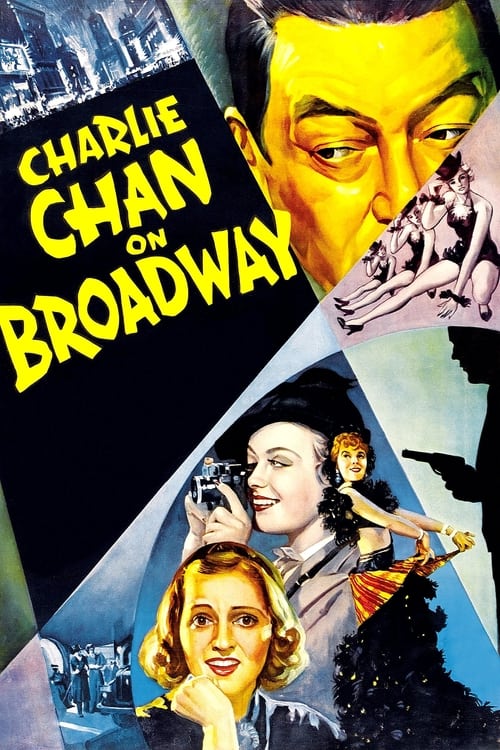
Charlie Chan on Broadway
1937
No user ratings available yet
Representation score: 1.3 out of 10
Representation Score
Minimal
1936
ApprovedDirector
H. Bruce Humberstone
Runtime
68 minutes
Average Rating
No ratings yetNew Showbiz Analysis
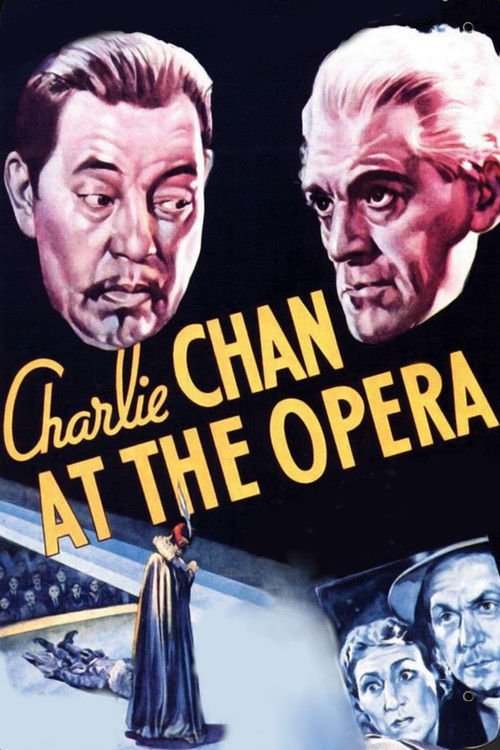
Charlie Chan at the Opera is shaped by its 1936 context, using traditional narrative forms. While the main character being of color adds some visibility, the film still relies on period-specific stereotypes and caricatures. The film upholds existing social hierarchies, especially concerning gender and culture. Women have limited influence, and the Parisian setting emphasizes Eurocentric traditions. The narrative does not delve into diverse lived experiences. Ultimately, the film focuses on restoring order through a Western lens, lacking in-depth exploration of diverse backgrounds.
Category Breakdown
There are no visible LGBTQ+ characters or queer subtext in the film. It follows the social and cinematic norms of the 1930s.
Women in the film mainly serve as witnesses, victims, or romantic interests. The plot and intellectual challenges are primarily driven by the male protagonist.
The film includes a central character of color, which was rare for the time. However, the story uses clichés and language that align with historical stereotypes.
The movie supports traditional social orders and Western institutions. It highlights the detective's competence as a means to restore order, without questioning traditional morality.
An amnesiac character is used as a plot device to create tension. The condition is employed to build suspense rather than to explore mental health issues in depth.
Present on Screen
Limited or Absent
Official Synopsis
A dangerous amnesiac escapes from an asylum, hides in the opera house, and is suspected of getting revenge on those who tried to murder him 13 years ago.
1937

1933
1936
1940
1935

1930
1941
1944
No reviews yet. Be the first to share your thoughts on this movie!
Use the rating form above to leave a star rating and optional review.