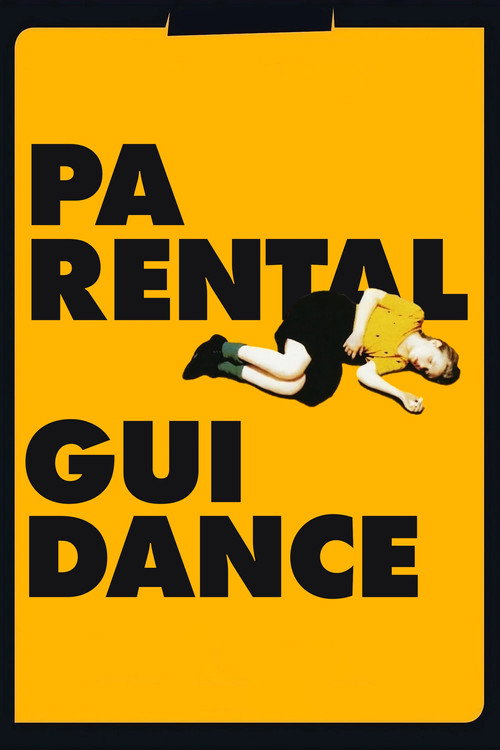
Parental Guidance
1997
No user ratings available yet
Representation score: 7.3 out of 10

Representation Score
Good
1987
Director
Marion Hänsel
Runtime
99 minutes
Average Rating
No ratings yetNew Showbiz Analysis
Marion Hänsel’s drama offers a psychologically realistic critique of the domestic sphere, dismantling the myth of the stable, nurturing family. By doing so, the film highlights the breakdown of communication and the failure of traditional support structures. However, the film lacks demographic breadth, focusing primarily on a specific European context with little representation of LGBTQ+ identities or diverse racial backgrounds. Ultimately, the work's value lies in its refusal to offer a comforting moral resolution, instead emphasizing the complexities of systemic neglect and emotional isolation.
Category Breakdown
The film centers on traditional family structures and does not include explicit LGBTQ+ identities or subtext.
Nicole's struggle as a single mother challenges the traditional view of motherhood as a source of strength, instead showing it as a place of vulnerability.
The story seems to be set in a European context with no multi-ethnic cast or racial metaphors.
The film deconstructs the traditional family unit by avoiding idealized clichés, critiquing Western domestic institutions by portraying parenthood as emotionally distant.
Themes of physical and mental fragility are central to the plot, exploring the harsh realities of illness and the institutional management of those affected.
Present on Screen
Limited or Absent
Official Synopsis
Ludovic is the son of Nicole, a single mother who married Micho, a man older than her. He agreed to adopt her son. Ludo is the scapegoat of Tatave, first son of Micho and the favoured victim of his teacher. Communication between Ludo and his mother is non-existent. While her own health is deteriorating, she eventually entrusts him to an asylum.
1997

1989

1979

1957
1977
1989
1969
2001
No reviews yet. Be the first to share your thoughts on this movie!
Use the rating form above to leave a star rating and optional review.