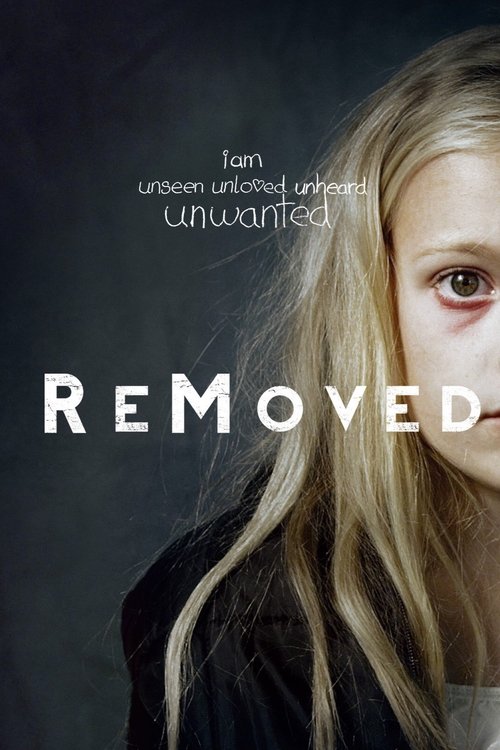
ReMoved
2013
No user ratings available yet
Representation score: 2.1 out of 10

Representation Score
Excellent
2012
Director
Nathalie Saint-Pierre
Runtime
111 minutes
Average Rating
No ratings yetNew Showbiz Analysis
Catimini is a social realist drama that shines in its critique of institutionalized care. By focusing on the ability to act of young women navigating the foster system, the film avoids many clichéd narratives. It effectively portrays the instability of moving from state care to independent living. Emotional and psychological vulnerabilities are treated as central human experiences rather than mere plot devices. However, the film lacks specific visibility regarding LGBTQ+ identities and does not highlight racial or ethnic diversity. While it critiques systemic issues, it does not offer clear representation of diverse cultural or sexual identities.
Category Breakdown
The film does not explicitly depict LGBTQ+ identities or relationships outside of traditional heterosexual ones. The story focuses on the institutional and familial structures of foster care.
Female characters play key roles in driving the narrative, navigating strict institutional systems. The portrayal of Reynald as a gentle, patient figure adds nuance to traditional masculine authority.
No specific information is given about the racial makeup of the cast. The film maintains a standard level of social realism without highlighting individual ethnic backgrounds.
The story strongly criticizes traditional institutions such as the state and nuclear families. It emphasizes the personal experiences of individuals over the assumed benefits of societal structures.
Though no physical or neurodivergent disabilities are named, characters show significant psychological vulnerability. Their internal struggles with trauma and attachment are portrayed with substantial ability to act.
Present on Screen
Limited or Absent
Official Synopsis
Cathy, 6, is taken by a social worker to a foster home in the countryside, where she slowly gets used to the strict rules imposed by her foster mother Réjeanne. Fortunately, her foster father, Reynald, is kind and gentle with the girl and patiently helps her break through her shell. Kayla, 12, is sent to a group home where she gets to know Morgane, a rebellious teenager who’s planning to run away. At about the same time, Manu is released from the system on the day she turns 18, but she finds it difficult to adjust to her solitary existence outside of the system. All four meet up at a reception honoring a foster family with whom they’ve all previously lived.
2013

2015

2021
1994

2023

2018

1999

2020
No reviews yet. Be the first to share your thoughts on this movie!
Use the rating form above to leave a star rating and optional review.