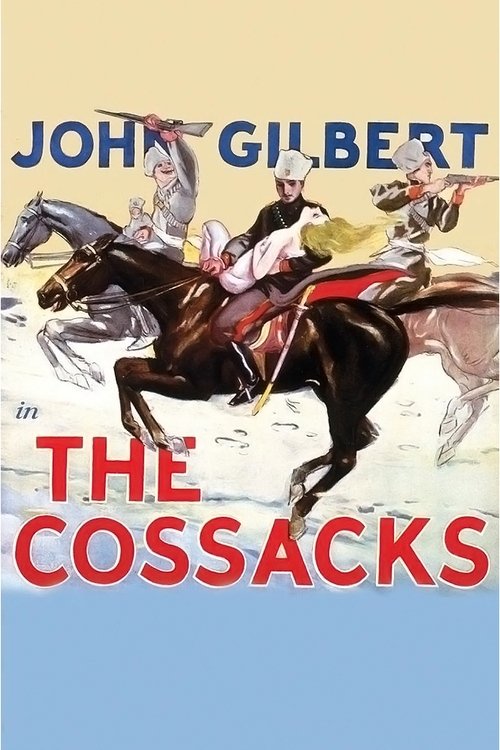
The Cossacks
1928
No user ratings available yet
Diversity score: 2.2 out of 10
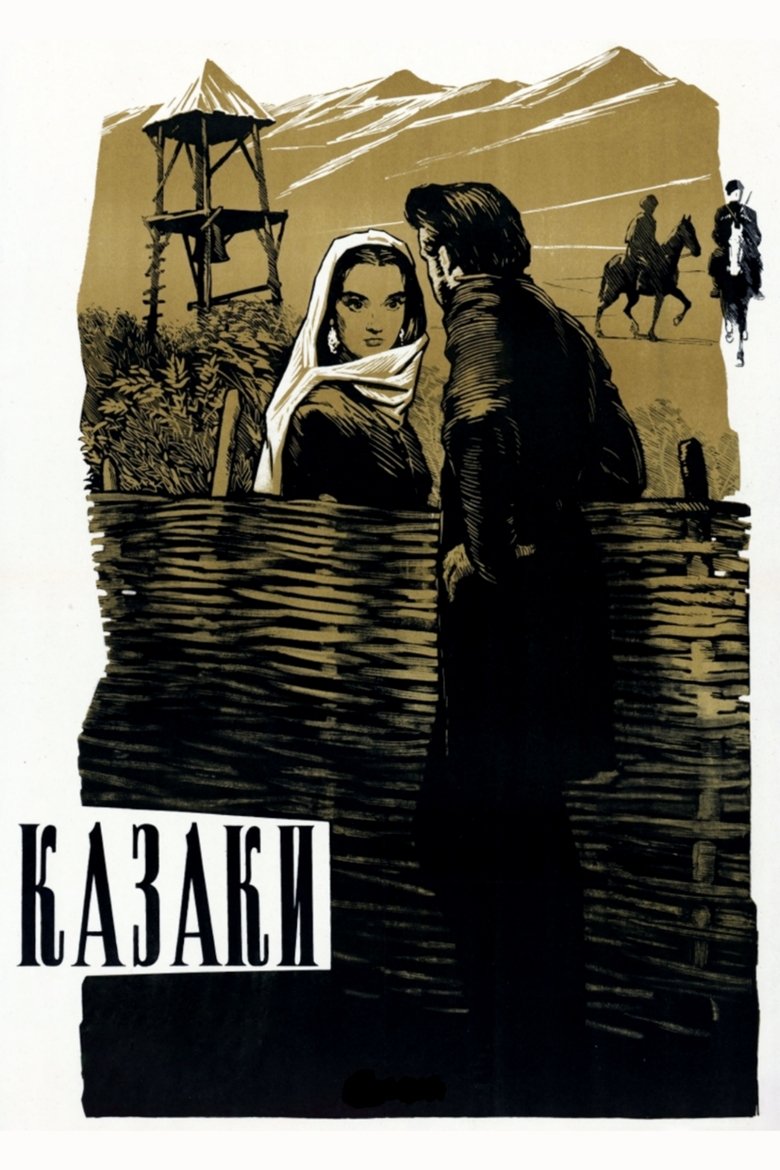
1961
Director
Vasily Pronin
Runtime
97 minutes
Average Rating
No ratings yetSynopsis
Junker Olenin, a representative of St. Petersburg's golden youth, is traveling from St.Petersburg to the Caucasus in search of romance. His regiment is stationed in the Cossack village. Here he falls in love with the beautiful Maryana and is ready to marry her, but she loves the Cossack Lukashka and is not going to exchange him for the master.
Overall Score
Fair
Category Breakdown
LGBTQ+ Representation
The film adheres to 19th-century romantic conventions. There are no queer narratives or non-cisnormative identities present in the story.
Gender Representation
Maryana displays emotional agency by choosing her own romantic path. However, the narrative remains centered on masculine martial prowess and traditional hierarchies.
Racial & Ethnic Diversity
The film highlights ethnic distinctions between the St. Petersburg aristocracy and the Cossack community. It explores the friction between imperial identity and localized ways of life.
Religious & Cultural Diversity
The narrative critiques imperial social orders by celebrating the communal, decentralized lifestyle of the Cossacks. It frames the frontier as a site of authentic human experience.
Disability Representation
No visible or invisible disabilities are central to the character arcs or the narrative development.
Strengths
Areas for Improvement
AI Analysis
The film functions as a historical study of class friction and social hierarchy. It succeeds in deconstructing the rigid St. Petersburg aristocracy by contrasting it with the communal autonomy of the Caucasus frontier. While the film lacks modern intersectional representation, such as LGBTQ+ or disability visibility, it offers a nuanced look at ethnic and cultural distinctions. The tension between imperial authority and individualistic existence provides a meaningful social critique. Ultimately, the score reflects a period-specific drama that prioritizes historical authenticity over contemporary diversity markers, finding its strength in the exploration of communal identity versus institutionalized power.
1928
1964

1964
1957
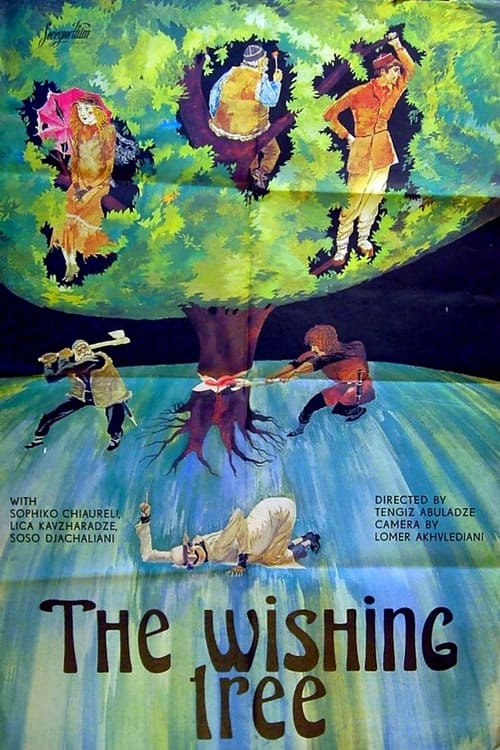
1976
1965
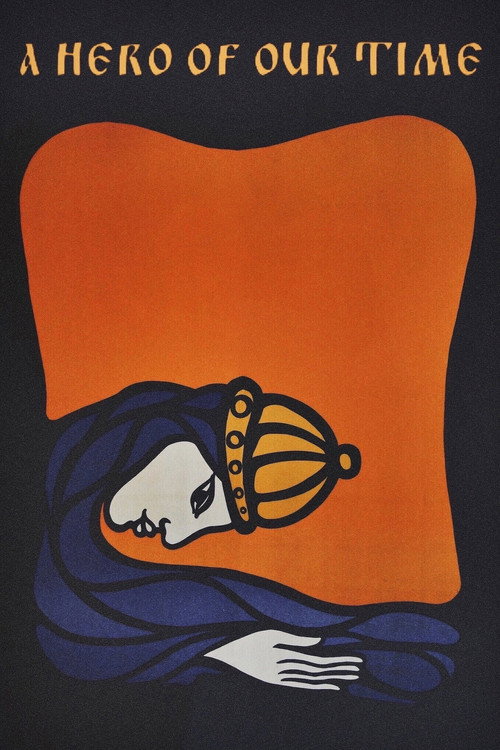
1967

1927
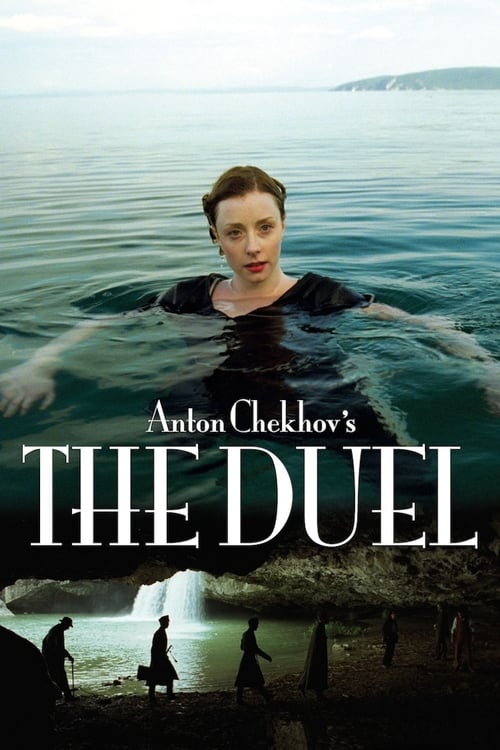
2010
1976
1964
1955
No reviews yet. Be the first to share your thoughts on this movie!
Use the rating form above to leave a star rating and optional review.