Dede
2017
No user ratings available yet
Representation score: 8.6 out of 10
Representation Score
Limited
1964
Director
Nikoloz Sanishvili
Runtime
90 minutes
Average Rating
No ratings yetNew Showbiz Analysis
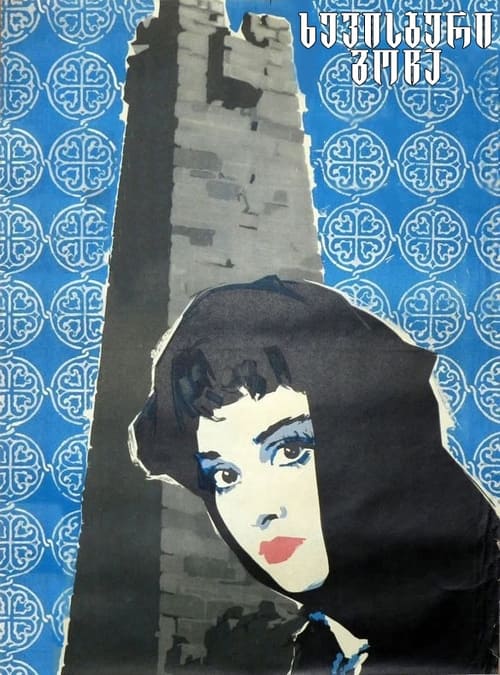
Law of Mountains is a 17th-century period drama that examines the tension between personal desires and societal obligations. The narrative centers on the struggle for communal autonomy against external military threats, particularly those posed by Prince Eristavi's forces. While the film offers a strong sense of regional identity and resistance against centralized power, it remains confined by the social hierarchies of its time. The depiction of gender and romance adheres to traditional patterns typical of historical epics. Ultimately, the film's value lies in its exploration of sovereignty and the moral complexities of duty rather than modern representations of diverse identities.
Category Breakdown
The film focuses on traditional romantic relationships and unrequited love. It does not include any non-cisgender identities or challenge the idea that everyone is straight.
Women like Dzija are influenced by the decisions of their relatives regarding marriage. The main conflict revolves around a male-led struggle for territory.
The story centers on a specific Georgian mountaineer identity. It explores the customs and culture of this non-Western European group.
The narrative emphasizes the defense of a community's freedom against invaders. It highlights the importance of local sovereignty and communal autonomy.
The film does not provide any information about the portrayal of physically or mentally disabled individuals.
Present on Screen
Limited or Absent
Official Synopsis
The film takes place in the 17th century. Even during the wedding of his friend Google, Onise realized that he loved his wife Dzija. But he swore to be her brother and protect her. Anisa also liked Jiji more, but she did not like Gugu, she married him according to the will of her relatives. After a while, Prince Eristavi's troops marched on their free community. Among the freedom-loving mountaineers who stood up for their freedom, there were both friends. Father Onice. Havisbury Gotcha, instructed his son to guard the pass.
2017

1967
1967

1954
1966

1969
1957
2023
No reviews yet. Be the first to share your thoughts on this movie!
Use the rating form above to leave a star rating and optional review.