
The Serious Game
1945
No user ratings available yet
Representation score: 2.4 out of 10
Representation Score
Fair
1955
Director
Leonīds Leimanis, Pāvels Armands
Runtime
83 minutes
Average Rating
No ratings yetNew Showbiz Analysis
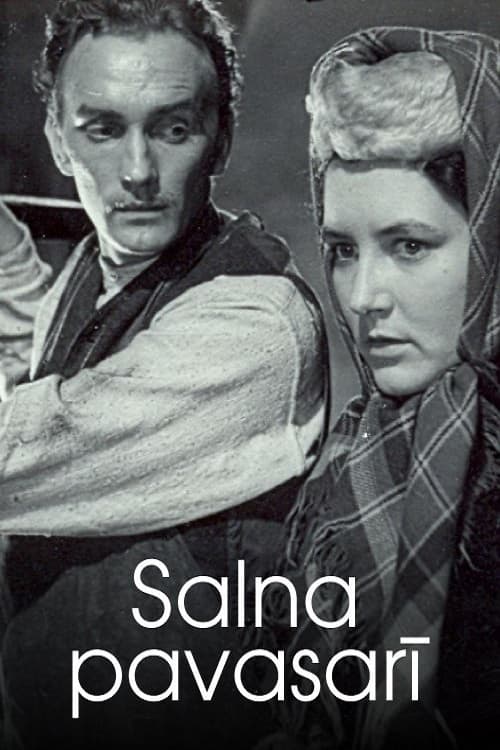
Springtime Frost is a period drama that emphasizes class struggle and personal growth over demographic diversity. While it does not include modern representations of multi-layered identities, it successfully challenges traditional gender roles through its protagonist's development. The film's strength lies in its character-driven exploration of social stratification and psychological evolution. By focusing on a woman's journey through widowhood and class tensions, it moves beyond simplistic romantic narratives. However, the film remains confined by its historical context and the cinematic norms of its time. It lacks representation of LGBTQ+ identities and ethnic diversity, reflecting the specific regional and temporal setting of Latvia.
Category Breakdown
The film focuses on a heterosexual relationship involving a maidservant, a farmhand, and a landowner. There are no same-sex relationships or characters with diverse gender identities.
Madara's journey from romantic vulnerability to hardened autonomy provides a nuanced look at a woman's strength within the strict social hierarchy of nineteenth-century Latvia.
The film reflects the ethnic homogeneity of late nineteenth-century Latvia, focusing more on class distinctions than on a diverse cast of characters.
The story contrasts the working class with the landed gentry, avoiding overly sentimental clichés and instead presenting a more complex and realistic emotional landscape.
The film does not depict any characters with visible or invisible disabilities, nor does it address these issues in the plot or character arcs.
Present on Screen
Limited or Absent
Official Synopsis
The end of nineteenth century. Maidservant Madara is in love with farmhand Andrs, yet she marries a rich and old household owner. As time passes, her heart hardens and things get complicated when Andrs returns to the neighborhood and Madara's husband dies leaving her widowed with a son.
1945

1950
1957
1953

1911
1939
2000
1958
No reviews yet. Be the first to share your thoughts on this movie!
Use the rating form above to leave a star rating and optional review.