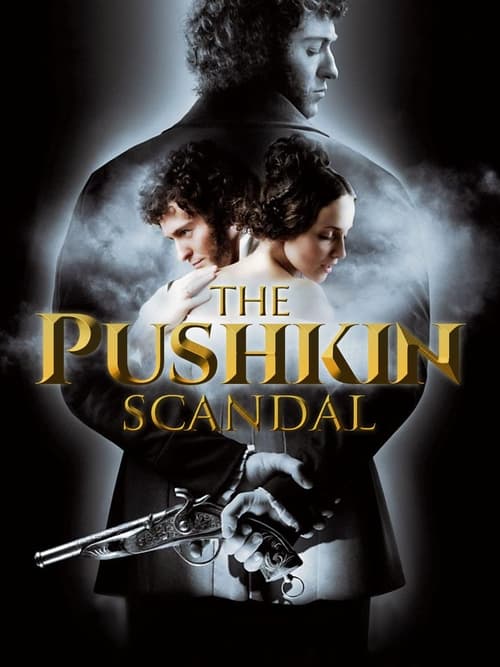
Pushkin: The Last Duel
2006
No user ratings available yet
Representation score: 4.0 out of 10

Representation Score
Limited
1927
Director
Yevgeni Chervyakov, Vladimir Gardin
Runtime
95 minutes
Average Rating
No ratings yetNew Showbiz Analysis
The film serves as a historical critique of Tsarist autocracy rather than a modern exploration of diverse representation. It prioritizes the deconstruction of monarchical hierarchies over contemporary diversity markers. While the narrative lacks racial and LGBTQ+ diversity, it offers a progressive perspective on institutional power. The story presents the state as a source of corruption, emphasizing individual integrity against systemic oppression. Ultimately, the film's strength lies in its anti-authoritarian themes, even as it remains confined by the social and ethnic homogeneity of its historical context.
Category Breakdown
The film does not include any LGBTQ+ characters or non-straight identities. The plot centers around traditional marital conflicts and romantic rivalries.
Women play key roles in driving the central conflict through social and romantic maneuvering. Characters like Natalia and Ekaterina navigate predatory interests within a restrictive patriarchal system.
The setting reflects the homogeneous social structures of the 19th-century Russian court. The narrative emphasizes the specific ethnic and class hierarchies of the time.
The film provides a strong critique of imperial institutions. It portrays the Tsar as a manipulative figure, highlighting the struggle of individuals against corrupt systemic power.
There are no visible or invisible disabilities depicted as central to the character arcs or the plot progression.
Present on Screen
Limited or Absent
Official Synopsis
Tsar Nicholas I is enamoured by Natalia, the wife of Alexander Pushkin. To cover his tracks, the tsar encourages the suit of Georges d'Anthès, a French officer, with the help of Count Alexander von Benckendorff. Pushkin hears rumours of D’Anthès’s love for his wife and challenges him to a duel.
2006

2016
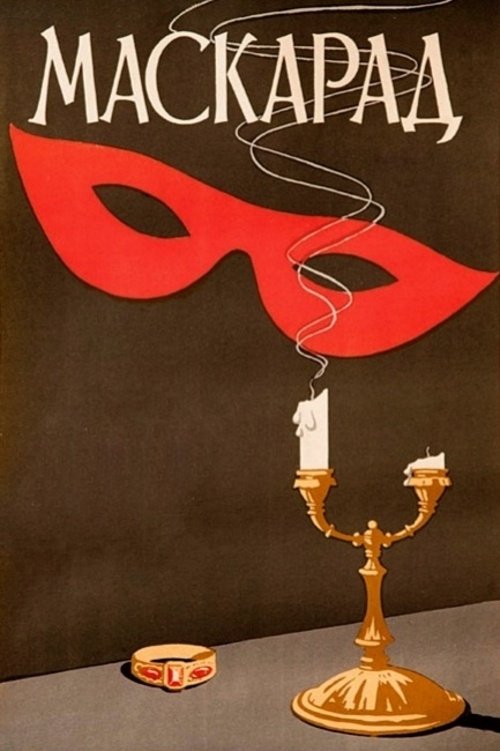
1941
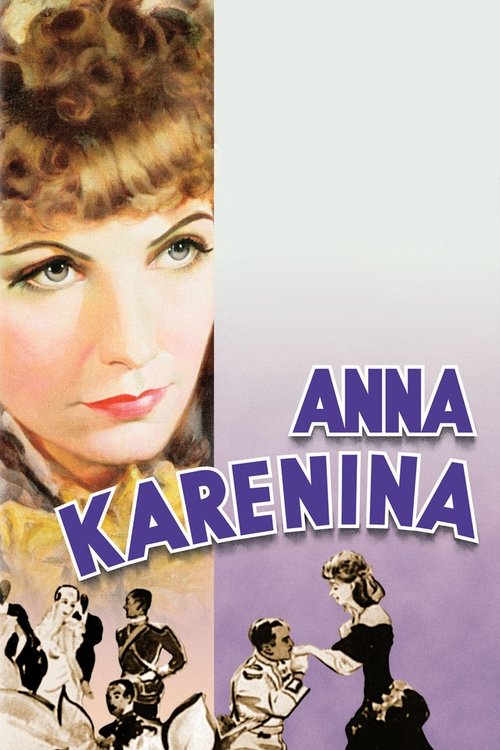
1935

1911
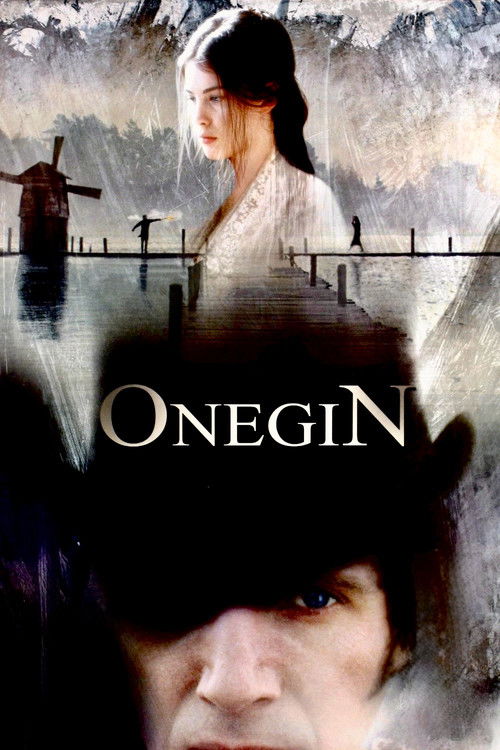
1999
1926
1976
No reviews yet. Be the first to share your thoughts on this movie!
Use the rating form above to leave a star rating and optional review.