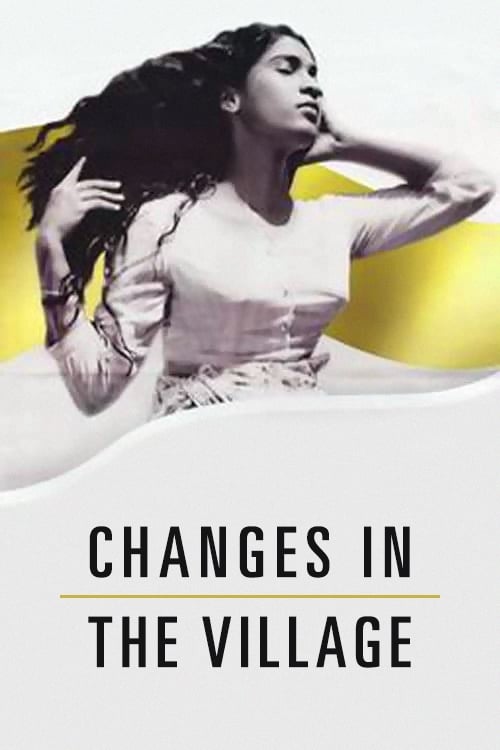
Changes in the Village
1963
No user ratings available yet
Representation score: 4.1 out of 10
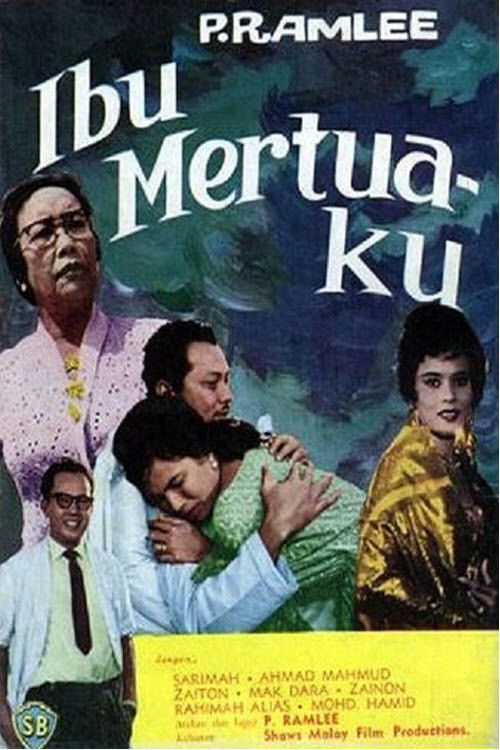
Representation Score
Limited
1962
Director
P. Ramlee
Runtime
120 minutes
Average Rating
No ratings yetNew Showbiz Analysis
P. Ramlee uses this drama to challenge entrenched social hierarchies and the rigidity of class distinctions. The film's strength lies in its critique of how economic status affects human connections. While it adheres to the traditional social and gender frameworks of 1962, it avoids being a straightforward melodrama. By focusing on a dominant matriarch, it provides a nuanced look at domestic power structures. However, the film remains culturally specific and straight-centered, lacking racial diversity and LGBTQ+ representation, reflecting the cinematic constraints and social norms of its time.
Category Breakdown
The film features a traditional romantic pairing between Kassim Selamat and Sabariah, following the straight-centered social structures of its 1962 setting without any queer undertones.
A strong female character drives the plot, challenging the stereotype of passive women. The narrative also delves into the vulnerability of the male protagonist as his control over the story is limited by family dynamics.
This film is a culturally specific Malay production reflecting its era’s demographics. It offers an authentic look at Malay social structures without blending multiple ethnicities.
The story critiques an unofficial caste system and the corrupting influence of materialism based on social class. It shifts from comedy to tragedy to highlight the harshness of social divisions.
There are no prominent depictions of physical or neurodivergent disabilities that serve as central character traits or drive the narrative.
Present on Screen
Limited or Absent
Official Synopsis
The film's story revolves around the tragic love affair between Kassim Selamat, a poor musician, and Sabariah, the only daughter of a wealthy woman. The movie is notable in that the opening act starts out as a light-hearted romantic comedy, but at the 30 minute mark turns into a dramatic tragedy. Like a number of P. Ramlee's works, the film criticizes the unofficial caste system that separates the wealthy from the poor.
1963

1958
1974
1963

1960

1961
1954
1965
No reviews yet. Be the first to share your thoughts on this movie!
Use the rating form above to leave a star rating and optional review.