Olga My Love
1968
No user ratings available yet
Representation score: 2.8 out of 10
Representation Score
Fair
1963
Director
Lester James Peries
Runtime
105 minutes
Average Rating
No ratings yetNew Showbiz Analysis
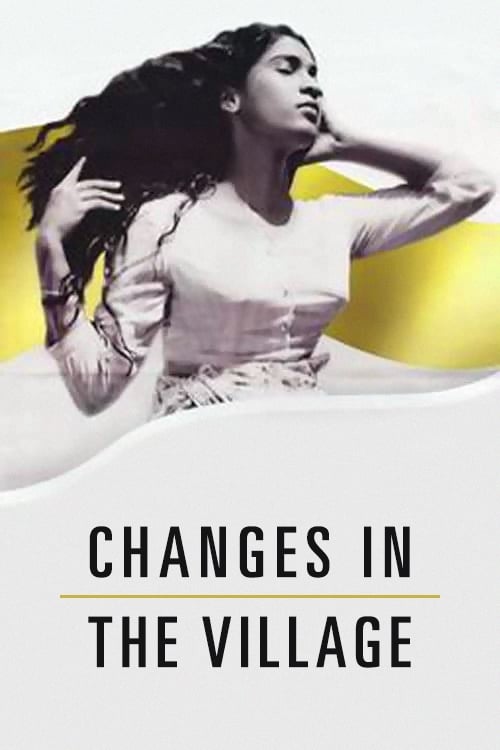
Lester James Peries’s *Gamperaliya* is a sophisticated work of social realism that prioritizes changes in social class over typical romantic melodrama. It successfully deconstructs the idealized family unit by showing how traditional social orders inevitably decay. The film excels in its authentic portrayal of Sri Lankan social hierarchies and its critique of the capitalist drive for upward mobility. It moves away from colonial-era homogeneity to focus on local, indigenous dynamics. However, the narrative remains rooted in traditional romantic structures and lacks engagement with contemporary identity politics. The focus is strictly on the tension between class, economics, and traditional marriage.
Category Breakdown
The film focuses on traditional romantic relationships and societal marriage pressures. It does not include non-cisgender identities or challenge straight-centered assumptions.
Nanda faces patriarchal decisions about her marriage. The film highlights the psychological impact of these constraints and the eventual breakdown of traditional family structures.
As a cornerstone of Sri Lankan cinema, the film features a non-Anglo-Saxon cast. It offers an authentic look at local class divisions and indigenous social dynamics.
The story critiques rigid social institutions and the pursuit of wealth. It suggests liberation from societal expectations can only come through dismantling traditional class structures.
There are no visible or invisible disabilities central to the character arcs or the plot progression.
Present on Screen
Limited or Absent
Official Synopsis
Piyal is a handsome young teacher who is hired to teach English to Nanda, a member of a high class family. They fall in love, but can't elope because Piyal is of a lower class. Nanda's parents instead push her into a marriage with Jinadasa, who is of the same class as them. With economic downturn in Sri Lanka, both families lose their status and Jinadasa leaves to try to make a better life for himself; he never achieves his goal and dies penniless. Piyal and Nanda can now finally come together. They have changed however, and the earlier idylic nature of their relationship is not recaptured.
1968

1961
1974
1959
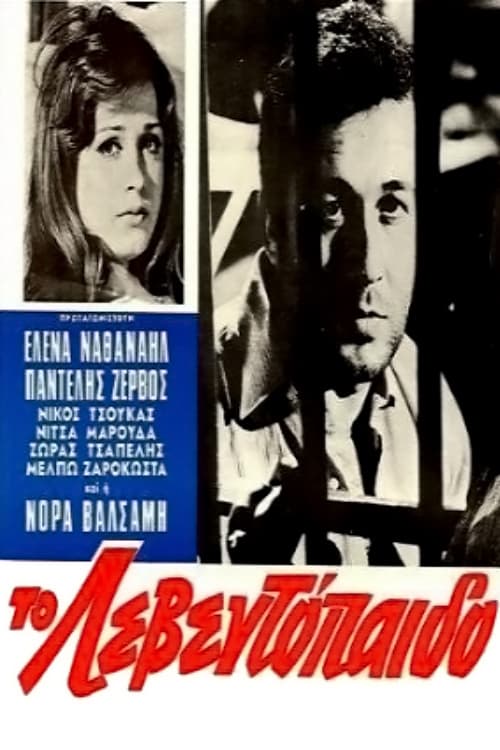
1969
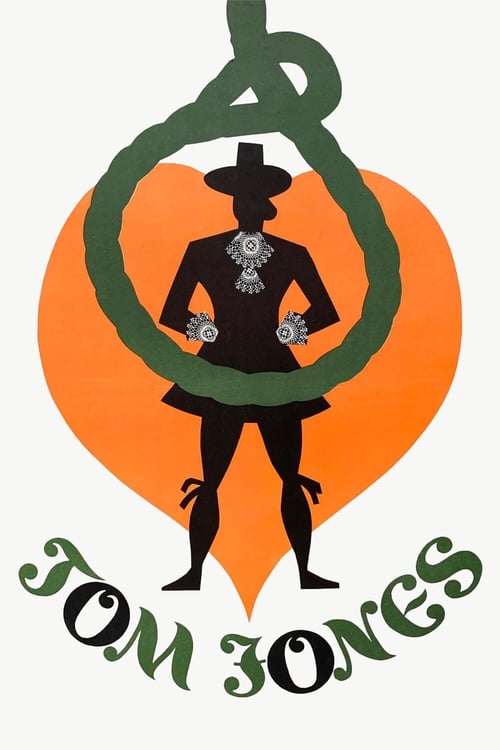
1963
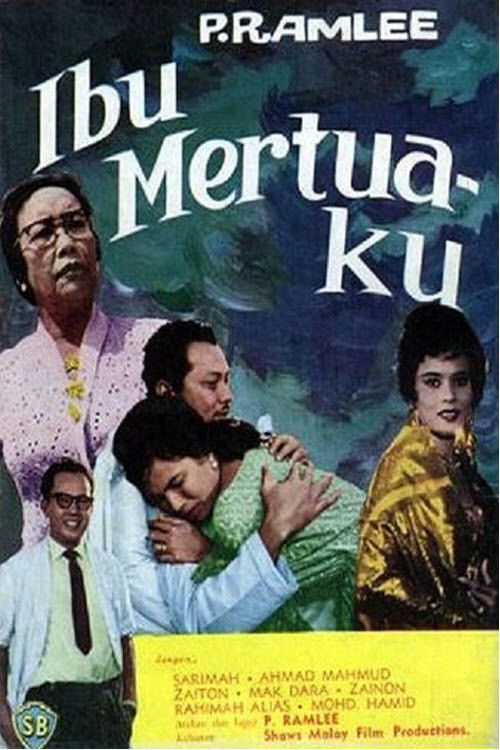
1962
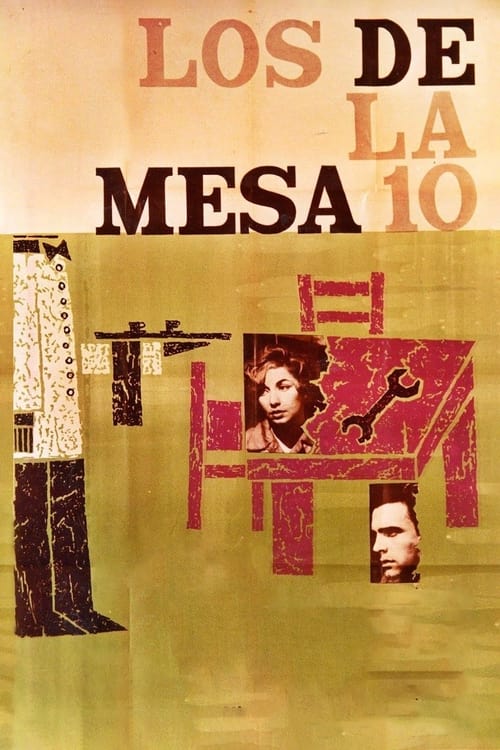
1960
No reviews yet. Be the first to share your thoughts on this movie!
Use the rating form above to leave a star rating and optional review.