Fatal Assistance
2013
No user ratings available yet
Representation score: 6.9 out of 10
Representation Score
Fair
2020
Director
Jørgen Leth
Runtime
80 minutes
Average Rating
No ratings yetNew Showbiz Analysis
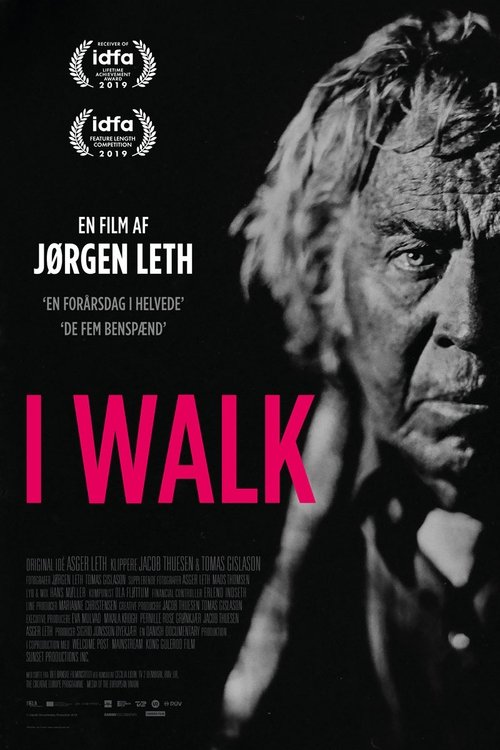
I Walk is an intensely personal, auteur-driven documentary that prioritizes the internal psyche of Jørgen Leth. Because the film functions as a study of individual trauma and existential processing, it lacks the traditional character arcs or diverse casting found in scripted narratives. The work does not actively exclude specific groups through malice, but its narrow focus on a single man's survival in Haiti limits its capacity for systemic social commentary. It is a poetic, observational piece rather than a vehicle for demographic representation. Ultimately, the film's diversity is constrained by its genre. It trades the complexity of overlapping identities for a deep, idiosyncratic dive into the filmmaker's own psychological response to catastrophe.
Category Breakdown
There are no LGBTQ+ characters or narratives addressing non-straight relationships in the film. The focus is on the director's internal struggle.
The film centers on a single male perspective. It does not provide meaningful roles for characters of different genders.
The film is set in Haiti, introducing a non-Western context. However, it is unclear if the local population is explored deeply or serves as a mere backdrop.
The story emphasizes personal struggle over religious or institutional frameworks. It leans toward a secular, subjective experience of environmental disruption.
The film explores the psychological aftermath of a disaster, focusing on mental health and trauma. However, the specific portrayal of ability to act remains unverified.
Present on Screen
Limited or Absent
Official Synopsis
Documentary about Danish filmmaker, sports journalist and poet Jørgen Leth who struggles after surviving a major earthquake in Haiti.
2013

2016

2003

2003
2015

2020
2006

2008
No reviews yet. Be the first to share your thoughts on this movie!
Use the rating form above to leave a star rating and optional review.