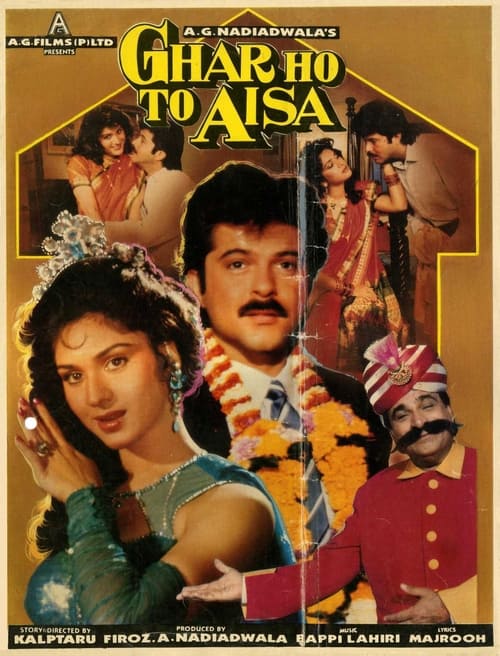
Ghar Ho To Aisa
1990
No user ratings available yet
Representation score: 2.0 out of 10
Representation Score
Fair
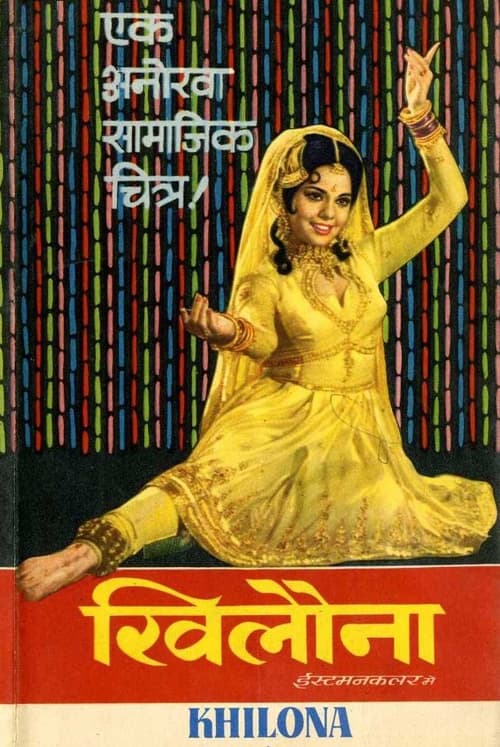
1970
Director
Chander Vohra
Runtime
160 minutes
Average Rating
No ratings yetNew Showbiz Analysis
Khilona is a heavy melodrama that examines the breakdown of traditional family structures through a tragic lens. While it challenges the idealized family by showing domestic cruelty, it does so through a focus on personal suffering rather than empowerment. The film employs underrepresented figures such as the courtesan and the mentally unstable son primarily as plot devices, which limits a deeper exploration of their identities. Overall, the work adheres to the conventional social hierarchies of 1970s cinema, emphasizing individual psychological collapse and the consequences of rigid social structures.
Category Breakdown
The film focuses on a heterosexual love story without any representation of LGBTQ+ identities or subtext.
Women are portrayed primarily as victims of systemic abuse and lack control over their situations. Despite being central, Chand faces sexual assault and oppression from the patriarchal family structure.
The setting is depicted as homogeneous, with a courtesan serving as an outsider figure. Her role is more about reinforcing stereotypes than offering a nuanced perspective.
The story highlights the oppressive nature of the traditional family unit, emphasizing domestic cruelty and moral dilemmas rather than broader societal critiques.
Mental health issues are used as a plot device, focusing on Vijaykamal's psychological collapse and confinement rather than a detailed character study.
Present on Screen
Limited or Absent
Official Synopsis
Thakur Suraj Singh lives a wealthy lifestyle with his wife; three sons - Kishore, his wife Laxmi & two children Pappu and Laali; Vijaykamal, & Mohan; and an unmarried daughter, Radha. Kishore looks after the family business, while Vijaykamal is a renowned poet, and Mohan is studying law in the city. Vijaykamal is in love with lovely Sapna, but she is forced to marry Bihari, and kills herself on the night of the marriage. Vijaykamal witnesses her death and loses his mind. The family decide to keep him under lock and key on the terrace of their house. Unable to admit Vijaykamal to a mental asylum, Suraj brings home a young courtesan, Chand, who he hopes will cure Vijaykamal, and she does succeed considerably, but is traumatized, sexually assaulted by Vijaykamal, and abused by the rest of the family.
1990
1961
1974
1960
1954

1983
1991
2006
No reviews yet. Be the first to share your thoughts on this movie!
Use the rating form above to leave a star rating and optional review.