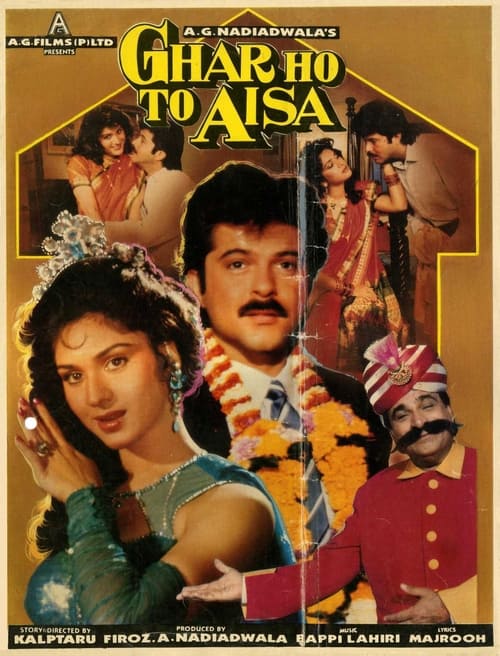
Ghar Ho To Aisa
1990
No user ratings available yet
Representation score: 2.0 out of 10
Representation Score
Fair
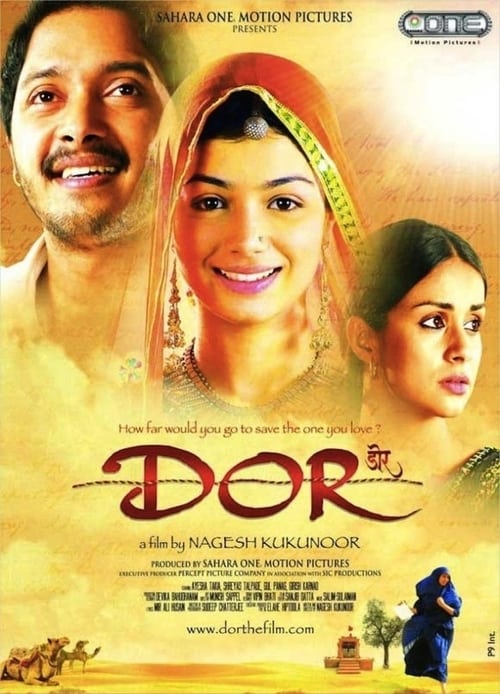
2006
Director
Nagesh Kukunoor
Runtime
124 minutes
Average Rating
No ratings yetNew Showbiz Analysis
Dor is a critical look at the dominance of patriarchal structures and the enforcement of societal norms. It challenges typical family dramas by focusing on a woman's fight for autonomy against a rigid, traditional framework. The film effectively dismantles the concepts of honor and shame, using the protagonist's journey to reveal the harshness of communal scrutiny. It offers a compelling critique of how traditional families can be sites of gender-based oppression. While the film excels in its cultural and gender-focused analysis, it lacks representation of LGBTQ+ identities and does not prominently feature characters with disabilities.
Category Breakdown
The film does not include any identifiable LGBTQ+ characters or stories that challenge traditional sexual norms.
The movie challenges traditional gender roles by giving the female lead a strong role in driving the story. It criticizes systems that try to limit women's freedom by policing their behavior.
The film showcases a predominantly South Asian cast, highlighting the unique cultural and ethnic aspects of Rajasthan. It avoids presenting a homogenized view by focusing on a specific socio-ethnic context.
The story presents traditional social and religious practices as oppressive rather than supportive. It highlights the hypocrisy of a community that enforces moral standards through mental and emotional abuse.
The film does not feature characters with disabilities as key elements of the narrative.
Present on Screen
Limited or Absent
Official Synopsis
Two woman, from different backgrounds and living miles apart, are linked by tragedy. Their new-found friendship is tested as one holds the fate of the other's husband in her hands.
1990

2004
1974

2017

2020

2005

1998

2023
No reviews yet. Be the first to share your thoughts on this movie!
Use the rating form above to leave a star rating and optional review.