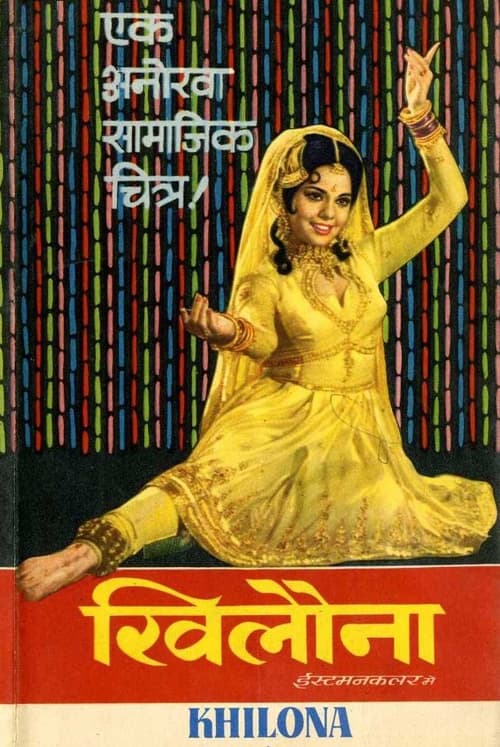
Khilona
1970
No user ratings available yet
Representation score: 5.0 out of 10
Representation Score
Minimal
1990
Director
Kalpataru
Runtime
155 minutes
Average Rating
No ratings yetNew Showbiz Analysis
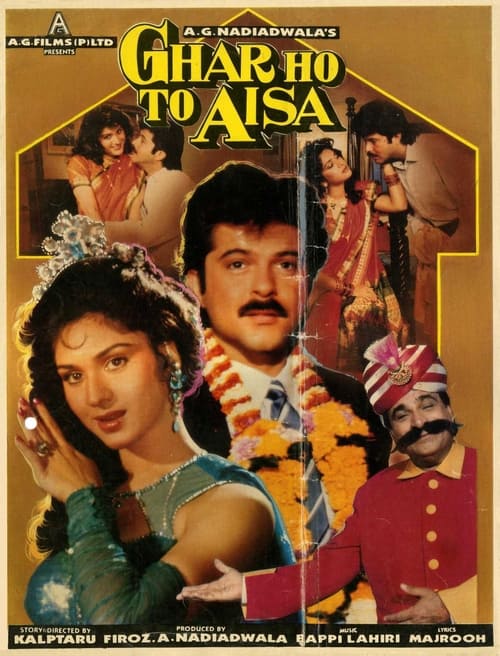
Ghar Ho To Aisa is a traditional domestic melodrama that focuses on intense interpersonal cruelty rather than social progress. While it depicts extreme domestic violence, it does so through a lens of tragedy rather than a structural critique of patriarchy. The film upholds conventional hierarchies and the sanctity of the family unit. It lacks representation for LGBTQ+ identities and does not feature characters with disabilities. Ultimately, the work operates within the established social norms of 1990s commercial Indian cinema, prioritizing heightened emotional conflict over challenging systemic inequalities.
Category Breakdown
The film follows strict conventions that assume everyone is straight or cisgender. There is no depiction of non-binary gender identities or same-sex relationships.
Gender dynamics are defined by a rigid hierarchy where women compete for power within the family. This reinforces traditional power struggles.
The cast is ethnically uniform, reflecting the specific Indian cultural context. The film does not challenge the ethnic status quo.
The narrative is grounded in traditional views of the ideal home and familial duties. It frames conflicts through the lens of traditional family morality.
No visible or invisible disabilities are central to the character arcs or narrative development.
Present on Screen
Limited or Absent
Official Synopsis
The Kumar family consists of Ramprasad, his wife, Durga; their married son, Vijay, his wife, Sharda, their daughter, Pinky; a married daughter who lives with them, Kanchan, her husband, Bajrangi, and a son; an unmarried and unemployed son, Amar. Save for Bajrangi and Amar everyone else likes to bully and abuse Sharda and make her do all the house-work, especially Kanchan and Durga who don't even need an excuse to beat, slap her, and even burn her arm in scalding hot water. Amar finds a job with Dwarkaprasad, and falls in love with his daughter, Seema. One day Amar has to be go to Delhi, and four days later when he returns home he finds that Sharda and Pinky are missing, and Sharda's mom, Devki, is dead. He frantically searches for them and comes across their dead bodies. The question remains how did Devki die, and how were Sharda and Pinky killed?
1970
2003
1983
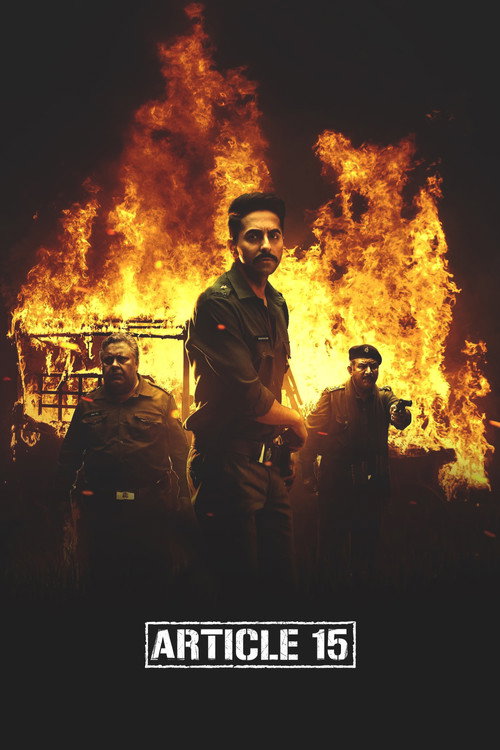
2019
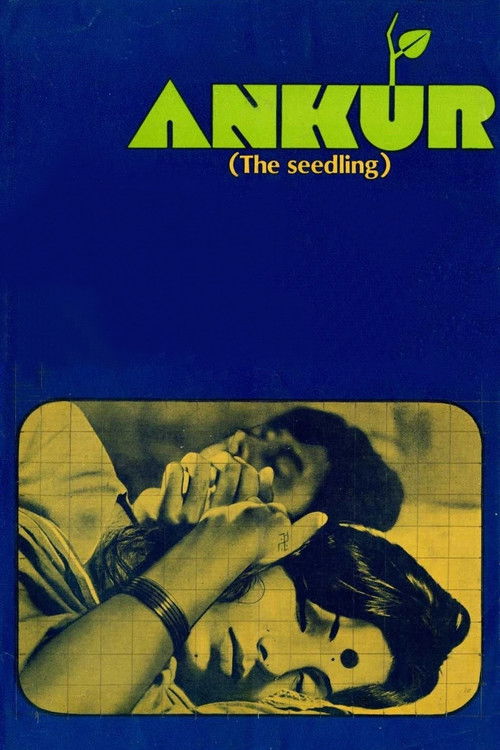
1974
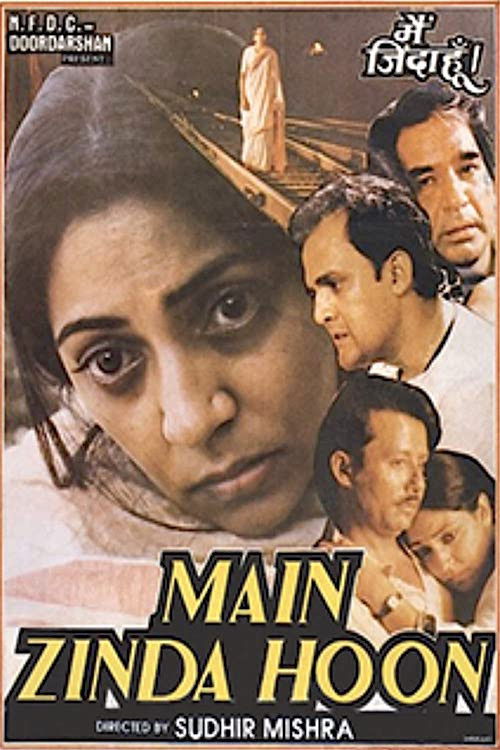
1988
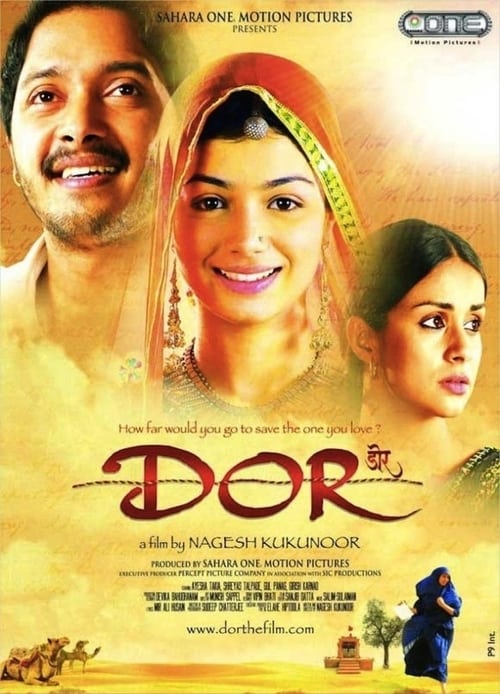
2006
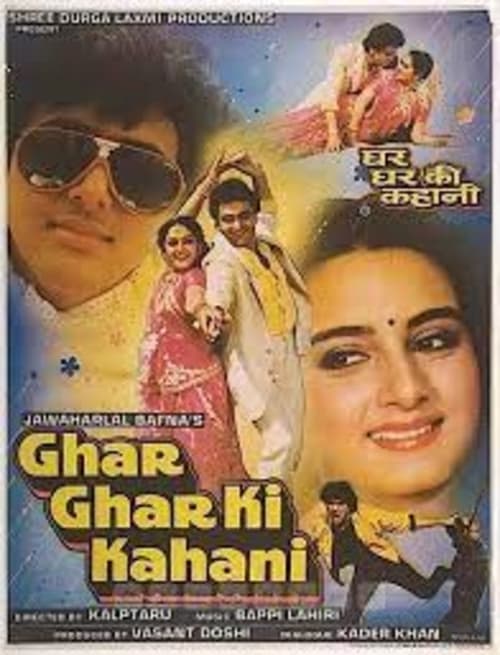
1988
No reviews yet. Be the first to share your thoughts on this movie!
Use the rating form above to leave a star rating and optional review.