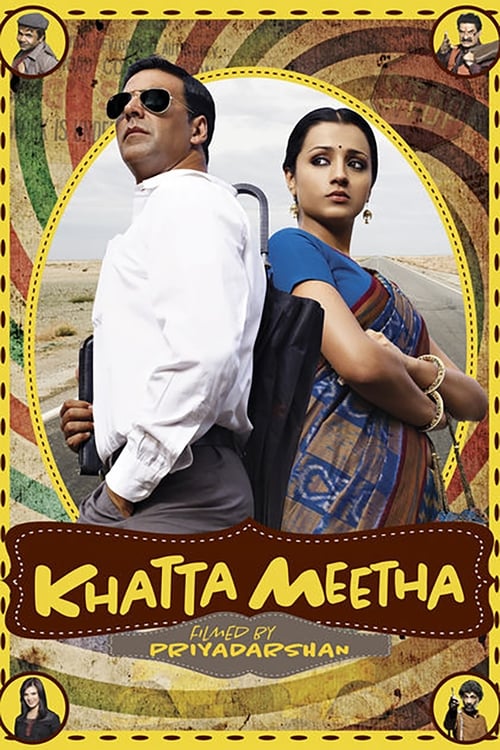
Khatta Meetha
2010
No user ratings available yet
Representation score: 6.2 out of 10

Representation Score
Excellent
1991
Director
Kumar Shahani
Runtime
121 minutes
Average Rating
No ratings yetNew Showbiz Analysis
Kasba offers a sophisticated critique of systemic corruption and patriarchal structures. By focusing on the business operations through a female character, the film challenges traditional gender hierarchies and explores ability to act within a corrupt system. The narrative excels at presenting realistic social conditions, especially through its depiction of a neurodivergent family member and its focus on regional Indian socio-economics. It avoids mainstream commercial clichés in favor of a grounded, moralistic exploration of small-town life. However, the film does not explicitly represent LGBTQ+ identities or queer relationships.
Category Breakdown
The main plot does not include any characters with non-straight or non-cisgender identities, nor does it depict any queer relationships.
Tejo, the daughter-in-law, plays a key role in running the family's illegal business. This position challenges the typical expectation of women being passive by giving her a strong role in the story.
The film highlights non-Western viewpoints and local economic conditions. It presents a localized, non-Anglo-centric view of capitalism through a detailed look at regional identity.
The story questions traditional institutions and unregulated capitalism using a morally relative perspective. It avoids idealized family clichés by showing a complex, non-traditional family structure.
The inclusion of a son with mental challenges brings neurodivergence into the family dynamics. This character is part of the main social interactions rather than being used as a stereotype.
Present on Screen
Limited or Absent
Official Synopsis
The story centers around a small town entrepreneur named Maniram who makes a major profit by cheating people and selling them tainted food. His business is run by his daughter-in-law Tejo, who is married to Maniram's mentally challenged younger son. When Maniram's elder son comes back into town to get married, things start to go awry.
2010
2007

1974

1995
1973
1992
1988

2020
No reviews yet. Be the first to share your thoughts on this movie!
Use the rating form above to leave a star rating and optional review.