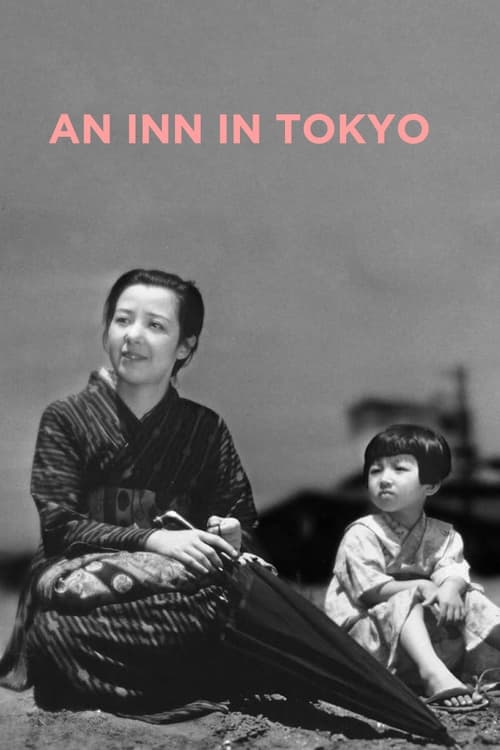
An Inn in Tokyo
1935
No user ratings available yet
Diversity score: 3.4 out of 10

1934
Director
Yasujirō Ozu
Runtime
74 minutes
Average Rating
No ratings yetSynopsis
A young man discovers that the woman who raised him is his stepmother. His stepbrother, who is unaware of the revelation, resents his mother for always punishing him more severely than his stepsibling.
Overall Score
Limited
Category Breakdown
LGBTQ+ Representation
The film operates within a strictly heteronormative framework. There is no evidence of same-sex intimacy or non-cisnormative identities within the narrative.
Gender Representation
The story explores maternal complexity and emotional agency. However, it remains tethered to traditional hierarchies, reinforcing the era's expectation of women as domestic anchors.
Racial & Ethnic Diversity
The film depicts a culturally homogeneous Japanese society. It lacks racial blending or casting that reflects anything beyond the specific ethnic reality of 1934 Japan.
Religious & Cultural Diversity
The narrative emphasizes familial duty and social cohesion. It reinforces traditional family structures and moral obligations rather than critiquing institutions or promoting secularism.
Disability Representation
There is no prominent depiction of physical or neurodivergent disabilities. The plot focuses on interpersonal familial conflict within a standard socioeconomic framework.
Strengths
Areas for Improvement
AI Analysis
Yasujirō Ozu’s 1934 drama is a period-specific study of domestic stability and Shōwa-era social hierarchies. While it offers a nuanced look at the emotional weight of maternal roles, the film does not attempt to subvert or disrupt the conventional social norms of its time. The narrative architecture is built around traditional kinship and reproductive family structures. This focus on the preservation of the household results in a lack of representation for marginalized identities, including LGBTQ+ individuals and diverse racial or ethnic groups. Ultimately, the film serves as a reflection of the cultural and social realities of early 20th-century Japan. It prioritizes the stability of the domestic unit over progressive or systemic social disruption.
1935
1934

1941

1915
1928

1933

1934

1938

1932
1915
1913

1930
No reviews yet. Be the first to share your thoughts on this movie!
Use the rating form above to leave a star rating and optional review.