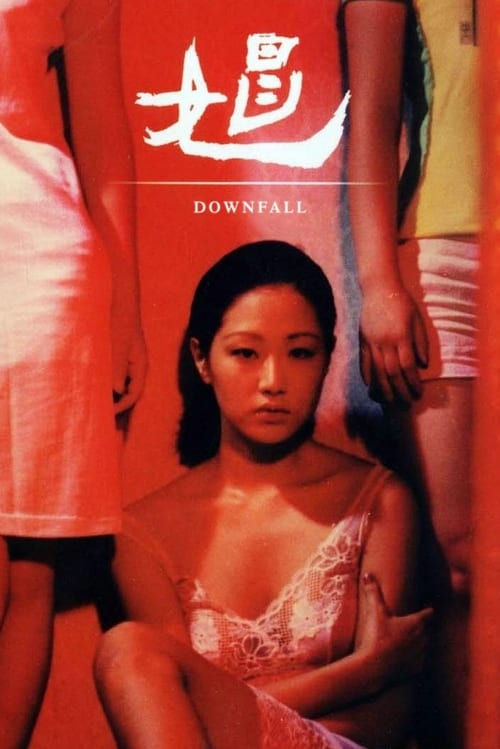
Downfall
1997
No user ratings available yet
Representation score: 7.5 out of 10

Representation Score
Fair
1986
Director
Im Kwon-taek
Runtime
108 minutes
Average Rating
No ratings yetNew Showbiz Analysis
Im Kwon-taek’s *Ticket* is a gritty work of social realism that focuses on the lives of women working in South Korean dabangs. By highlighting the commodification of female labor through the 'ticket' system, the film challenges traditional cinematic formulas of the nuclear family and moral purity. The film excels at portraying women as pragmatic agents navigating a precarious economic landscape. It avoids romanticizing the sex industry, instead providing a critical look at the power dynamics inherent in the informal economy. While the film lacks explicit LGBTQ+ representation and features a culturally homogeneous cast, its strength lies in its critique of patriarchal and capitalist exploitation.
Category Breakdown
The film does not explicitly show LGBTQ+ characters or non-cisgender identities. However, it challenges traditional ideas of domestic life by focusing on spaces where women survive independently.
Women are shown as active participants in a harsh economic environment rather than passive domestic figures. They navigate complex power dynamics with practical intelligence and play a significant role in driving the story.
The cast is culturally similar, reflecting the social reality of South Korea. It highlights non-Western social dynamics and labor issues within a regional context.
The narrative criticizes patriarchal and capitalist structures through social realism. It portrays the dabang system as a place where people are exploited economically.
There is no documented evidence of characters with visible or invisible disabilities.
Present on Screen
Limited or Absent
Official Synopsis
The lives of the women working in a "café" in a South Korean port town, where customers exchange tickets for services.
1997

1956
1963

1998

2012

1981

1988

2000
No reviews yet. Be the first to share your thoughts on this movie!
Use the rating form above to leave a star rating and optional review.