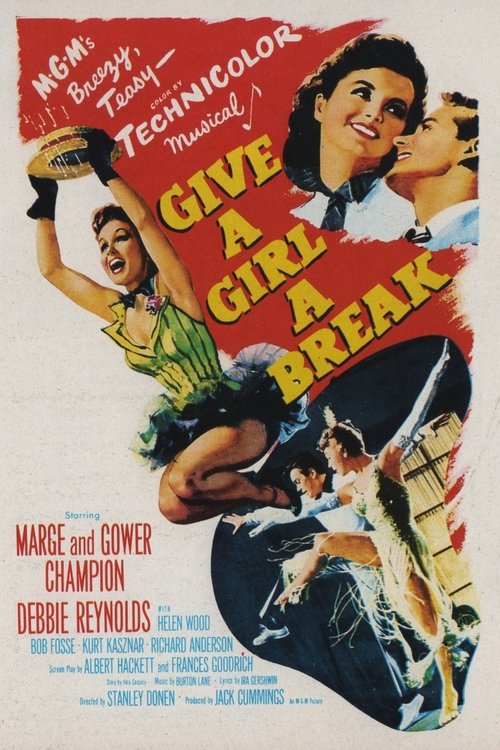
Give a Girl a Break
1953
No user ratings available yet
Diversity score: 2.3 out of 10
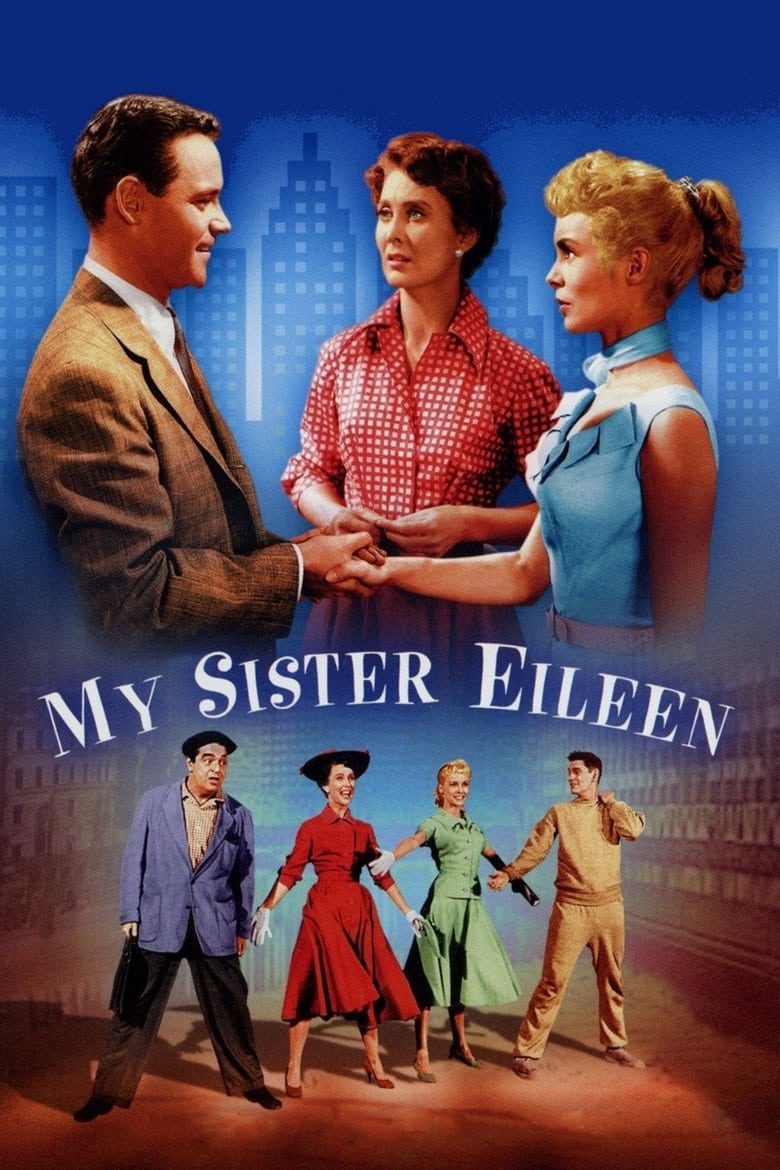
1955
NRDirector
Richard Quine
Runtime
108 minutes
Average Rating
No ratings yetSynopsis
Ruth and her beautiful sister Eileen come to New York's Greenwich Village looking for "fame, fortune and a 'For Rent' sign on Barrow Street". They find an apartment, but fame and fortune are a lot more elusive. Ruth gets the attention of playboy publisher Bob Baker when she submits a story about her gorgeous sister Eileen. She tries to keep his attention by convincing him that she and the gorgeous, man-getting Eileen are one and the same person.
Overall Score
Limited
Category Breakdown
LGBTQ+ Representation
The film adheres to strict heteronormative structures. Romantic entanglements focus entirely on male and female pairings, with no queer subtext or non-cisnormative identities present.
Gender Representation
The story centers on female agency and economic independence. By following two women navigating urban life for self-actualization, it disrupts traditional mid-century domestic hierarchies.
Racial & Ethnic Diversity
The production reflects 1950s Hollywood homogeneity. The cast is predominantly white, and the narrative lacks significant minority representation or color-blind casting.
Religious & Cultural Diversity
The film offers a lighthearted view of metropolitan life and capitalist aspirations. It operates within standard social frameworks without engaging in systemic critiques of Western institutions.
Disability Representation
There are no prominent depictions of visible or invisible disabilities. The narrative does not utilize disability as a central theme or provide meaningful representation.
Strengths
Areas for Improvement
AI Analysis
My Sister Eileen functions as a character-driven comedy of independence. Its primary strength lies in its gender dynamics, as the protagonists seek livelihoods outside traditional domestic roles, subtly challenging patriarchal hierarchies of the era. However, the film is limited by the demographic homogeneity of its time. It lacks intersectional representation, particularly regarding racial, LGBTQ+, and disability vectors, which keeps the overall score low. Ultimately, the film serves as a snapshot of mid-century social norms, prioritizing romantic tropes and Anglo-Saxon social experiences over systemic social critique.
1953
1953
1946

1944
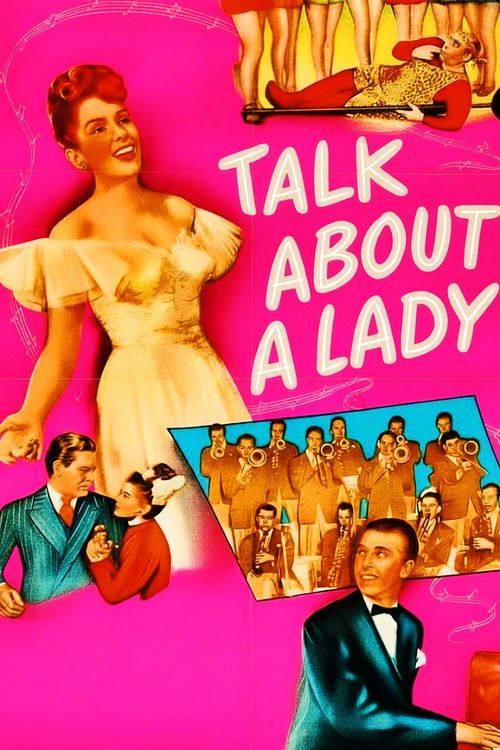
1946
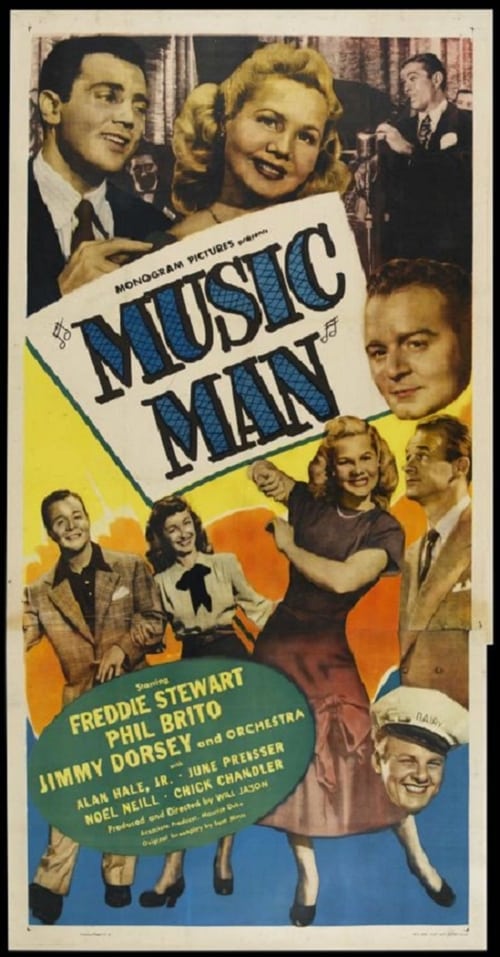
1948
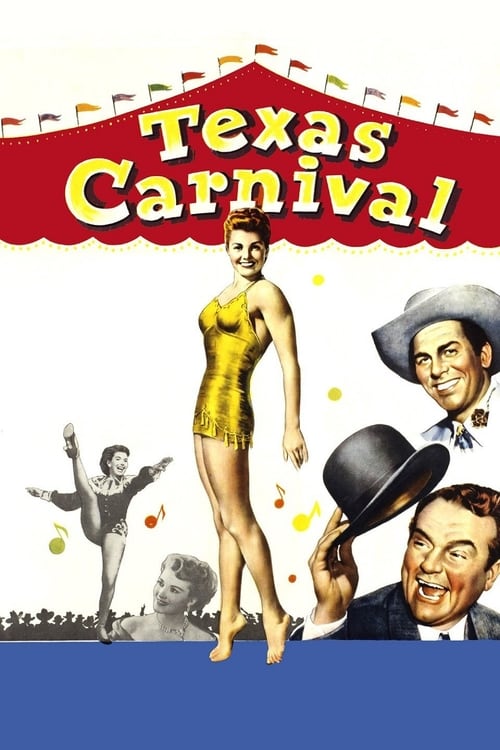
1951
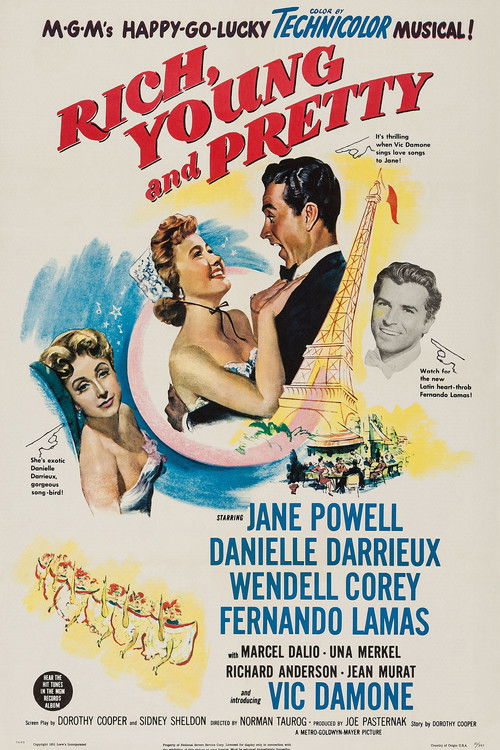
1951

1960
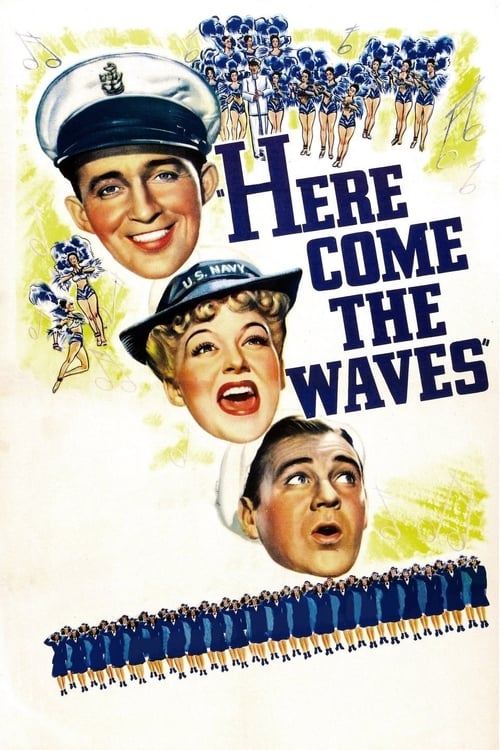
1944
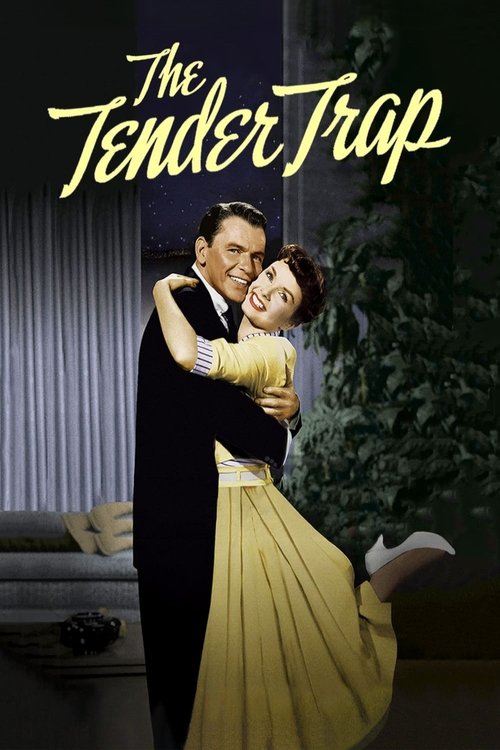
1955
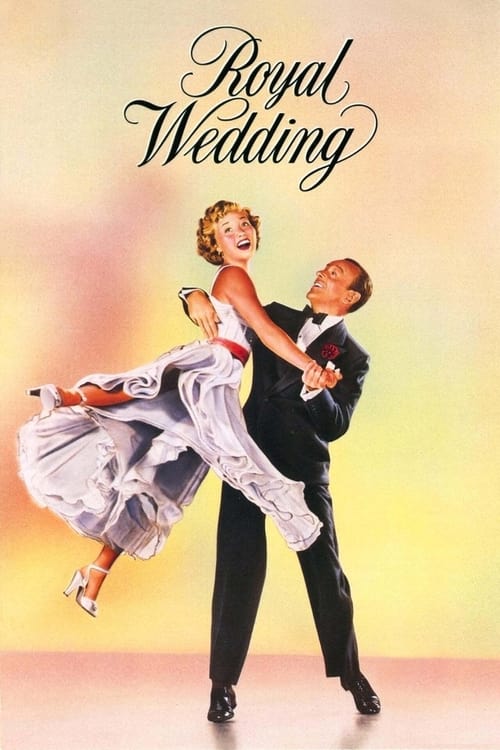
1951
No reviews yet. Be the first to share your thoughts on this movie!
Use the rating form above to leave a star rating and optional review.