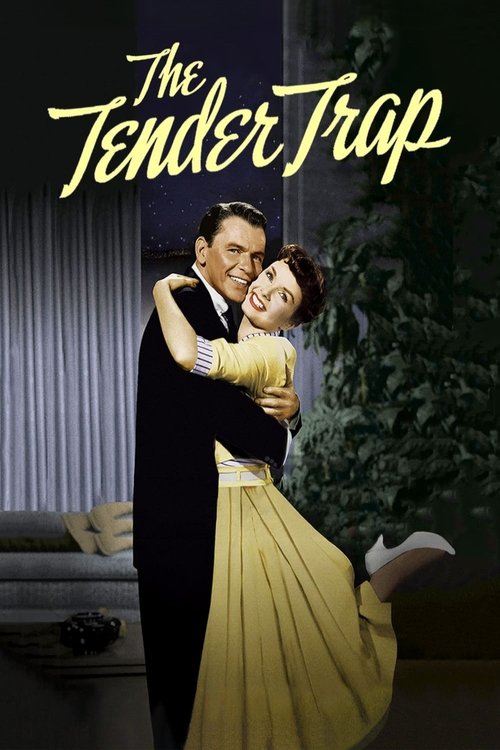
The Tender Trap
1955
No user ratings available yet
Diversity score: 1.4 out of 10

1944
ApprovedDirector
Mark Sandrich
Runtime
99 minutes
Average Rating
No ratings yetSynopsis
Show business twin sisters Rosemary and Susie, one serious and the other a scatterbrain, join the WAVES and both fall in love with crooner Johnny Cabot.
Overall Score
Minimal
Category Breakdown
LGBTQ+ Representation
The film adheres strictly to heteronormative romantic structures. There is no evidence of non-cisnormative identities or same-sex intimacy.
Gender Representation
Female protagonists show agency through their careers but are defined by a 'serious vs. scatterbrain' dichotomy. The plot reinforces conventional romantic hierarchies.
Racial & Ethnic Diversity
Casting is overwhelmingly homogeneous, reflecting the era's systemic exclusion of non-white performers. The setting maintains a narrow, Western-centric view.
Religious & Cultural Diversity
The narrative celebrates mid-century American institutions and traditional courtship. It reinforces the cultural status quo through escapist entertainment.
Disability Representation
No visible or invisible disabilities are portrayed. Characters are depicted through a lens of physical and mental normative perfection.
Strengths
Areas for Improvement
AI Analysis
Here Come the Waves is a quintessential product of the Golden Age of Hollywood. It prioritizes traditional social structures and homogeneous casting, offering little in the way of intersectional complexity. The film functions as a reinforcement of 1940s social hierarchies. By utilizing standardized romantic tropes and focusing on conventional socialite dynamics, it avoids any attempt to challenge the prevailing cultural or gendered norms of its time.
1955
1950
1944
1944

1948
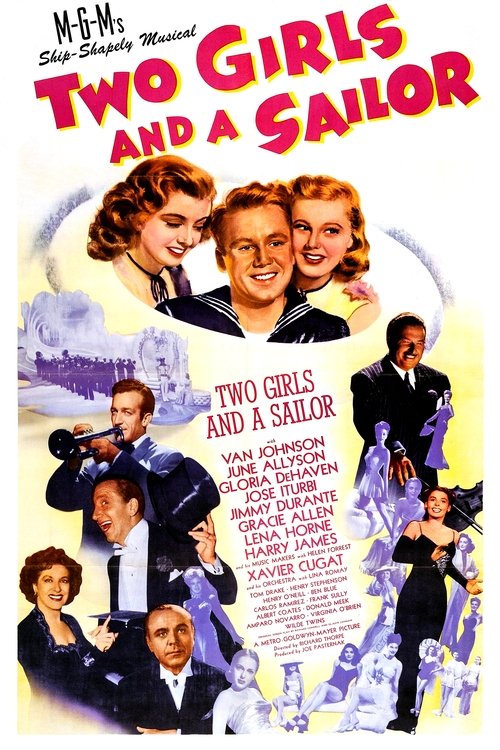
1944
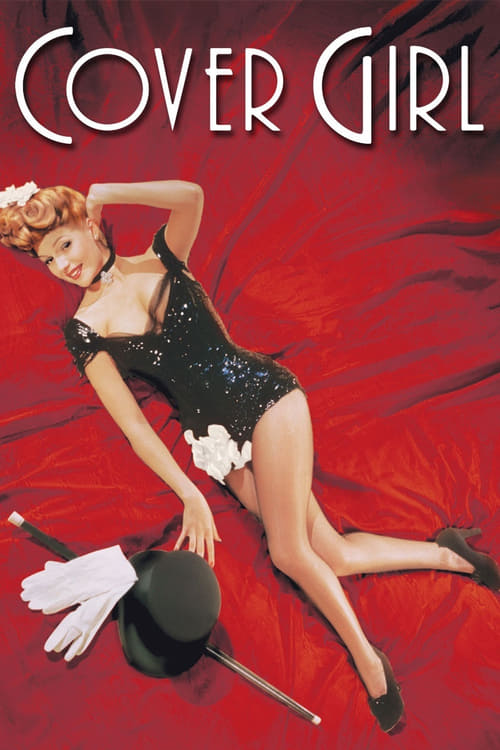
1944
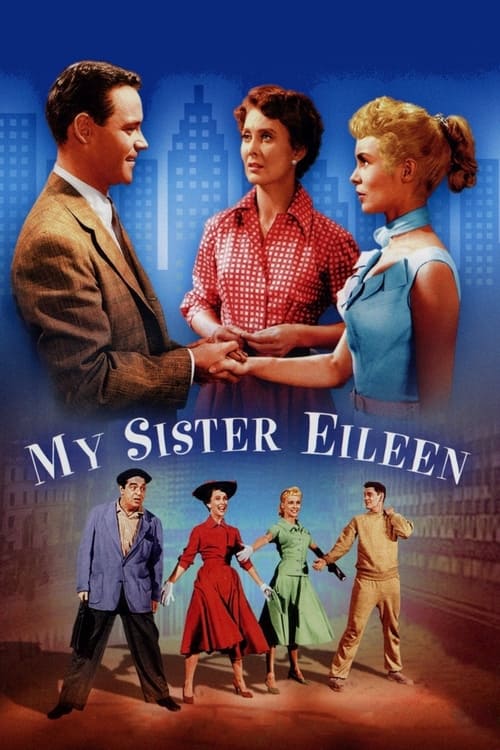
1955
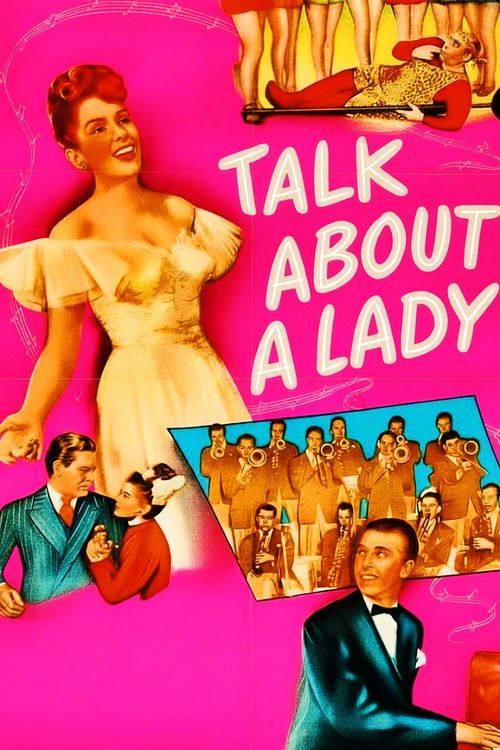
1946

1936
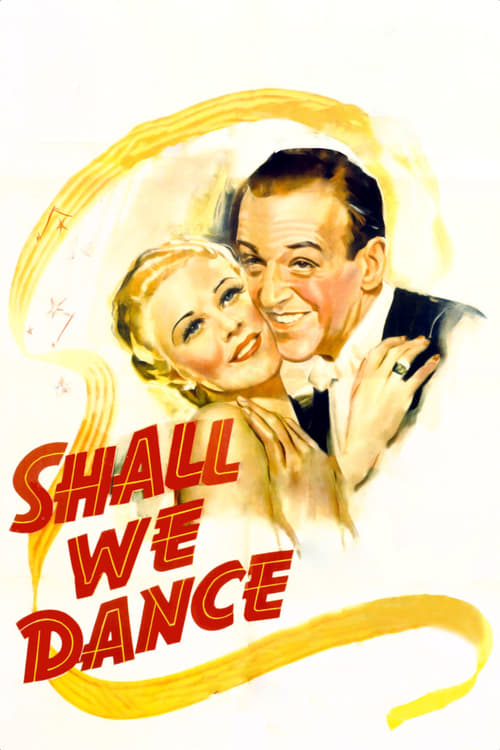
1937
No reviews yet. Be the first to share your thoughts on this movie!
Use the rating form above to leave a star rating and optional review.