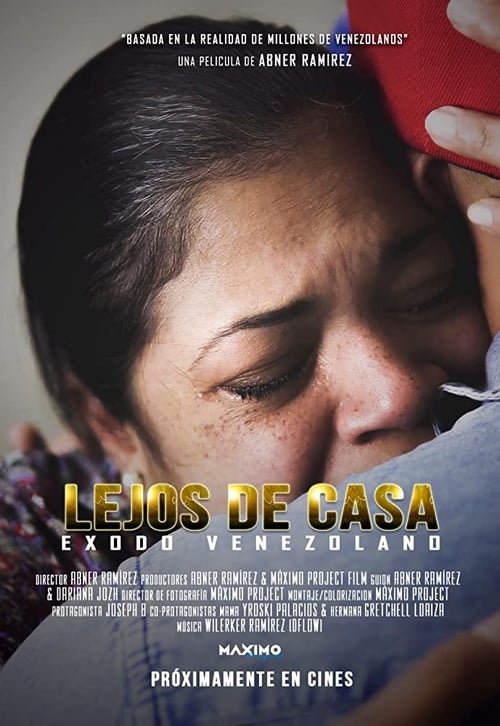
Far from Home: Venezuelan Exodus
2020
No user ratings available yet
Diversity score: 6.1 out of 10

2017
Director
Ernest R. Dickerson
Runtime
130 minutes
Average Rating
No ratings yetSynopsis
Double Play is about anolder man named Ostrik who returns to Curaçao and his childhood after many years abroad. Ostrik reminisces about 1973 and the events surrounding a game his father played which had major consequences for Ostrik’s youth. The dramatic poverty and colourful landscapes provide the background for the leads who represent Curaçao’s melting pot: a story of pride and humiliation, money and love, ambition and hope.
Overall Score
Good
Category Breakdown
LGBTQ+ Representation
The narrative focuses on Ostrik’s family history and interpersonal dynamics. There is no explicit evidence of queer identities or non-heteronormative characters within the story.
Gender Representation
The story centers on a patriarchal lineage, specifically the relationship between Ostrik and his father. Female agency is not explicitly detailed in the current overview.
Racial & Ethnic Diversity
The film disrupts Anglo-centric traditions by centering on Curaçao’s melting pot heritage. Characters of color drive the plot through their own cultural and historical specificities.
Religious & Cultural Diversity
The film utilizes a post-colonial framework to explore identity and systemic struggles. It prioritizes a non-Western perspective through the socioeconomic landscape of the Caribbean.
Disability Representation
There is no mention of characters navigating physical, neurodivergent, or mental health conditions. Consequently, no representation is visible in the provided details.
Strengths
Areas for Improvement
AI Analysis
Double Play serves as a meaningful departure from Western-centric cinematic structures. By centering the narrative on the historical and multicultural landscape of Curaçao, the film provides a platform for non-Western voices to drive the plot. The setting functions as more than a backdrop, acting as a vital component of the characters' identities and struggles. While the film excels in racial and cultural specificity, it remains limited in its exploration of gender and LGBTQ+ identities. The focus on patriarchal lineage and family history suggests a narrative more concerned with traditional social hierarchies than with diverse gender expressions. Ultimately, the film succeeds in deconstructing traditional power dynamics through its setting and casting. It offers a sophisticated look at how history and social status shape individual ambition and hope within a post-colonial society.
2020
2009

2022

1989

1974

2014

2016

2019
1989

2014

2010

2006
No reviews yet. Be the first to share your thoughts on this movie!
Use the rating form above to leave a star rating and optional review.