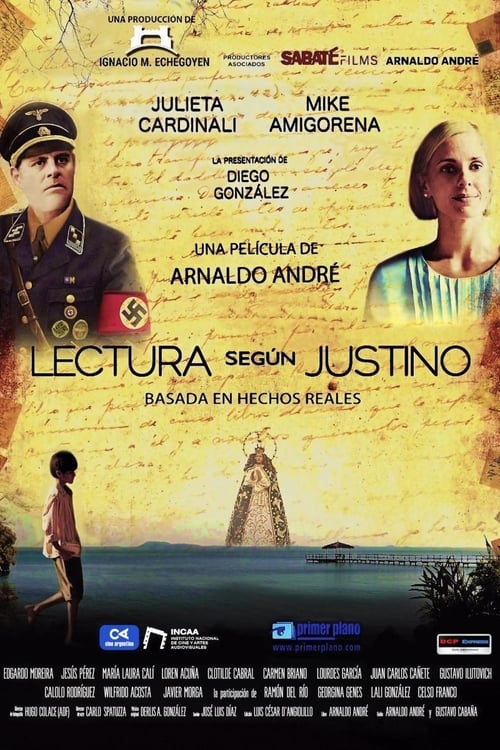
Lectura según Justino
2013
No user ratings available yet
Diversity score: 4.7 out of 10

2014
Director
André Ristum
Runtime
100 minutes
Average Rating
No ratings yetSynopsis
Nando, a 12 year old boy, narrates the adventures of his father Antonio, during the 60s in Brazil, who leaves the inland of the state of Minas to go to Brasília, a recently inaugurated city, but still with construction works in progress.
Overall Score
Fair
Category Breakdown
LGBTQ+ Representation
The film lacks explicit details regarding non-heteronormative identities. While the narrative focuses on personal adventures, it does not clearly highlight LGBTQ+ themes within its 1960s setting.
Gender Representation
The story centers on the male experiences of Antonio and Nando. It explores patriarchal migration patterns, though it may offer a nuanced look at masculinity through their emotional lives.
Racial & Ethnic Diversity
The film engages with Brazil's diverse ethnic tapestry through the lens of internal migration. It captures the demographic shifts occurring between the Minas Gerais hinterlands and the new capital.
Religious & Cultural Diversity
The narrative explores the friction between traditional regional heritage and the rapid modernization of Brasília. It highlights the tension between established social structures and state-driven progress.
Disability Representation
There is no evidence that disability serves as a central theme or a primary driver for the characters in this historical drama.
Strengths
Areas for Improvement
AI Analysis
The film functions as a character-driven historical drama that prioritizes the personal histories of a father and son. It succeeds in capturing the socio-political evolution of 1960s Brazil and the complexities of regional migration. However, the narrative remains heavily centered on the male experience and patriarchal movements. The lack of explicit focus on LGBTQ+ identities or disability representation limits its broader social scope. Ultimately, the film provides a nuanced study of identity within a changing national landscape, using the construction of Brasília to reflect shifting social structures.
2013

2014

2010
2020

1974

2003

2019
2006

1985

1984

2017
1960
No reviews yet. Be the first to share your thoughts on this movie!
Use the rating form above to leave a star rating and optional review.