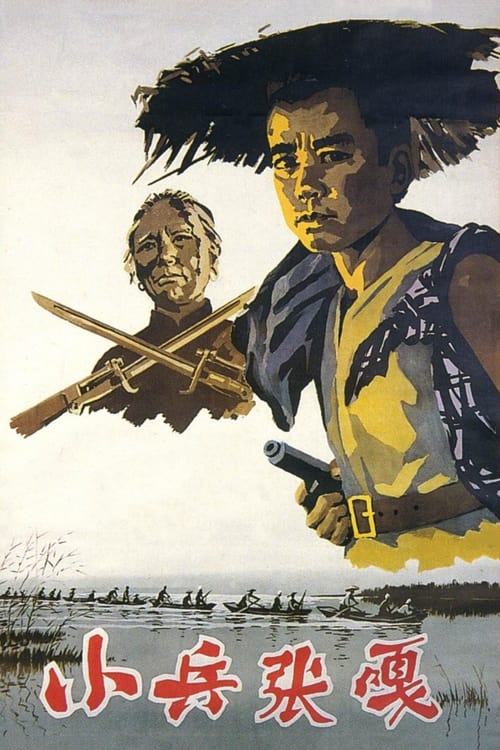
Zhang Ga the Soldier Boy
1963
No user ratings available yet
Representation score: 4.4 out of 10

Representation Score
Fair
1959
Director
Li Jun, Feng Yifu
Runtime
91 minutes
Average Rating
No ratings yetNew Showbiz Analysis
By focusing on the Hui military unit, the film avoids a uniform depiction of national identity and highlights the ability to act of a specific minority group. However, the film adheres to the social norms of 1959, maintaining traditional gender hierarchies and lacking any representation of LGBTQ+ identities. Ultimately, the film balances strong ethnic representation with the limitations of mid-century social structures.
Category Breakdown
The film does not include any LGBTQ+ characters or stories that go beyond traditional relationships. The 1959 setting and genre tend to support conventional social structures and family units.
Women are shown participating in the war effort but often within traditional roles that support male-led initiatives.
The film focuses on the Hui people, offering significant ethnic representation. By highlighting the ability to act of a specific minority group, it underscores their importance.
The story emphasizes collective identity and social unity over individualism. It portrays the breaking down of old hierarchies through a revolutionary perspective.
There is no indication of characters with physical or neurodivergent disabilities in this war drama.
Present on Screen
Limited or Absent
1963
1959
1965
2010
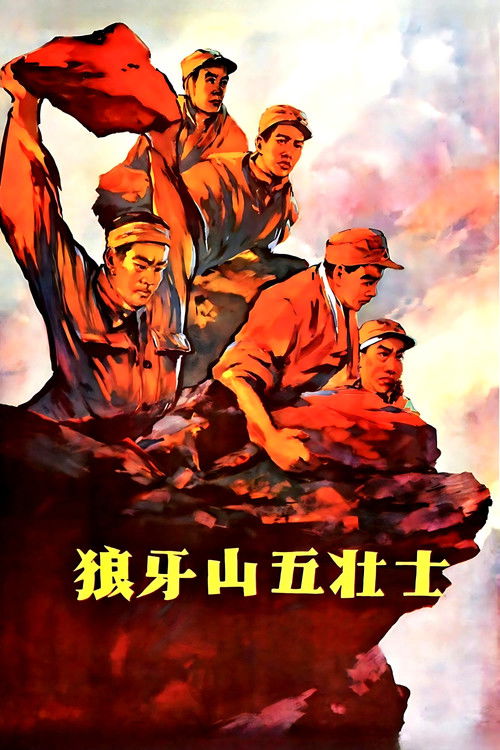
1958
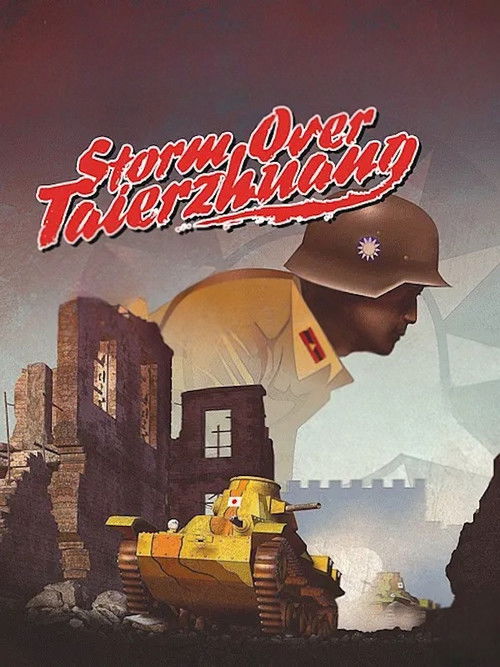
1986
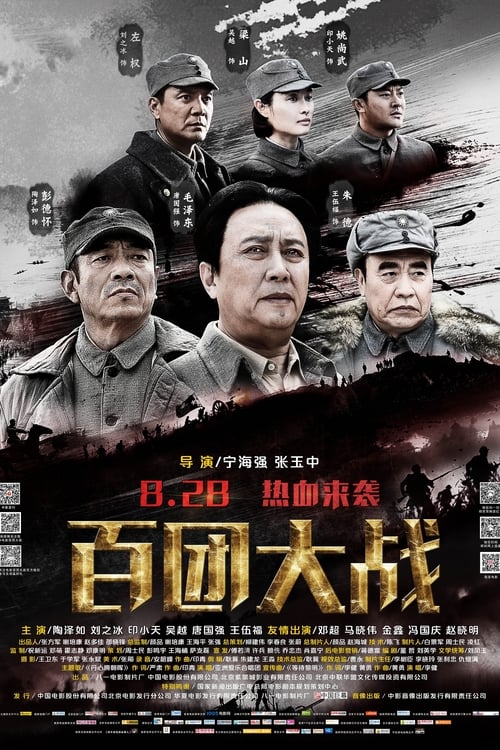
2015
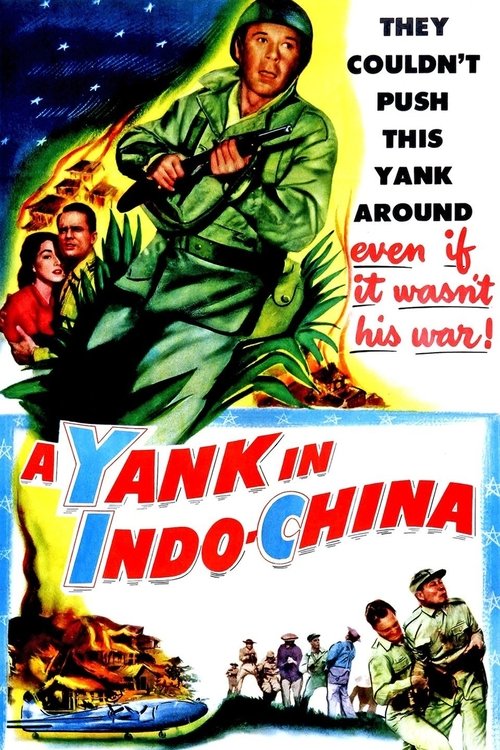
1952
No reviews yet. Be the first to share your thoughts on this movie!
Use the rating form above to leave a star rating and optional review.