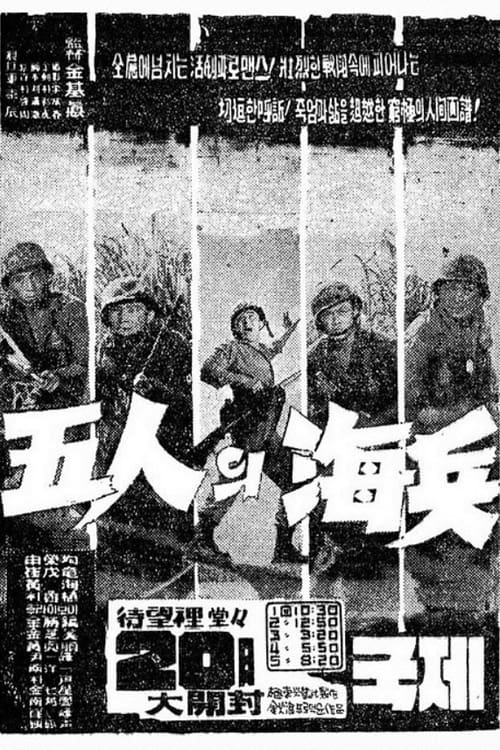
Five Marines
1961
No user ratings available yet
Representation score: 1.4 out of 10
Representation Score
Minimal
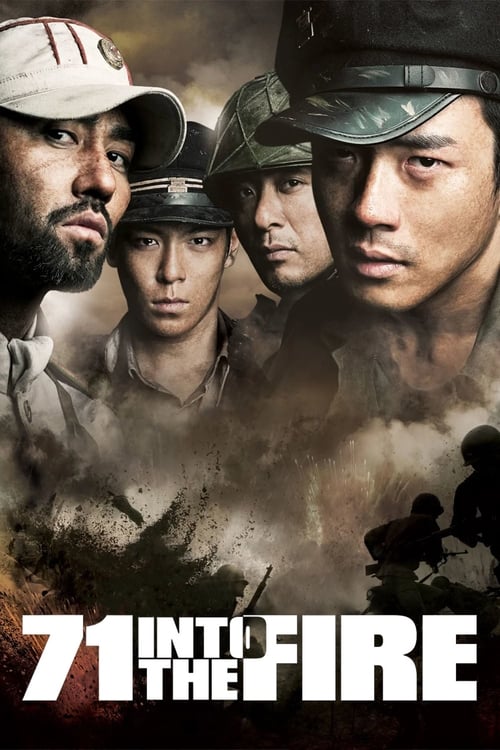
2010
Not RatedDirector
John H. Lee
Runtime
120 minutes
Average Rating
No ratings yetNew Showbiz Analysis
This film is a traditional historical war drama that emphasizes period accuracy and narrative realism over challenging social norms. It adheres to the demographic realities of the 1950s Korean Peninsula. While the film captures the human cost of war, it operates within conventional structures. The narrative is centered around a homogeneous group of male soldiers, limiting opportunities for diverse identities and perspectives. Ultimately, the film serves as an exploration of survival and duty within a specific geopolitical conflict, rather than a platform for examining social or cultural diversity.
Category Breakdown
The film does not include any LGBTQ+ characters or dynamics related to sexual orientation or gender identity. The story stays focused on the military context of the 1950s Korean War.
The story centers almost entirely on male soldiers and traditional masculine roles. Female characters are limited to minor roles and have little influence over the main plot.
The cast is made up of actors representing a single ethnic group, reflecting the demographics of South Korean student-soldiers during the war. While it avoids harmful stereotypes, it lacks diverse ethnic representation.
The film examines the tension between personal identity and state authority through the experiences of soldiers caught in the Cold War. It highlights the tragedy of a divided nation.
The film does not address visible or invisible disabilities. It portrays physical and psychological trauma as a result of combat, without exploring disability through the lens of personal ability to act.
Present on Screen
Limited or Absent
Official Synopsis
In August 1950, waiting for UN troops to arrive, the South Korean army assembled to protect Nakdong River. Only 71 student-soldiers are left behind to guard the city of Pohang. Now they are on a mission to defend the country from North Korean troops.
1961
2002
2016

2011
2019

2020
1955
2004
No reviews yet. Be the first to share your thoughts on this movie!
Use the rating form above to leave a star rating and optional review.