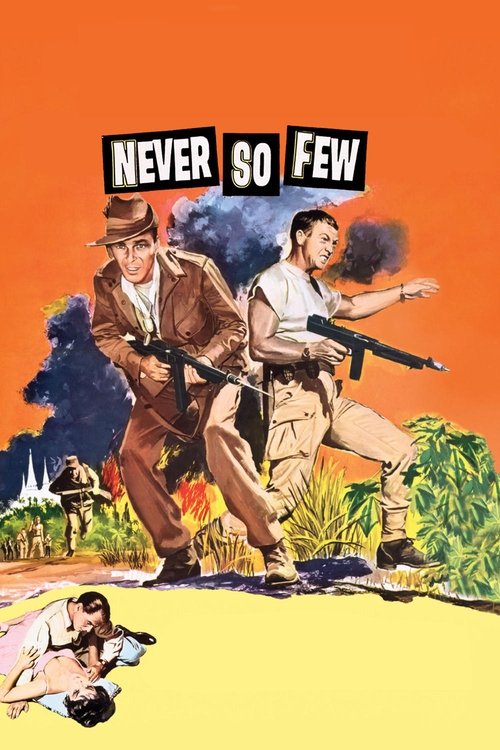
Never So Few
1959
No user ratings available yet
Representation score: 1.0 out of 10
Representation Score
Limited
1952
PassedDirector
Wallace Grissell
Average Rating
No ratings yetNew Showbiz Analysis
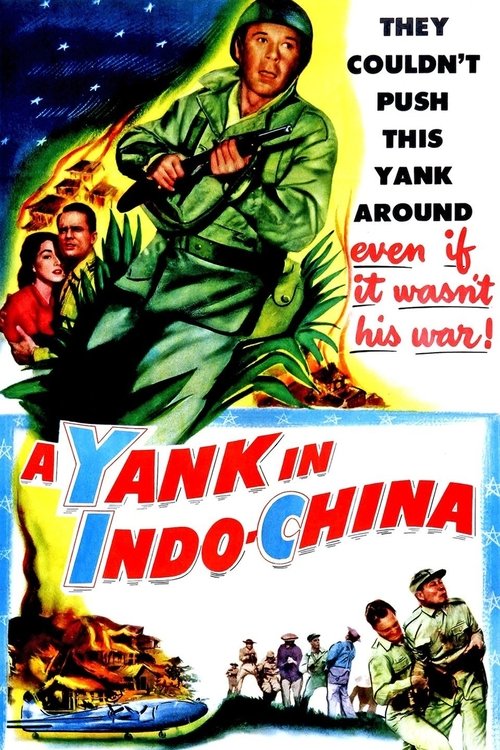
A Yank in Indo-China reflects the conventions of its 1952 era, emphasizing traditional Western values and mid-century cinematic standards. The film operates within a framework that upholds established social hierarchies, particularly masculine authority and geopolitical perspectives of the time. The representation is shaped by what is missing. Characters tend to fit specific genre clichés rather than embody complex identities. The narrative structure reinforces the societal norms of the early 1950s. Overall, the film mirrors the constraints of its period. It relies on conventional gender roles and colonial-era viewpoints, offering limited progressive or nuanced representation.
Category Breakdown
The film does not include any characters with non-straight or non-cisgender identities, nor does it depict any same-sex relationships.
The story focuses on male leadership and combat skills. Female characters are likely confined to supporting or domestic roles that uphold traditional gender hierarchies.
Portrayals of local populations probably reflect the colonial or geopolitical views of the era. Non-Western characters may lack significant roles or detailed character development.
The film highlights patriotism and Western institutions. It aligns with traditional Western values of duty rather than presenting a morally relative perspective.
Injuries serve mainly as a means to create emotional tension. There is no indication of neurodivergent representation or nuanced portrayal of disabilities.
Present on Screen
Limited or Absent
1959
1959
1953
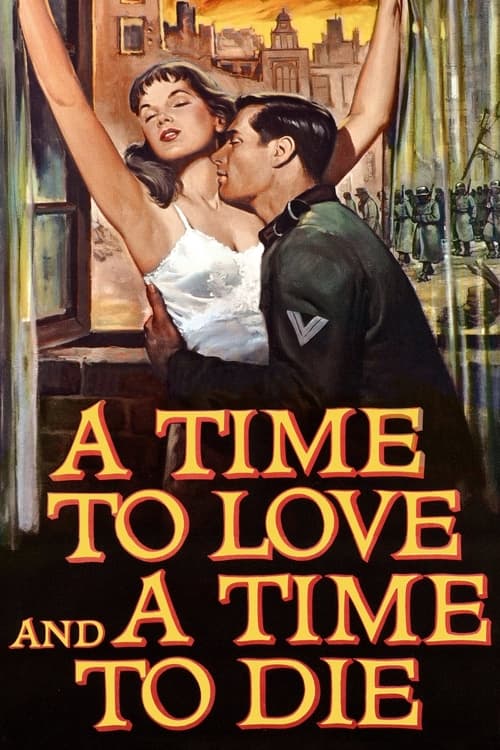
1958
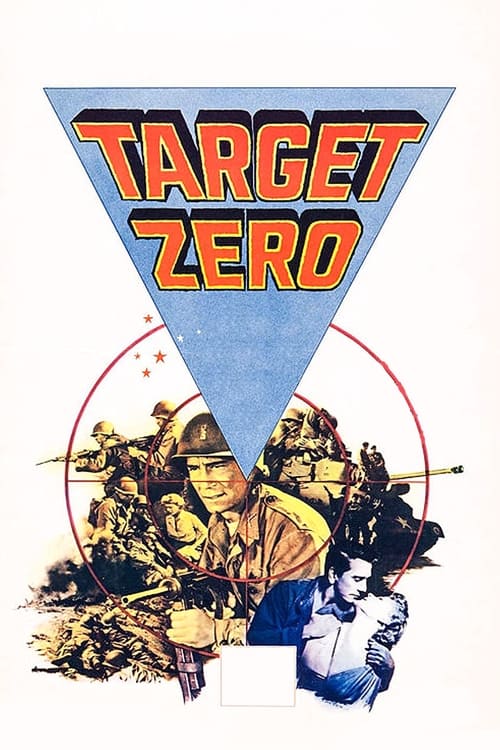
1955
1946
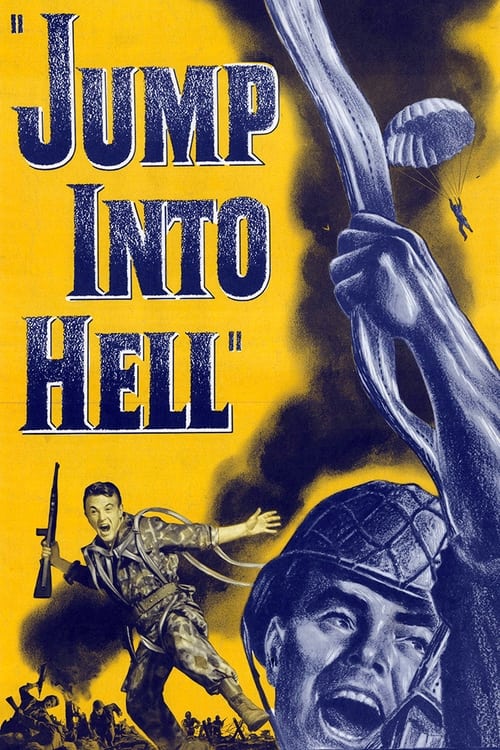
1955
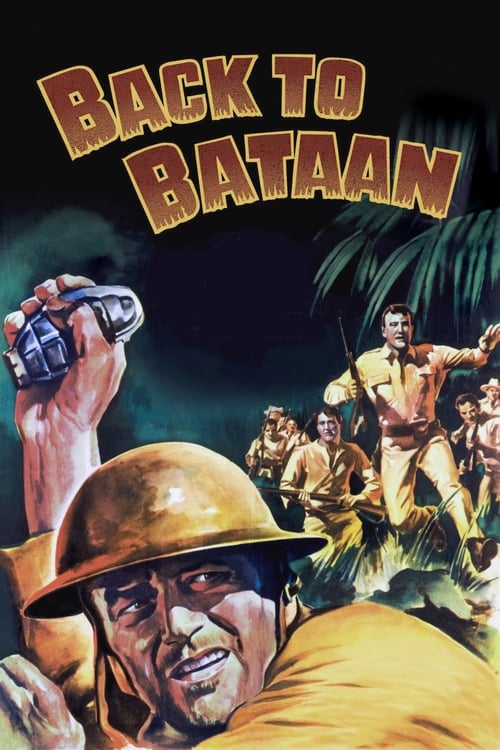
1945
No reviews yet. Be the first to share your thoughts on this movie!
Use the rating form above to leave a star rating and optional review.