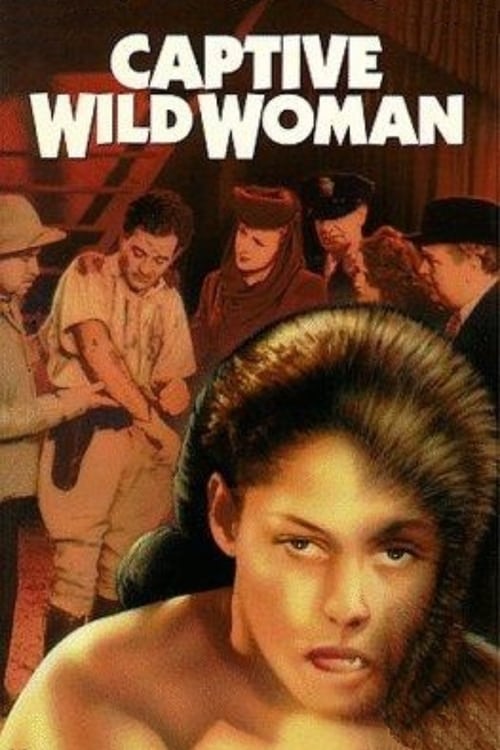
Captive Wild Woman
1943
No user ratings available yet
Representation score: 2.5 out of 10
Representation Score
Limited
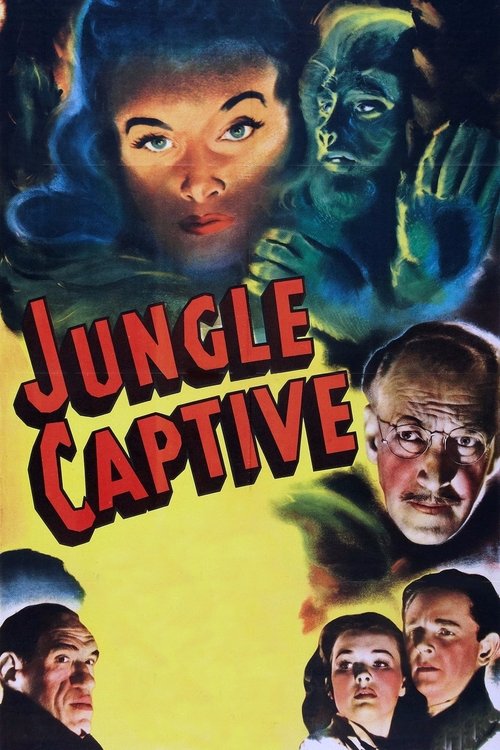
1945
NRDirector
Harold Young
Runtime
63 minutes
Average Rating
No ratings yetNew Showbiz Analysis
The Jungle Captive operates within the restrictive social and representational norms of 1945. The narrative structure prioritizes male control, leaving female and underrepresented characters in roles of utility or villainy. Characters are defined by clichés rather than depth. The film reinforces traditional hierarchies, particularly regarding gender and physical difference, which were common in mid-century pulp cinema. Ultimately, the production lacks diverse casting or subversion of Anglo-centric norms, resulting in a very low diversity profile.
Category Breakdown
The film does not include any LGBTQ+ characters or narratives. The story revolves around traditional, male-dominated archetypes such as a mad doctor and his assistant.
Women are portrayed as passive objects rather than active agents. The nurse's role is mainly to serve as a biological resource for the male characters.
There is no evidence of racial or ethnic diversity. The cast appears homogeneous, following the conventions of mid-century Western genre norms.
The story relies on standard horror clichés like the mad scientist. It does not critique Western institutions or explore diverse moral frameworks.
A disfigured assistant is mentioned, but physical differences are used as a shorthand for villainy. The character lacks nuanced development.
Present on Screen
Limited or Absent
Official Synopsis
Once again Paula the ape woman is brought back to life, this time by a mad doctor and his disfigured assistant, who also kidnaps a nurse in order to have a female blood donor.
1943

1974

1944
1969
1943
1940
1958

1958
No reviews yet. Be the first to share your thoughts on this movie!
Use the rating form above to leave a star rating and optional review.