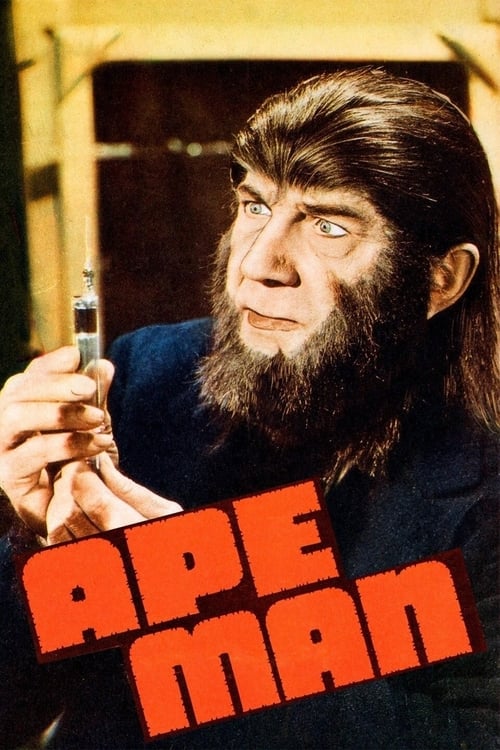
The Ape Man
1943
No user ratings available yet
Representation score: 3.4 out of 10
Representation Score
Limited
1943
ApprovedDirector
Edward Dmytryk
Runtime
61 minutes
Average Rating
No ratings yetNew Showbiz Analysis
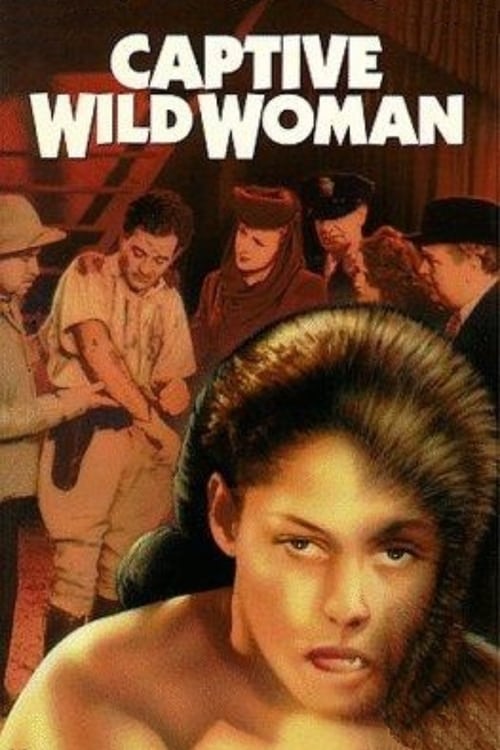
Captive Wild Woman is a product of its time, reflecting the rigid social and cinematic hierarchies of the 1940s. The plot is driven by a singular male perspective, focusing on a scientist's obsession with biological transformation. The film lacks complexity in representing multiple aspects of identity, offering little representation for LGBTQ+ individuals or diverse racial groups. It relies on established genre clichés that prioritize traditional power structures over nuanced character development. Ultimately, the narrative uses biological and mental health themes as mere plot devices. This reinforces conventional social orders rather than challenging them.
Category Breakdown
The film does not include any LGBTQ+ characters or non-assuming gender matches what was assigned at birth identities. It stays within the traditional gender and sexual frameworks of the 1940s studio era.
The story centers around a male scientist's obsession, treating the female subject as an object of experimentation. This reinforces hierarchies where women serve primarily as vessels for male-driven scientific inquiry.
The film does not feature any diverse cast or non-white characters. The narrative focuses on a primate-to-human transformation, adhering to the homogeneous casting standards of the era.
The film uses the 'mad scientist' cliché to explore scientific overreach. It functions as a cautionary tale about disrupting the natural order rather than critiquing systemic oppression.
Insanity serves as a central plot driver for the scientist. Mental health issues are used as character flaws to indicate instability rather than being portrayed with nuanced depth.
Present on Screen
Limited or Absent
Official Synopsis
An insane scientist doing experimentation in glandular research becomes obsessed with transforming a female gorilla into a human...even though it costs human life.
1943
1960
1945
1940
1953

1932
1944
1933
No reviews yet. Be the first to share your thoughts on this movie!
Use the rating form above to leave a star rating and optional review.