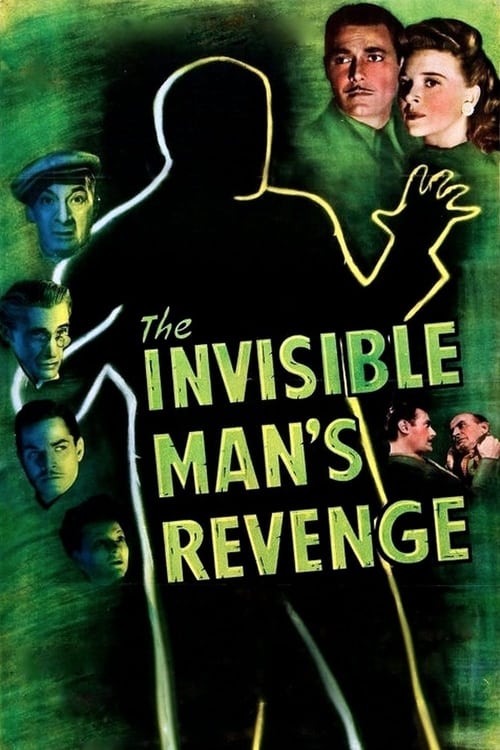
The Invisible Man's Revenge
1944
No user ratings available yet
Representation score: 1.8 out of 10
Representation Score
Limited
1940
ApprovedDirector
Joe May
Runtime
81 minutes
Average Rating
No ratings yetNew Showbiz Analysis
The film adheres to traditional genre conventions, reinforcing social hierarchies of its time. It uses well-known horror elements, such as the descent into madness, to create tension, rather than exploring complex identity or social dynamics. Narratively, the film centers on male-driven scientific and psychological conflicts, which limit the roles of female characters and exclude diverse racial or LGBTQ+ perspectives, resulting in a narrow demographic focus. Ultimately, the work functions as a typical mid-century studio production, prioritizing individual moral consequences over broader systemic issues or characters who reflect more than one aspect of diversity.
Category Breakdown
The film follows traditional structures typical of 1940s cinema, with no depiction of same-sex relationships or non-binary gender identities.
Female characters mainly serve as romantic interests or those in need of rescue, lacking significant control over the story.
The cast is predominantly white, reflecting the homogeneity of the era. There are no characters of color with substantial influence.
The story emphasizes individual morality and personal transgressions, without critiquing broader societal institutions like religion or capitalism.
Disability is portrayed as a supernatural condition rather than explored in depth. Mental instability is used as a horror element rather than a meaningful portrayal of neurodivergence.
Present on Screen
Limited or Absent
Official Synopsis
The owner of a coal mining operation, falsely imprisoned for fratricide, takes a drug to make him invisible, despite its side effect: gradual madness.
1944
1936
1920
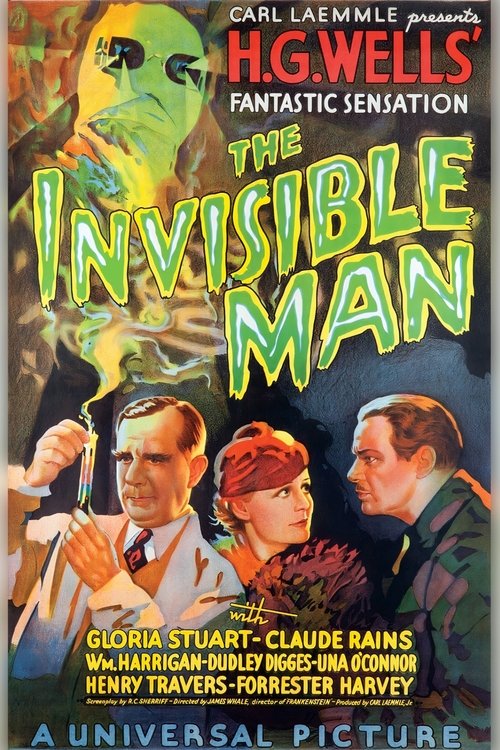
1933
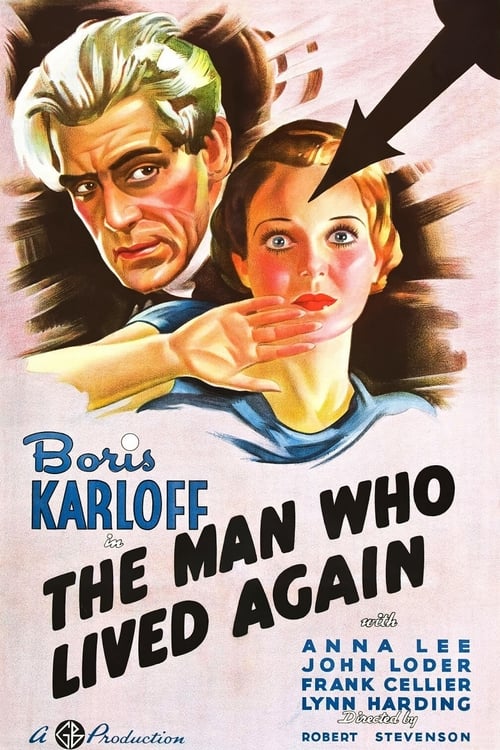
1936
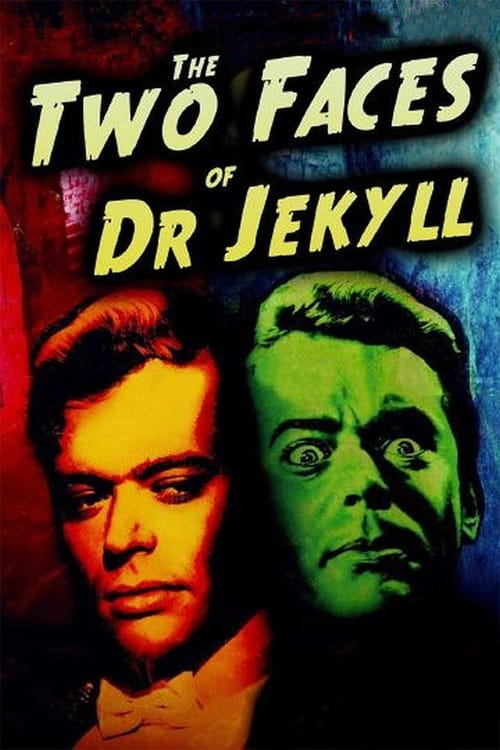
1960
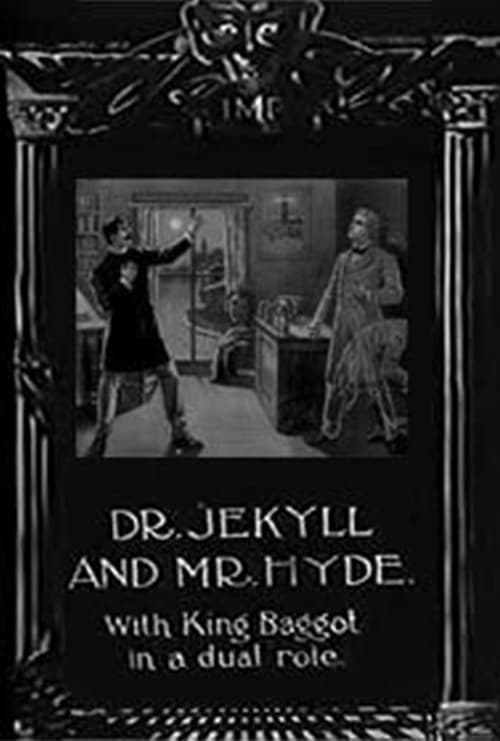
1913
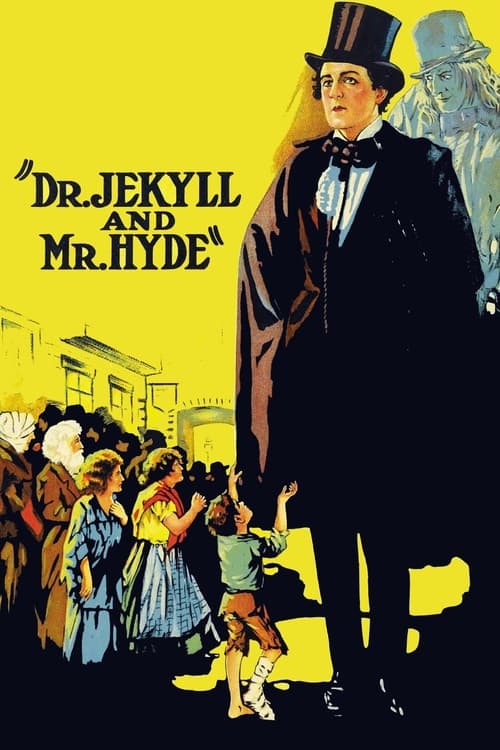
1920
No reviews yet. Be the first to share your thoughts on this movie!
Use the rating form above to leave a star rating and optional review.