
Blood of the Vampire
1958
No user ratings available yet
Representation score: 1.8 out of 10
Representation Score
Minimal
1973
PGDirector
Freddie Francis
Runtime
92 minutes
Average Rating
No ratings yetNew Showbiz Analysis
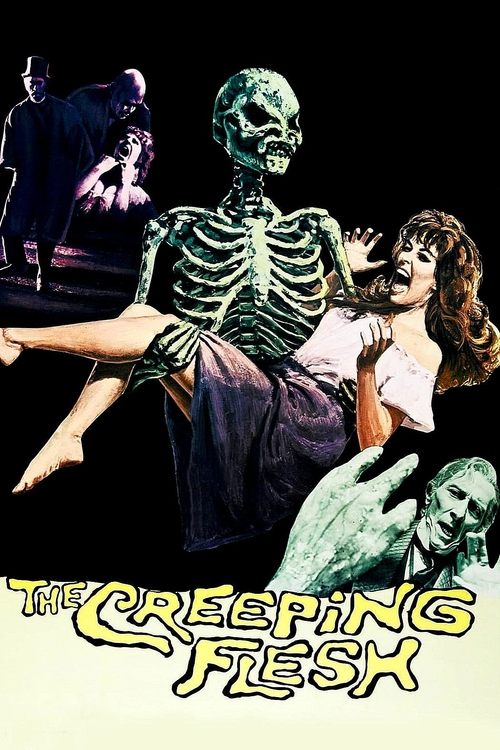
The Creeping Flesh operates as a standard Gothic horror piece that emphasizes atmospheric tension and moralistic storytelling over social subversion. It relies heavily on established 1970s genre conventions, reinforcing traditional hierarchies rather than disrupting them. The film's perspective is deeply rooted in a homogeneous Western worldview. Non-Western elements are used merely as exotic plot devices, failing to provide meaningful representation. Ultimately, the film serves as a cautionary tale of individual obsession. It lacks the intentionality needed to address systemic power, identity, or diverse social perspectives, remaining firmly within the bounds of classical Victorian-era clichés.
Category Breakdown
The film does not feature any visible LGBTQ+ characters or stories. Romantic and emotional themes are limited to a traditional heterosexual relationship between the protagonist and his deceased wife.
Gender roles adhere to strict Victorian norms. The male scientist drives the plot through his active role, while female characters remain passive subjects of his scientific or emotional obsessions.
The cast is predominantly white and European. Although Papua New Guinea is mentioned, it serves only as a plot device for supernatural 'otherness' without offering meaningful representation.
The story upholds a traditional Western moral order. It adheres to classic Gothic clichés regarding natural law and scientific hubris without challenging Western institutions or social structures.
There is no meaningful representation of disability. Themes of bodily integrity and the grotesque are used strictly as horror elements rather than nuanced portrayals of physical or neurodivergent identity.
Present on Screen
Limited or Absent
Official Synopsis
A Victorian scientist returns to London with his paleontological bag-of-bones discovery from Papua New Guinea. Unfortunately, when exposed to water, flesh returns to the bones, unleashing a malevolent entity on the scientist's family and friends.
1958

1969

1982

1974
1965

1960

1964

1989
No reviews yet. Be the first to share your thoughts on this movie!
Use the rating form above to leave a star rating and optional review.