
Fanon
2025
No user ratings available yet
Diversity score: 8.8 out of 10
2024
Director
Rithy Panh
Runtime
113 minutes
Average Rating
No ratings yetSynopsis
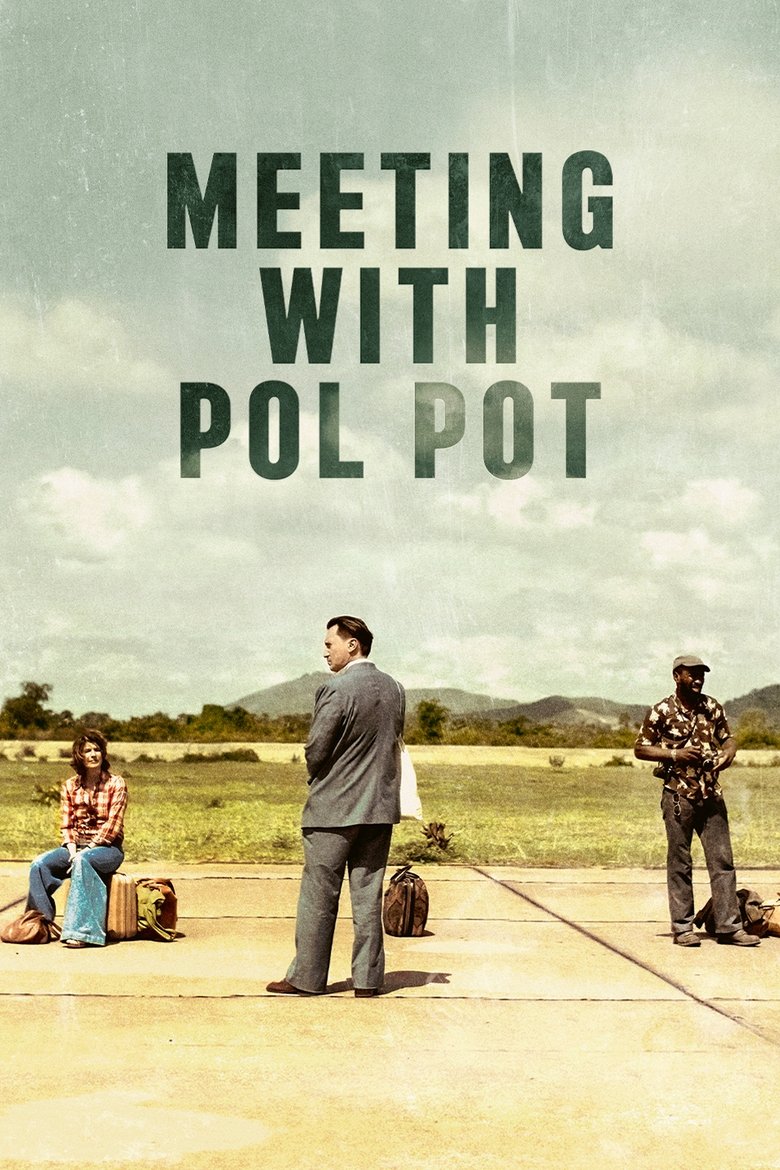
Democratic Kampuchea (Cambodia) - 1978. Three French journalists are invited by the Khmer Rouge to conduct an exclusive interview of the regime's leader, Pol Pot. The country seems ideal. But behind the Potemkin village, the Khmer Rouge regime is declining and the war with Vietnam threatens to invade the country. The regime is looking for culprits, secretly carrying out a large scale genocide. Under the eyes of the journalists, the beautiful picture cracks, revealing the horror. Their journey progressively turns into a nightmare.
Overall Score
Good
Category Breakdown
LGBTQ+ Representation
The film focuses on geopolitical conflict and the mechanics of a genocidal regime. There are no explicit character arcs detailing LGBTQ+ identities provided.
Gender Representation
The narrative disrupts traditional masculine leadership by portraying the Khmer Rouge autocracy as a source of systemic horror. It prioritizes the perspective of outsiders observing a collapsing patriarchal structure.
Racial & Ethnic Diversity
The film centers the Cambodian experience, shifting the gaze away from Western-centric historical perspectives. It uses French journalists to highlight the friction between Western observers and local reality.
Religious & Cultural Diversity
The story deconstructs the utopian promises of extreme ideological constructs. It uses the metaphor of a Potemkin village to expose the corruption of institutionalized, state-driven collectivism.
Disability Representation
The film depicts mass suffering and trauma resulting from genocide. However, there is no evidence of intentional representation of neurodivergence or physical disability as primary character arcs.
Strengths
Areas for Improvement
AI Analysis
Rithy Panh’s work serves as a vital piece of historical deconstruction, challenging the legitimacy of oppressive state institutions. The film succeeds by centering a non-Western tragedy and subverting state-sanctioned myths through a sophisticated narrative architecture. While the film excels in racial and cultural representation, it remains neutral or lacks specific agency regarding LGBTQ+ and disability-specific identities. The focus remains heavily on the systemic horror of the Khmer Rouge regime. Ultimately, the film functions as a powerful critique of radical political movements, using the perspective of foreign journalists to peel back the layers of a deceptive, crumbling autocracy.
2025
2014

1989

1997

2024
2025

2022
1984

1982
2005

2025
2026
No reviews yet. Be the first to share your thoughts on this movie!
Use the rating form above to leave a star rating and optional review.