Fanon
2025
No user ratings available yet
Diversity score: 8.8 out of 10
2025
Director
Marie-Hélène Roux
Runtime
110 minutes
Average Rating
No ratings yetSynopsis
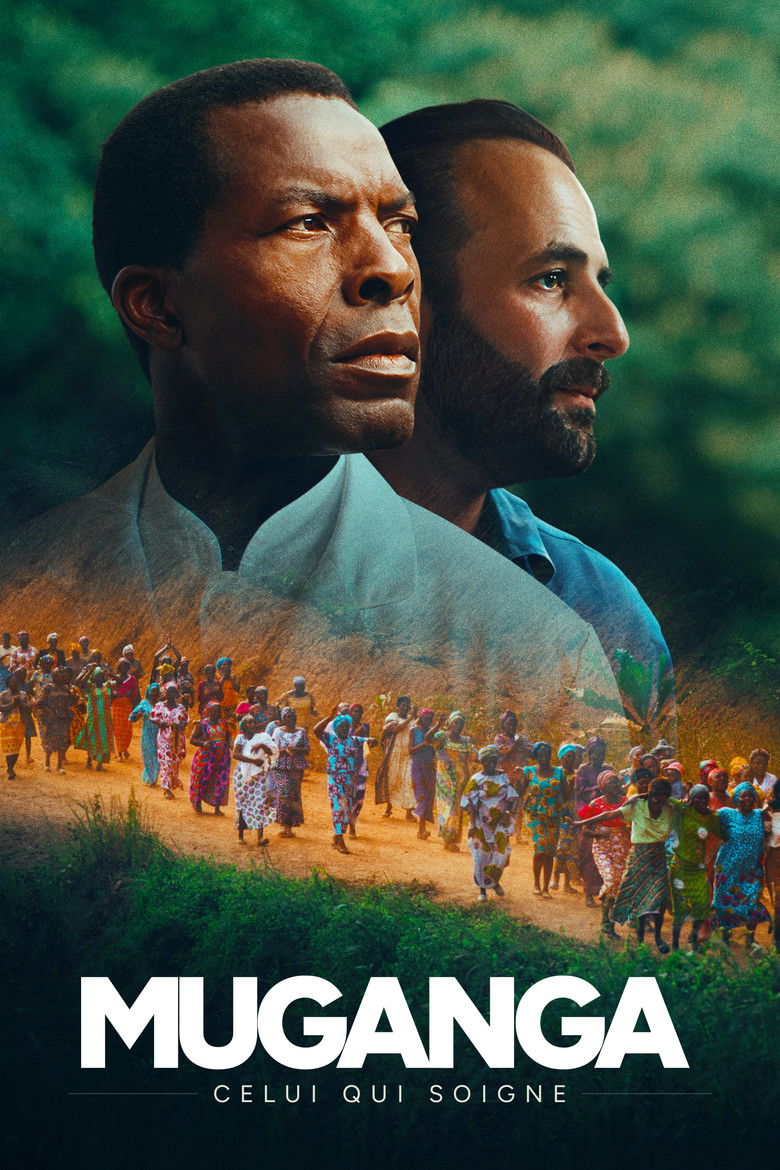
Denis Mukwege, a Congolese doctor, pastor and future Nobel Peace Prize laureate, meets Guy Cadière, a Belgian surgeon and atheist. Despite their differences, they unite for a common purpose: to restore the bodies and dignity of thousands of women who have been used as weapons of war in the eastern Democratic Republic of Congo.
Overall Score
Good
Category Breakdown
LGBTQ+ Representation
The film maintains a neutral stance regarding queer identities. There is no explicit depiction of LGBTQ+ relationships, as the narrative focuses on medical humanitarianism and gender-based violence.
Gender Representation
The story centers on the agency of women surviving systemic violence. By prioritizing the restoration of their dignity, the film subverts patriarchal structures and avoids portraying female victims as passive.
Racial & Ethnic Diversity
The film provides high racial agency by centering a Congolese protagonist. A predominantly Black ensemble ensures the narrative is driven by characters of color rather than a Western-centric lens.
Religious & Cultural Diversity
The pairing of a Congolese pastor and a Belgian atheist explores shared humanitarian purpose over religious dogma. It critiques how geopolitical instability impacts marginalized populations.
Disability Representation
The film examines physical and psychological trauma resulting from war. It focuses on medical intervention and reclaiming personhood rather than relying on tropes of inspiration.
Strengths
Areas for Improvement
AI Analysis
Muganga is a progressive historical drama that successfully disrupts Western-centric storytelling. By centering the intellectual agency of a Black protagonist and the lived experiences of Congolese women, the film achieves a sophisticated, intersectional perspective. The narrative excels in racial and gender representation, moving beyond simple victimhood to highlight feminist activism and restorative justice. The interaction between the Congolese and Belgian protagonists offers a nuanced look at post-colonial dynamics. While the film lacks explicit LGBTQ+ content, it avoids derogatory tropes. The portrayal of trauma is handled with medical rigor, focusing on the reclamation of bodily autonomy rather than superficial depictions of disability.
2025
2016
2025

2025

2025
2012

1981

2017

2010
2021

1950

2021
No reviews yet. Be the first to share your thoughts on this movie!
Use the rating form above to leave a star rating and optional review.