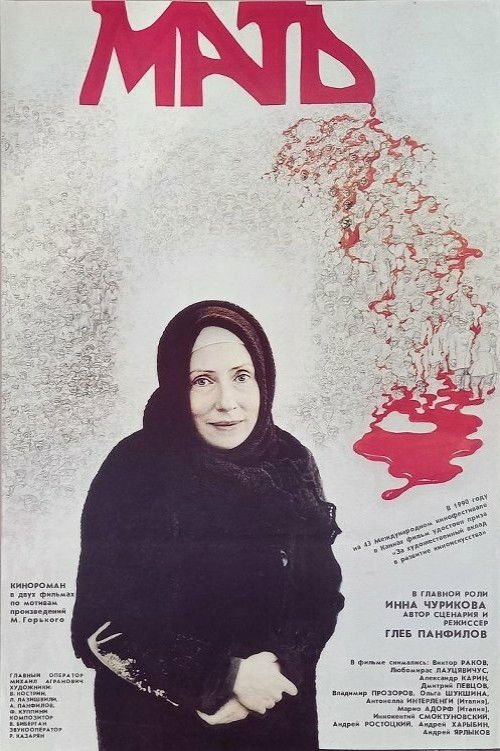
Mother
1990
No user ratings available yet
Representation score: 6.3 out of 10

Representation Score
Excellent
2022
Director
Cyril Schäublin
Runtime
94 minutes
Average Rating
No ratings yetNew Showbiz Analysis
Unrest is a sophisticated look at individual autonomy versus systemic structures. By focusing on female perspectives, the film effectively disrupts traditional cinematic hierarchies and highlights the intellectual ability to act of its protagonists. The work stands out with its diverse ethnic backgrounds and nuanced integration of queer identities into a cohesive critique of modern economic landscapes. This global perspective counters more homogeneous documentary traditions. While the film offers profound insights into psychological landscapes, it does not explicitly focus on visible or neurodivergent disabilities. However, its exploration of mental health and systemic pressures engages with cognitive well-being in an implicit manner.
Category Breakdown
The film incorporates queer experiences as part of diverse identities. These depictions show how identity influences life in a digitally connected yet isolated world.
The story focuses entirely on women's perspectives and roles. It challenges traditional hierarchies by emphasizing the inner lives and psychological journeys of women as key drivers of the plot.
A cast featuring women from various ethnic backgrounds provides a global viewpoint. This approach avoids Western bias by highlighting how different cultures influence modern connectivity.
The film examines capitalist structures and the digital economy's impact on mental health. It explores moral relativism and the tension between youth autonomy and societal norms.
Visible or neurodivergent disabilities are not central to the main storyline. However, the film implicitly addresses invisible disabilities through its exploration of mental health and systemic pressures.
Present on Screen
Limited or Absent
Official Synopsis
New technologies are transforming a 19th-century watchmaking town in Switzerland. Josephine, a young factory worker, produces the unrest wheel, swinging in the heart of the mechanical watch. Exposed to new ways of organizing money, time and labor, she gets involved with the local anarchist movement.
1990

1971

2018
1928

2003

1990

2019

2015
No reviews yet. Be the first to share your thoughts on this movie!
Use the rating form above to leave a star rating and optional review.