
Magic Town
1947
No user ratings available yet
Representation score: 1.8 out of 10
Representation Score
Minimal
1958
NRDirector
Leo McCarey
Runtime
106 minutes
Average Rating
No ratings yetNew Showbiz Analysis
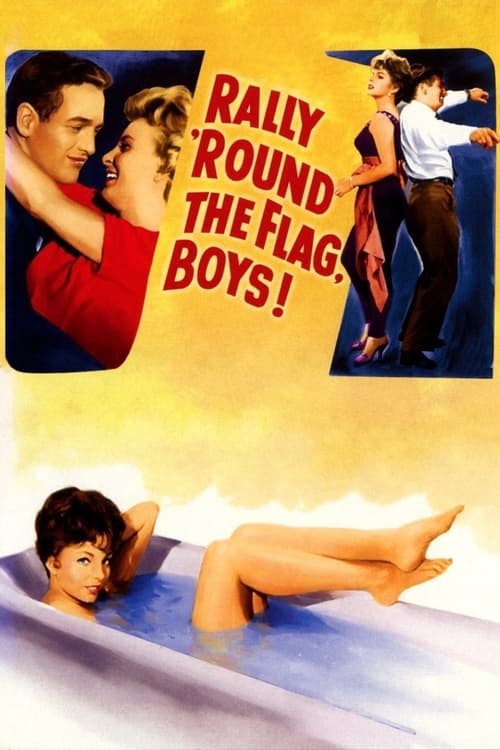
Rally 'Round the Flag, Boys! reflects the social norms of 1950s America. The film emphasizes traditional domestic and community structures, offering little disruption to the established social order. While Grace initiates a protest movement, providing a spark of ability to act, the film’s setting and themes remain deeply conventional. The focus on suburban stability and national defense reinforces a narrow, mid-century worldview. Overall, the film lacks depth in representing diverse aspects of society, presenting a homogeneous view of American life that avoids challenging the status quo of its time.
Category Breakdown
The film adheres to the conventions of the 1950s, where everyone is assumed to be straight or cisgender. There are no LGBTQ+ characters or stories that question traditional social structures.
Grace leads a protest movement against a local missile base, showing strong ability to act. However, the story remains rooted in the domestic spheres of the mid-1950s.
Set in a Connecticut suburb, the film likely reflects the era's predominantly white, middle-class demographics. The narrative focuses on the typical families of the time.
The story centers on American suburban life and national defense, aligning with mid-century patriotism and community interests.
There is no information available about the portrayal of physical or neurodivergent disabilities in this production.
Present on Screen
Limited or Absent
Official Synopsis
Harry Bannerman, a Connecticut suburbanite, becomes involved in various shenanigans when his wife Grace leads a protest movement against a secret army plan to set up a missile base in their community.
1947

1948

1947

1952
1946

1994
1965
1963
No reviews yet. Be the first to share your thoughts on this movie!
Use the rating form above to leave a star rating and optional review.