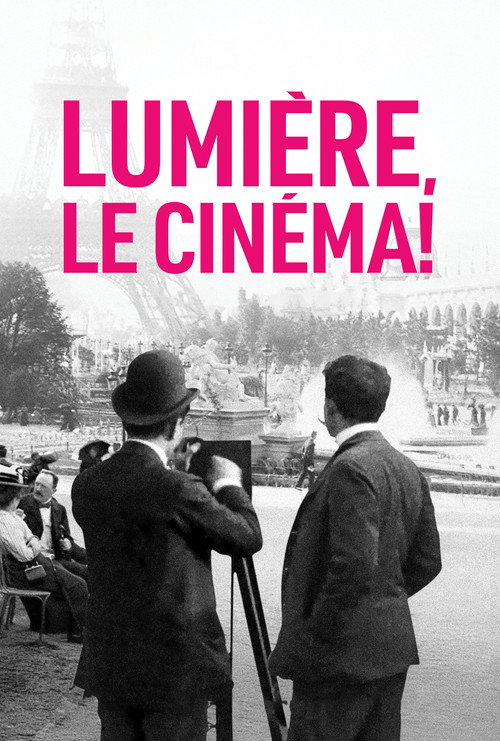
Lumière, Le Cinéma!
2024
No user ratings available yet
Representation score: 5.4 out of 10
Representation Score
Fair
1995
Director
Wim Wenders
Runtime
79 minutes
Average Rating
No ratings yetNew Showbiz Analysis
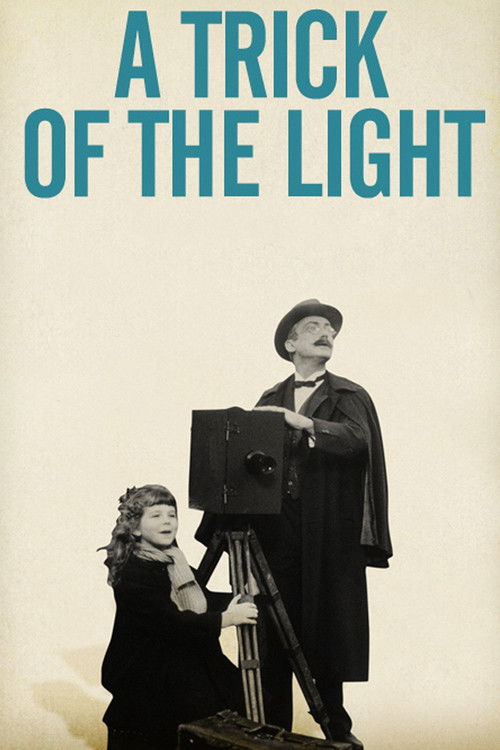
A Trick of the Light is a meditative, postmodern exploration of perception and the subjectivity of reality. It serves primarily as a personal, intellectual study of existence rather than a social or political commentary. The film relies on a traditional, individualistic narrative structure that centers on a male protagonist. This focus results in a lack of diverse character dynamics and multi-layered complexity. While the film excels in its experimental photographic inquiry, it misses opportunities for broader representation across gender, race, and disability, staying within conventional cinematic boundaries.
Category Breakdown
The film does not include explicit LGBTQ+ characters or relationships that challenge the assumption that everyone is straight. The story focuses on the protagonist's internal thoughts and his professional life.
The story revolves around a single male protagonist and follows a traditional, solitary male-driven arc. There is little emphasis on women's roles or ability to act.
The film is set in the American Southwest and features a predominantly white cast. It does not include a diverse range of ethnicities to break the historical or geographic norms of the setting.
The film delves into subjective morality and questions the nature of truth in a postmodern context. It prioritizes intellectual inquiry over religious beliefs but does not offer a broader critique of societal structures.
The film does not feature characters with visible or invisible disabilities. The protagonist's struggles are framed as an existential crisis rather than a portrayal of disability.
Present on Screen
Limited or Absent
Official Synopsis
A rare gem of cinematic storytelling that weaves docudrama, fictional reenactment, and experimental photography into a powerful, reflective work on the early days of German cinema. The film tells the story of the Skladanowsky Brothers, the German-born duo responsible for inventing the "bioskop", an early version of the film projector.
2024
1929
1995
2003
2016
1997
1952
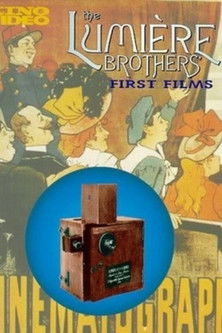
1996
No reviews yet. Be the first to share your thoughts on this movie!
Use the rating form above to leave a star rating and optional review.