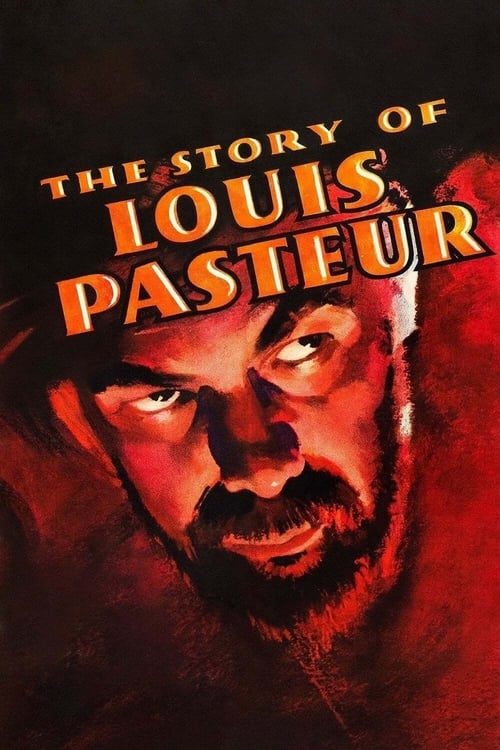
The Story of Louis Pasteur
1936
No user ratings available yet
Representation score: 2.4 out of 10
Representation Score
Minimal
1922
Director
Jean Benoît-Lévy, Jean Epstein
Runtime
54 minutes
Average Rating
No ratings yetNew Showbiz Analysis
This documentary-drama hybrid emphasizes the scientific achievements of Louis Pasteur and the development of microbiology through a Western perspective. It adheres to the social and cinematic conventions of the early 1920s, focusing on traditional hierarchies and Western intellectual accomplishments. While the film is celebrated for its innovative style, it primarily serves to honor scientific progress rather than exploring diverse human experiences.
Category Breakdown
The film focuses solely on the life of Louis Pasteur and does not include any representations of LGBTQ+ identities or relationships.
The narrative focuses entirely on the male protagonist, with women confined to supporting roles within the domestic sphere.
The cast is predominantly white, reflecting the historical European context of the subject without any racial diversity.
The film highlights Western scientific achievements and the success of empirical methods, validating Western academic traditions and medical advancements.
The narrative centers on the fight against diseases and disabilities, treating them as medical challenges rather than lived experiences.
Present on Screen
Limited or Absent
Official Synopsis
Jean Benoît-Lévy & Jean Epstein's inventive documentary about the life of Louis Pasteur, a French chemist and one of the most important figures of medical microbiology, blends biographical drama with scientific recreations of his experiments, using Pasteur's actual instruments.
1936

2018
1956
1897
1997
1947
1994
1938
No reviews yet. Be the first to share your thoughts on this movie!
Use the rating form above to leave a star rating and optional review.